
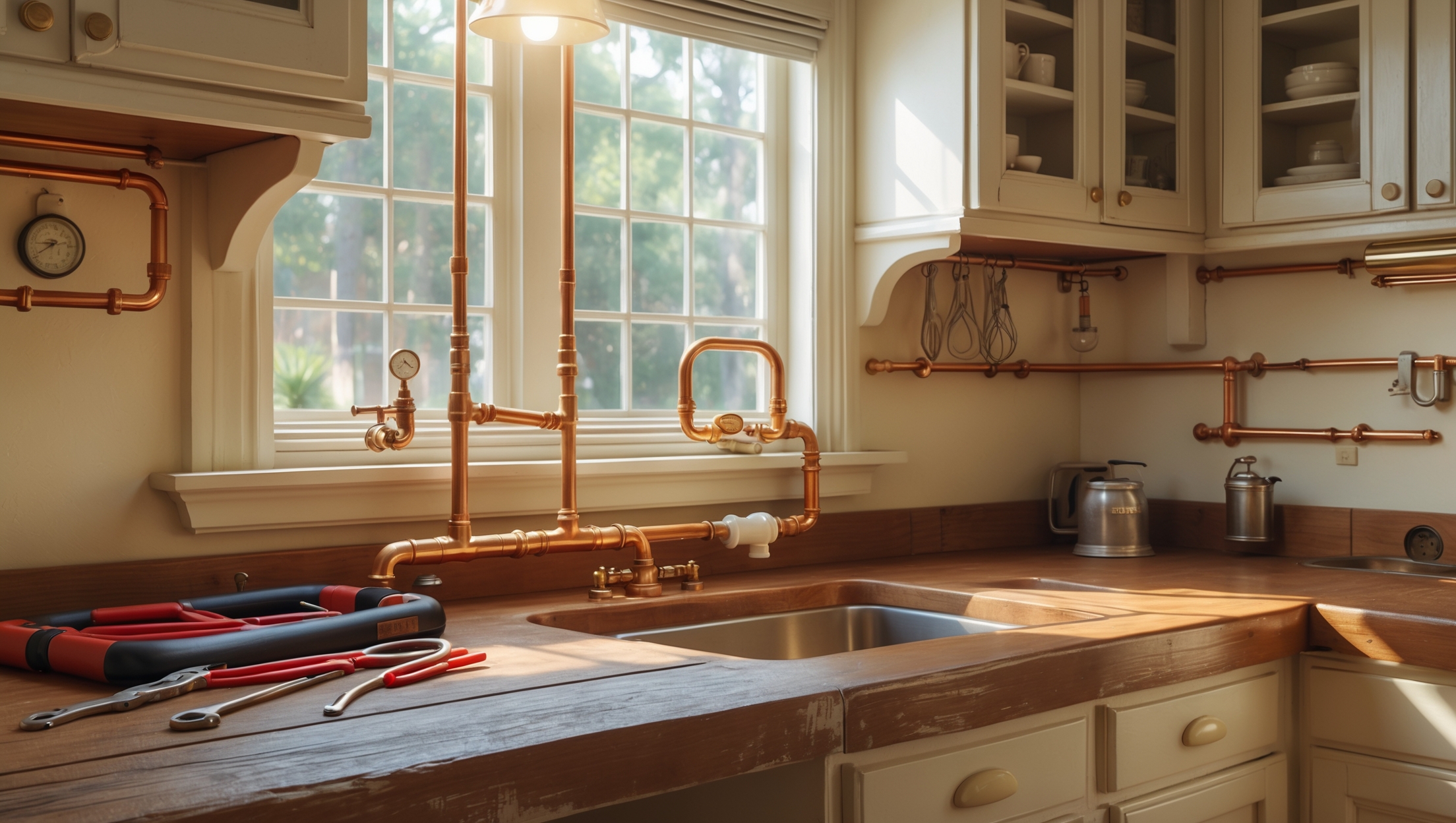
Introduction: Why Plumbing Matters in Southeast Seminole Heights
Southeast Seminole Heights is renowned for its charming bungalows, historic homes, and unique local character. But beneath the surface of these beloved properties lies a challenge that every homeowner must eventually confront: plumbing. Whether you’re living in a 1920s craftsman or a mid-century ranch, plumbing systems in this area face particular stresses—aging pipes, shifting soils, fluctuating water pressure, and local water quality quirks. Ignoring these realities can lead to leaks, water damage, mold, and unexpected repair bills. Understanding the most common plumbing pitfalls in Southeast Seminole Heights, and how to prevent or fix them, is essential for every resident—whether you’re a hands-on DIYer, new homeowner, or planning your next renovation. This comprehensive guide dives deep into the specific plumbing issues found in our neighborhood, practical strategies to avoid costly mistakes, and expert maintenance advice tailored to our local environment. Let’s ensure your home’s plumbing stays reliable, efficient, and worry-free for years to come.
Understanding Southeast Seminole Heights’ Plumbing Landscape
The Age Factor: Old Pipes, New Problems
Many homes in Southeast Seminole Heights were built before modern plumbing codes existed. That means galvanized steel, cast iron, or even clay pipes remain in service today. These materials are prone to corrosion, scaling, and root intrusion. Unlike modern PVC or PEX, aging pipes are brittle and can fail without warning. Homeowners often underestimate just how vulnerable these old systems are to leaks and blockages.
- Galvanized Steel: Prone to rust, narrowing water flow, and internal flaking.
- Cast Iron: Durable but susceptible to corrosion, especially at joints.
- Clay: Used in sewer lines; highly vulnerable to root invasion and cracking.
Local Water Quality Issues
The Tampa Bay area, including Southeast Seminole Heights, has moderately hard water. This means minerals like calcium and magnesium build up in pipes and appliances over time, reducing efficiency and increasing the risk of clogs. Chlorine and other treatment chemicals can also accelerate rubber gasket wear and corrode certain metals. Understanding the composition of your water helps you select the right materials and treatments for your plumbing system.
Soil and Foundation Movement
Southeast Seminole Heights sits on mixed soils that expand and contract with Florida’s rainy season and droughts. This movement stresses underground pipes, causing misalignments, cracks, or even full breaks. Regular monitoring of your water bills for unexplained increases can help detect hidden leaks early.
Common Plumbing Pitfalls—and How to Avoid Them
1. Ignoring Small Leaks
Slow drips under the sink, behind walls, or at hose bibs may seem minor but can cause major water damage, wood rot, and mold. In our humid climate, even a small leak can create an ideal environment for mildew growth.
- Action: Check under sinks, around toilets, and behind appliances monthly. Use a flashlight to spot dampness or corrosion.
- Pro Tip: Install smart leak detectors in areas prone to water damage—these can alert you to issues even if you’re away.
2. Flushing the Wrong Items
Older plumbing and sewer lines in the neighborhood are easily blocked by items that shouldn’t go down the drain. “Flushable” wipes, feminine hygiene products, and kitchen grease are common culprits.
- Action: Post a simple reminder in bathrooms and kitchens for residents and guests about what not to flush or pour down the drain.
- Pro Tip: Use mesh sink strainers to catch hair and debris before they enter the pipes.
3. Over-Tightening Fittings
It’s tempting to crank down pipe connections to prevent leaks, but over-tightening can crack fragile old pipes or strip threads, leading to even bigger problems.
- Action: Use manufacturer torque guidelines and avoid excessive force, especially on vintage fixtures.
- Pro Tip: Upgrade to modern compression fittings where possible for a better seal without risk of overtightening.
4. Neglecting Annual Water Heater Maintenance
Mineral-rich local water accelerates sediment build-up in water heaters, reducing efficiency and lifespan.
- Action: Drain and flush your water heater at least once per year. Inspect for signs of rust or leaks around the base.
- Pro Tip: Consider installing a whole-home water softener if you notice rapid scaling or reduced appliance life.
5. DIY Repairs Without Proper Tools or Knowledge
Attempting to fix a complex leak or blockage with makeshift tools often leads to further damage, especially in older homes with delicate pipes.
- Action: Know your limits. Tackle small jobs like replacing washers, but call a local licensed plumber for anything involving pipe replacement, gas lines, or major appliances.
- Pro Tip: Keep a basic plumbing toolkit (see the section below) and a list of trusted local plumbers handy for emergencies.
Essential Tools for Everyday Plumbing Maintenance
- Adjustable wrench
- Channel-lock pliers
- Toilet auger
- Plumber’s tape (Teflon tape)
- Pipe cutter (for copper or PVC)
- Flashlight or headlamp
- Bucket and towels
- Replacement washers and O-rings
- Plunger (cup and flange types)
Having these on hand allows you to address minor issues before they escalate.
Local Code Considerations and Permit Traps
Understanding Tampa’s Plumbing Requirements
Many Southeast Seminole Heights homes fall under historic preservation guidelines, which can complicate plumbing upgrades. For most work involving moving pipes, sewer connections, or replacing water heaters, the City of Tampa requires permits and inspections.
- Trap: Unpermitted plumbing work can result in fines and trouble selling your home.
- Solution: Always consult the City of Tampa’s Building Services or a licensed local plumber before starting any major project.
Lead and Asbestos Hazards
Pre-1986 homes may have lead solder or pipes, and some pipe insulation may contain asbestos. Disturbing these materials without proper precautions poses health risks.
- Action: Test for lead and asbestos before cutting or removing old pipes. Hire certified professionals for remediation if needed.
Preventive Maintenance Checklist for Southeast Seminole Heights Homes
- Inspect visible pipes and valves quarterly for corrosion, leaks, or sweating.
- Flush water heater annually to remove sediment.
- Test water pressure (ideal: 40–60 psi); high pressure strains old pipes.
- Snake slow drains with a hand auger—avoid chemical drain cleaners, which can ruin old pipes.
- Trim trees and roots near sewer lines every 6–12 months.
- Replace rubber supply hoses on washing machines and dishwashers every 3–5 years.
- Check shutoff valves for smooth operation (they can seize with age).
- Monitor your water bill for sudden usage spikes.
Choosing the Right Materials for Local Conditions
When upgrading or repairing plumbing, material choice matters. Here’s what works best in Southeast Seminole Heights:
- PEX: Flexible, resistant to mineral buildup, and great for retrofits in tight spaces.
- PVC/CPVC: Good for drain lines and water supply (check local code for hot water compatibility).
- Copper: Long-lasting but can be susceptible to pinhole leaks in areas with high chlorine.
Always use lead-free solder and certified fittings. For sewer lines, consider trenchless repair options to minimize yard disruption in established neighborhoods.
When to Call a Professional—and How to Choose One
Signs You Need Expert Help
- Water stains or bulging paint on walls/ceilings
- Persistent low pressure in multiple fixtures
- Sewage odors indoors or in the yard
- Multiple slow drains simultaneously
- Visible mold growth near plumbing lines
Selecting a Southeast Seminole Heights Plumber
- Look for Florida-licensed, insured plumbers with experience in historic homes.
- Ask about familiarity with City of Tampa codes and permitting.
- Check reviews and request local references.
- Get written estimates and clarify scope before work begins.
Building a relationship with a trusted local plumber ensures you get fast, reliable help when it matters most.
Case Study: Restoring Plumbing in a 1928 Bungalow
When the Morales family bought their Southeast Seminole Heights bungalow, they knew the charm came with quirks. Within months, they noticed low water pressure and occasional leaks under the kitchen sink. A video inspection revealed corroded galvanized pipes and tree roots invading the clay sewer line.
Working with a local plumber familiar with historic homes, they:
- Replaced old supply lines with PEX, minimizing wall damage.
- Used trenchless technology to reline the sewer line, preserving landscaping.
- Installed a sediment filter to protect appliances from hard water deposits.
- Added smart leak sensors in vulnerable areas.
The result: improved water flow, lower risk of leaks, and peace of mind—without compromising the home’s historic charm.
Debunking Plumbing Myths in Southeast Seminole Heights
- Myth: “If it drains, it’s fine.”
Fact: Slow drains often indicate buildup or partial blockages that can quickly worsen. - Myth: “Chemical drain cleaners are safe for old pipes.”
Fact: They can corrode or damage aging metal and even some plastics. - Myth: “All plumbers are the same.”
Fact: Historic homes require special knowledge; inexperienced plumbers may overlook key issues.
Conclusion: Keeping Your Southeast Seminole Heights Plumbing Problem-Free
Plumbing may not be the most glamorous part of homeownership, but in Southeast Seminole Heights, it’s crucial for preserving both comfort and property value. The area’s historic homes and unique environmental conditions create specific challenges that require more than generic solutions. By understanding the vulnerabilities of older pipes, respecting local building codes, and investing in preventive maintenance, you can avoid the most common and costly plumbing problems. Don’t ignore small leaks or warning signs; address them early to prevent bigger headaches down the road. When in doubt, consult with a local, licensed plumber who understands the intricacies of our neighborhood’s historic infrastructure. Smart choices today will keep your plumbing running smoothly and your home safe for years to come. Whether you’re restoring a century-old bungalow or maintaining a newer home, these proactive steps will help you enjoy the unique character of Southeast Seminole Heights—without unwelcome plumbing surprises. Take action now, and your pipes (and your wallet) will thank you.