
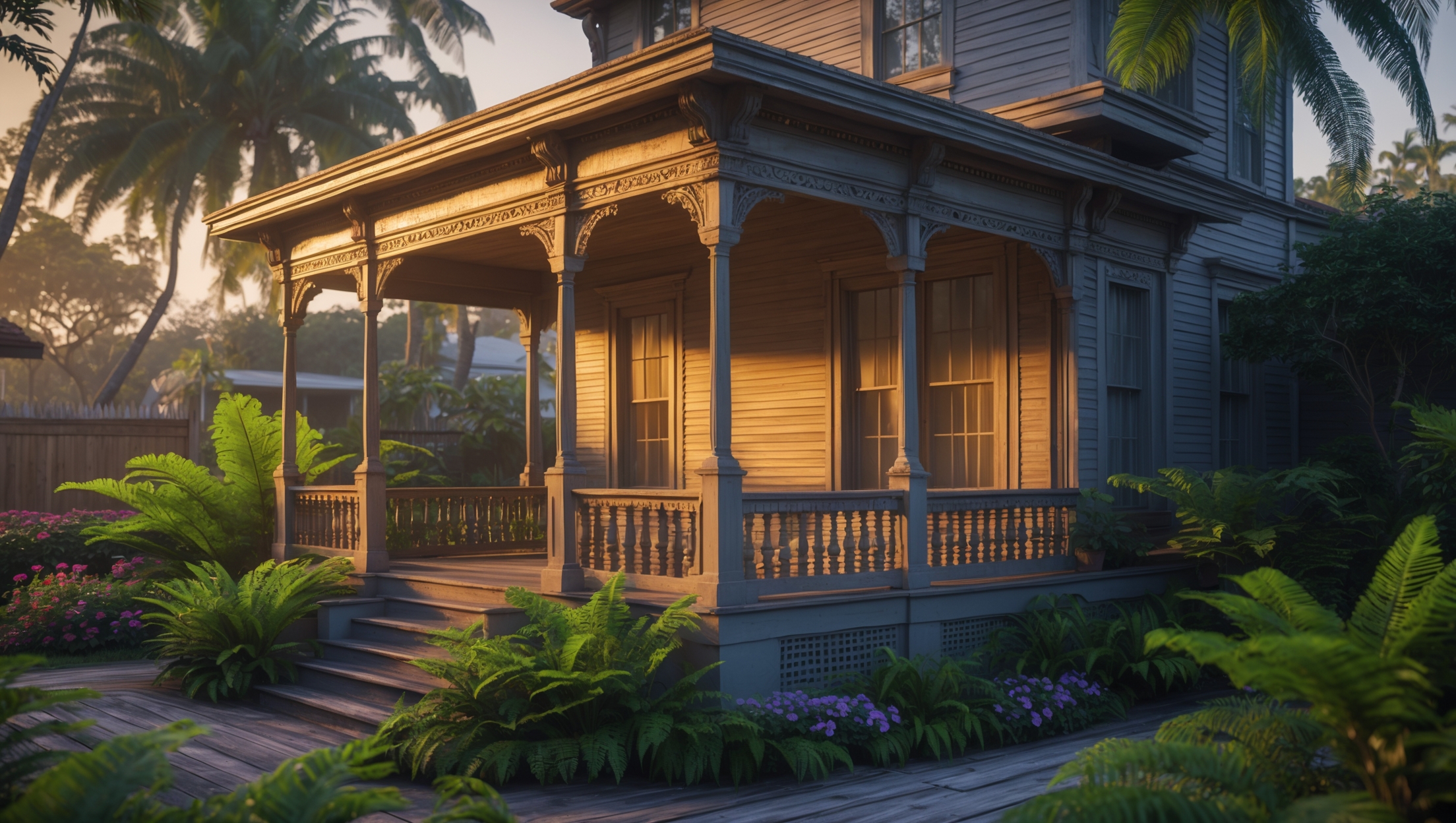
Introduction: Why Historic Porch Repairs Matter in Southeast Seminole Heights
Southeast Seminole Heights is celebrated for its inviting bungalows, craftsman homes, and lush tree-lined streets. At the heart of many of these homes stands a porch—often the first thing neighbors and visitors notice. These porches are more than architectural features; they’re gathering spaces, architectural time capsules, and crucial contributors to the unique character of the neighborhood. Yet, decades of Florida sun, humidity, and storms can take a toll, leaving many porches in need of thoughtful repair or restoration.
Repairing a historic porch in Southeast Seminole Heights isn’t just about fixing boards or swapping out columns. It’s about balancing preservation with practicality, navigating local regulations, and making choices that honor the past while ensuring safety and longevity. In this comprehensive guide, we’ll walk through every step of the process—from understanding compliance requirements and budgeting realistically, to sourcing period-appropriate materials and using best practices for repairs. Whether you’re planning a DIY refresh or coordinating with a local contractor, you’ll find actionable advice tailored specifically to the unique challenges and opportunities of Southeast Seminole Heights. Let’s ensure your porch remains a welcoming, enduring feature for years to come.
Understanding Compliance: Navigating Local Codes and Historic Guidelines
Historic Districts and Design Review
Many homes in Southeast Seminole Heights fall within designated historic districts or overlays. This means that porch repairs—especially if they involve structural or visual changes—may require approval from the City of Tampa’s Architectural Review Commission (ARC) or local preservation boards. Before you buy lumber or schedule a contractor, you’ll need to determine:
- Historic Status: Is your home individually listed or located in a designated historic district?
- Permit Requirements: What level of work triggers the need for permits or design review? Typically, repairs in-kind (replacing materials with identical ones) are less regulated, while alterations (changing railings, columns, or floor patterns) may require more scrutiny.
- Submission Process: Applications usually require detailed plans, materials lists, and sometimes historic photographs.
Key Local Code Considerations
- Railing Height and Spacing: Tampa’s building code often requires porch railings to be at least 36″ high, with balusters no more than 4″ apart. Historic homes may have existing features that don’t meet current code, so consult the city about exceptions for preservation purposes.
- Column and Post Standards: Replacement posts must match the original in size, shape, and material whenever possible.
- Paint and Finishes: Some districts restrict color palettes. Check local guidelines before repainting.
Working with Inspectors and Review Boards
Early communication is crucial. Submit clear documentation, including photographs, sketches, and material samples. If your plans differ from the original design, be prepared to justify your choices with evidence (e.g., period catalogs or neighbor examples). Patience and thoroughness here prevent costly setbacks later.
Cost Breakdown: Budgeting for a Historic Porch Repair
Typical Cost Factors
Porch repair costs in Southeast Seminole Heights can vary widely, depending on the scope of work, materials used, and whether you hire professionals or tackle it yourself. Key factors include:
- Material Costs: Heart pine, cypress, and other period-appropriate woods are often more expensive than modern substitutes.
- Labor: Skilled carpenters with historic restoration experience command higher rates—expect $45–$80 per hour locally.
- Permits and Fees: Design review and building permits may add $200–$1,000, depending on project complexity.
- Demolition and Disposal: Removing rotted wood and old finishes safely (especially if lead paint is present) adds time and cost.
- Finishing: High-quality exterior paints and stains designed for Florida’s climate range from $40–$100 per gallon.
Sample Budget for a 120 sq. ft. Porch Repair
- Demolition & disposal: $400
- Lumber (heart pine/cypress): $1,000
- Carpentry labor: $2,000
- Permits & design review: $350
- Paints & finishes: $300
- Hardware (fasteners, brackets, etc.): $150
- Total Estimated: $4,200
DIYers can save significantly on labor but should factor in the cost of specialty tools, safety equipment, and extra time for learning curves.
Material Selection: Matching Original Character and Florida Climate
Wood Choices: Period Accuracy and Durability
Authenticity is key for historic porches. The most common original materials in Southeast Seminole Heights are:
- Heart Pine: Dense, rot-resistant, and historically accurate for floorboards and trim. New heart pine is expensive; reclaimed sources are a good option.
- Cypress: Naturally resistant to moisture and insects, making it ideal for posts and railings.
- Oak or Douglas Fir: Sometimes used for structural supports but less common in porch floors.
If budget or availability is an issue, modern alternatives like pressure-treated pine can be used in hidden structural areas, but visible surfaces should match the original as closely as possible.
Fasteners, Hardware, and Coatings
- Stainless Steel or Hot-Dipped Galvanized Fasteners: Essential to prevent rust and staining in humid conditions.
- Authentic Hardware: Reproduction period-appropriate brackets, balusters, and trim are available from specialty suppliers.
- High-Quality Paints: Choose breathable, UV-resistant exterior paints in a historically appropriate palette. Oil-based primers are still preferred for sealing old wood.
Step-by-Step Porch Repair Process
1. Inspection and Documentation
Start with a thorough inspection:
- Check for soft spots, rot, insect damage, loose boards, and rusted fasteners.
- Photograph every area needing repair. Detailed photos support permit applications and guide your work.
- Note original details—molding profiles, spindle shapes, flooring patterns.
2. Removing Damaged Materials
- Carefully remove rotted or damaged boards using pry bars and oscillating tools. Try to minimize disturbance to surrounding original wood.
- If lead paint is present (common in pre-1978 homes), follow EPA lead-safe practices: wear a respirator, use plastic sheeting, and dispose of debris properly.
3. Structural Repairs
- Replace or sister joists as needed using pressure-treated lumber to resist ground moisture.
- Install new blocking or supports under areas prone to sagging.
4. Floorboard and Trim Replacement
- Lay new floorboards perpendicular to the house, matching the width and thickness of the originals.
- Secure boards with stainless steel or galvanized fasteners driven at an angle to minimize visible nail heads.
- Replace or replicate original trim and moldings using custom-milled pieces if necessary.
5. Railing and Column Restoration
- Repair rather than replace columns whenever possible. Epoxy consolidants can restore minor rot.
- If full replacement is needed, match the shape and scale exactly. Use cypress or a suitable substitute.
- Replace balusters with new ones turned to the original profile, or repair with wood filler and sanding.
6. Painting and Finishing
- Prime all new wood with a high-quality oil-based primer.
- Apply two coats of exterior paint, allowing adequate drying time in humid conditions.
- Use a semi-gloss finish for easier cleaning and moisture resistance.
7. Final Inspection and Clean-Up
- Schedule any required inspections with city officials.
- Clean up thoroughly, removing debris and protecting landscaping.
Preservation Best Practices for Lasting Results
Moisture Management
- Ensure gutters and downspouts direct water away from porch foundations.
- Install lattice skirting with adequate ventilation underneath to prevent trapped moisture.
- Keep vegetation trimmed back from the porch perimeter.
Regular Maintenance Schedule
- Inspect annually for peeling paint, soft spots, or loose fasteners—especially after summer storms.
- Repaint high-traffic surfaces every 3–5 years; touch up as needed in between.
- Clean floorboards regularly to prevent mildew buildup.
Pest Prevention
- Seal gaps between porch and foundation to block termites and carpenter ants.
- Consider periodic professional inspections for early signs of infestation.
Document Every Repair
Keep a log of repairs, including photos and receipts. This supports future compliance, insurance claims, and even resale value by proving proper stewardship of your historic home.
Case Study: A 1925 Bungalow Porch Restoration
The owners of a 1925 craftsman bungalow on E. Frierson Avenue faced a sagging porch with water-damaged columns and mismatched mid-century railings. Here’s how they approached the project:
- Documentation: They located a 1940s photo showing the original balustrade pattern, which they submitted with their ARC application.
- Material Sourcing: Reclaimed heart pine was salvaged from a local demolition for the floorboards; cypress was used for new columns turned to match the original profile.
- Compliance: Close coordination with the ARC allowed a modern, code-compliant handrail to be hidden behind the historic balusters, preserving aesthetics while meeting safety standards.
- Finishing: A custom-mixed historic green paint, approved by the ARC, brought the porch back to life and improved curb appeal.
The result was a structurally sound, visually authentic porch that honors the home’s history and meets today’s safety codes.
Conclusion: Bringing Your Porch Back to Life in Southeast Seminole Heights
Historic porch repairs are a rewarding investment in both your home’s value and the neighborhood’s character. Tackling these projects in Southeast Seminole Heights means more than just swapping out old boards—it’s about respecting the unique heritage of your home and your community. By understanding local compliance requirements, budgeting carefully, and choosing the right materials and techniques, you’ll ensure your porch stands strong against Florida’s demanding climate while maintaining its original charm.
Remember, preservation isn’t about freezing your home in time. It’s about making thoughtful choices that allow your porch to function as a safe, beautiful space for years to come. Every successful repair—whether it’s a simple floorboard replacement or a full-column restoration—contributes to the collective story of Southeast Seminole Heights. By documenting your work and staying proactive with maintenance, you’ll leave a legacy that future homeowners can appreciate and build upon.
If you’re unsure about any aspect of the process, don’t hesitate to consult with local experts, preservationists, or the City of Tampa’s historic review staff. Their guidance can help you avoid costly mistakes and achieve results you’ll be proud of. So roll up your sleeves and let your porch continue to welcome family, friends, and neighbors for generations to come.
I’m curious about budgeting for a historic porch repair in Southeast Seminole Heights. Are there any typical cost ranges for compliance-related expenses, like permits and reviews, that homeowners should factor in from the start?
Homeowners in Southeast Seminole Heights should typically budget $200 to $700 for permit fees and compliance reviews when repairing a historic porch. These costs can vary based on project size and the level of historical oversight required, so consulting with the local permitting office early is recommended to avoid surprises.
If I want to do a DIY porch repair that matches my home’s original design, what are the best practices for ensuring the project both passes inspection and maintains historic authenticity?
To make sure your DIY porch repair passes inspection and preserves historic authenticity, use original or similar materials, match the original design details, and document existing features before starting. Consult local preservation guidelines and check with the building department about permit requirements and approved methods. This approach helps ensure your repair meets both code and historic standards.
How long does the approval process usually take with the City of Tampa’s Architectural Review Commission when planning porch repairs in a designated historic district?
The approval process with the City of Tampa’s Architectural Review Commission typically takes about 4 to 6 weeks for porch repairs in a designated historic district. This timeframe can vary based on the complexity of your project and the completeness of your application, so submitting thorough documentation can help avoid delays.
Could you give a ballpark estimate of costs specifically for sourcing period-appropriate columns in Southeast Seminole Heights, or is there a local supplier you recommend for authentic materials?
For period-appropriate columns in Southeast Seminole Heights, expect to pay anywhere from $300 to $1,200 per column depending on material and detail. Local salvage yards and architectural restoration suppliers often carry authentic pieces; Tampa Architectural Salvage is a popular choice in the area for historic materials.