
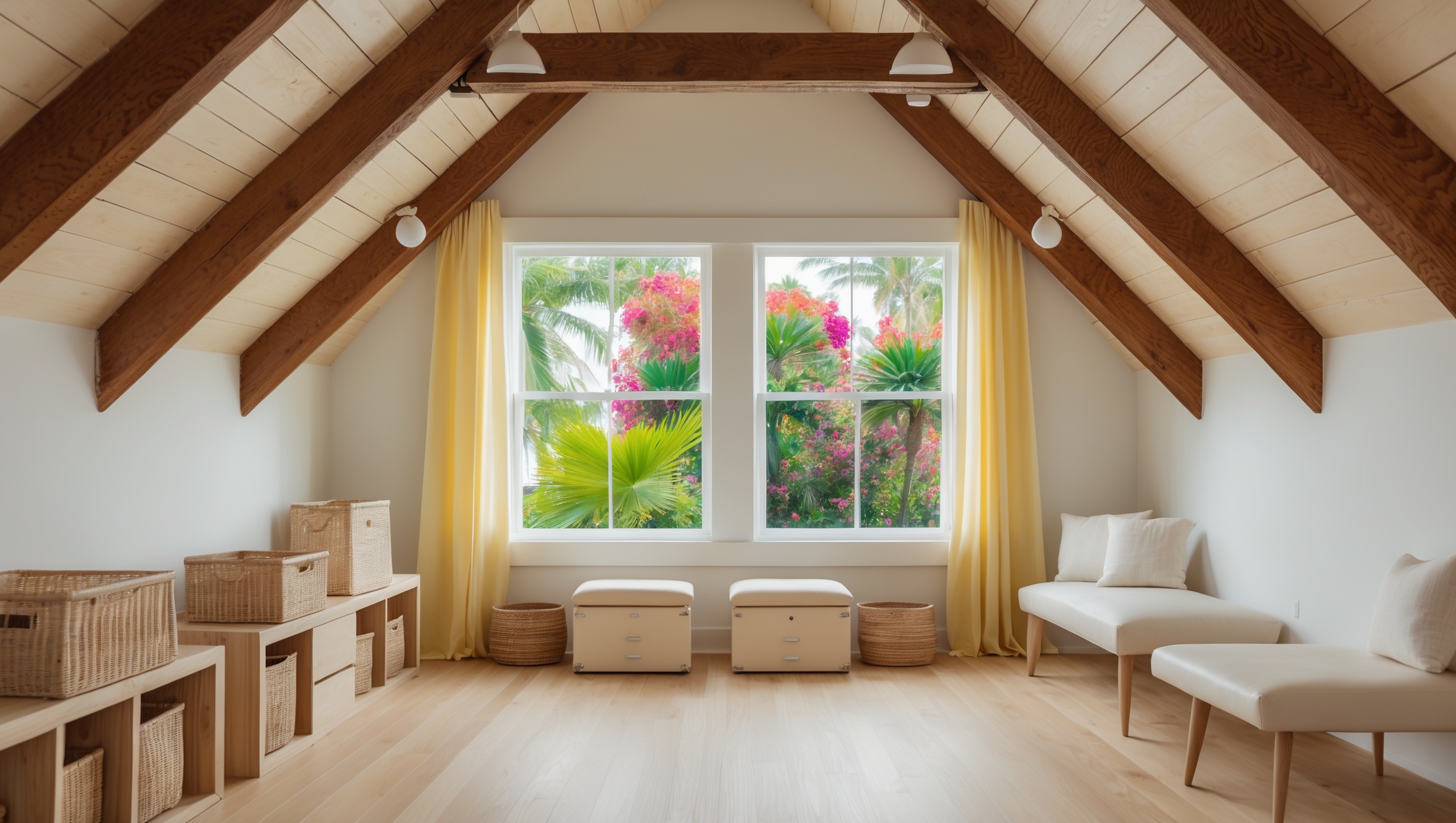
Introduction: Unlocking Potential in Southeast Seminole Heights Attics
Historic homes in Southeast Seminole Heights offer undeniable charm, unique architecture, and a deep sense of place. Yet, as families grow and lifestyles change, the need for more usable space often becomes pressing. Many homeowners overlook one of the most promising opportunities right above their heads: the attic. Converting your attic can not only add valuable square footage and increase resale value, but also enhance comfort and utility—all while preserving the neighborhood’s distinctive character. However, attic conversions in this part of Tampa aren’t as simple as laying down flooring and painting the walls. Local climate, common structural features of older homes, building codes, and preservation standards all come into play. This comprehensive guide will walk you through every stage of an attic conversion project in Southeast Seminole Heights, from evaluating feasibility and budgeting to insulation, ventilation, design, and local compliance. Whether you dream of a serene home office, a creative studio, or an extra bedroom, you’ll learn how to transform underused attic space into a functional, comfortable, and value-adding asset.
Evaluating Feasibility: Is Your Attic a Candidate?
Typical Attic Types in Southeast Seminole Heights
Homes in Southeast Seminole Heights generally fall into two categories: early 20th-century bungalows and mid-century ranches. Bungalows often feature steeply pitched roofs and unfinished attics with exposed rafters, while ranches may have lower-pitched roofs and less usable space. Knowing your home’s architecture is the first step in determining conversion potential.
- Roof Pitch: A pitch of 7/12 or steeper is ideal, as it provides standing room.
- Structural Framing: Rafters offer more open space than modern truss systems, which can complicate conversions.
- Access: Existing stairs or the possibility of adding code-compliant stairs is crucial.
Ceiling Height and Floor Load
For a habitable room under Florida Building Code, at least 50% of the attic area must have a ceiling height of 7 feet or more. Additionally, older homes may require floor reinforcement to support the weight of furniture and occupants. A structural engineer can assess whether your attic joists are up to the task or if sistering or other reinforcements are necessary.
Moisture and Pest Considerations
Florida’s humidity and Southeast Seminole Heights’ mature tree canopy mean attics are often home to excess moisture and pests. Before starting, inspect for leaks, mold, and signs of rodents or insects. Remediation now prevents expensive problems later.
Planning Your Project: Budget, Design, and Value
Budgeting for Attic Conversions
Attic conversions in the neighborhood typically range from $35,000 for straightforward finishes to $90,000+ for complex builds with bathrooms or dormers. Key cost factors include:
- Structural upgrades (floor joists, roof reinforcement)
- Staircase installation or modification
- Electrical and HVAC integration
- Insulation and ventilation improvements
- Windows and egress (often required by code)
- Finishes and built-in storage
Always include a 15-20% contingency for unexpected issues, especially in historic homes where surprises are common.
Project Value and ROI
Recent sales data in Southeast Seminole Heights suggests that well-executed attic conversions often recoup 60-75% of their cost at resale, especially when they add a legal bedroom or dedicated office space—strong selling points in today’s market. Even if you don’t plan to sell soon, the boost in usable space can enhance daily living and reduce pressure to move.
Designing for Comfort and Function
Design choices can make or break an attic conversion:
- Natural Light: Maximize daylight with dormer windows or skylights, but be mindful of local historic guidelines.
- Storage: Sloped ceilings are ideal for custom built-ins, window seats, or low cabinets.
- Multi-use Flexibility: Consider movable partitions or furniture to accommodate changing needs.
- Soundproofing: Use dense insulation and double-layer drywall to minimize noise transfer.
Meeting Southeast Seminole Heights’ Codes and Permit Requirements
Understanding Local Zoning and Historic District Rules
Much of Southeast Seminole Heights is within a local historic district, which means exterior changes—like new dormers or window alterations—may require review by the Architectural Review Commission (ARC). Always check with the City of Tampa’s Planning & Development Department before starting design work.
- If your home is contributing (historic), stricter standards may apply.
- Interior modifications usually have fewer restrictions, but egress windows may still affect rooflines.
Permit Process Step-by-Step
- Consult a local architect or designer familiar with historic homes.
- Submit plans for city review—include structural, electrical, and HVAC details.
- Schedule inspections at key stages: framing, insulation, electrical, and final.
- Obtain final approval and certificate of occupancy if required.
Unpermitted attic conversions can lead to insurance problems, fines, and resale complications—never skip permits.
Code Essentials: Egress, Stairs, and HVAC
- Egress: Bedrooms require an egress window at least 5.7 sq. ft. and no more than 44 inches off the floor.
- Stairs: Minimum width 36″, max rise 7.75″, and proper handrails.
- HVAC: Attics must be able to maintain 68°F in winter and 80°F in summer; often requires ductwork extension or a ductless mini-split.
Insulation and Ventilation: Comfort in the Florida Climate
Why Insulation Is Critical
Attics in historic Tampa homes were rarely insulated, leading to sweltering summer temps and winter drafts. Modern standards call for at least R-30 insulation in the attic ceiling. Options include:
- Spray foam: Excellent air seal, but costlier. Must be applied by a pro and can impact roof ventilation.
- Blown-in cellulose or fiberglass: More affordable, but may require air sealing upgrades.
- Rigid foam panels: Great for knee walls and sloped ceilings.
Always use vapor barriers appropriate for Florida’s humid climate to prevent mold and condensation.
Ventilation Strategies
Proper airflow prevents attic overheating and moisture buildup. Key tactics:
- Ridge vents combined with soffit vents for passive airflow.
- Powered attic fans—but only if the attic is not part of the conditioned living space.
- Ensure bath fans vent outdoors, not into the attic to prevent mold.
Dealing with Ductwork and Mini-Splits
Extending existing HVAC ducts is sometimes possible, but ductless mini-splits are often a better choice for smaller attics or when preserving historic framing. Select a unit sized for Florida heat loads and install high on the wall to maximize efficiency.
Lighting, Electrical, and Smart Home Features
Lighting Solutions for Attics
Low ceilings and odd angles make lighting a challenge. Combine:
- Recessed LED fixtures for general lighting (ensure proper insulation contact rating)
- Wall sconces and pendants for visual interest and task zones
- Natural daylight from skylights or dormer windows
Electrical Upgrades
Older homes may have undersized panels or outdated knob-and-tube wiring. Attic conversions are a perfect opportunity to:
- Upgrade to modern wiring and outlets
- Add GFCI protection where moisture may be present
- Install USB outlets or smart switches for modern convenience
Integrating Smart Home Features
Consider:
- Smart thermostats to control attic climate
- Leak detectors near HVAC units or mini-splits
- Integrated smoke and CO detectors for safety
Addressing Common Challenges in Historic Attic Conversions
Sloped Ceilings and Low Headroom
Work with the angles, not against them. Custom shelving, built-in desks, or reading nooks can turn awkward corners into assets. Use lighter paint colors to open up the space visually.
Preserving Historic Character
Retain exposed rafters or beadboard where possible. Salvaged materials and period-appropriate hardware help new work blend seamlessly with old. Always document original details before starting, in case restoration is needed later.
Noise and Privacy
Insulate both floors and knee walls for sound control. Consider solid-core doors at the top of the stairs and weatherstripping to reduce noise transfer. Add window treatments for privacy if the space will be a bedroom or studio.
Step-by-Step: How to Plan and Execute Your Attic Conversion
1. Initial Assessment
- Measure ceiling heights and floor area
- Check for leaks, pests, and insulation
- Consult with a structural engineer if unsure about joist capacity
2. Design Development
- Work with a local architect or designer familiar with historic preservation
- Develop plans that balance modern needs with historic character
- Plan for egress, lighting, and HVAC integration
3. Permitting and Approval
- Submit plans to the City of Tampa
- Coordinate with the ARC if exterior changes are proposed
4. Construction Phase
- Reinforce floors and roof framing as needed
- Install insulation, vapor barriers, and ventilation upgrades
- Rough-in electrical, plumbing (if needed), and HVAC
- Finish with drywall, flooring, and custom millwork
- Paint and install lighting fixtures
5. Final Touches
- Furnish with flexible, space-saving pieces
- Add window treatments and décor that reflect your style
- Schedule final inspections and obtain your certificate of occupancy
Maintenance Best Practices for Finished Attic Spaces
Moisture and Mold Prevention
Inspect the attic seasonally for signs of leaks, condensation, or musty odors. Clean gutters and check roof flashing after storms. Run dehumidifiers during especially humid months if needed.
HVAC and Air Quality
- Change filters in mini-split or ducted systems every 1-3 months
- Vacuum and dust regularly to prevent buildup in tight spaces
Pest Control
- Seal any new gaps or entry points for rodents or insects
- Set traps or use natural deterrents if issues arise
Finish Upkeep
- Touch up paint and caulk annually
- Check windows and doors for drafts and re-weatherstrip as needed
Conclusion: Transforming Your Southeast Seminole Heights Attic
Attic conversions in Southeast Seminole Heights are a unique opportunity to honor the past while embracing the needs of modern living. By combining thoughtful design, careful attention to local codes and historic guidelines, and robust structural and climate control upgrades, you can transform neglected space into a comfortable, beautiful, and highly functional part of your home. Beyond increasing your living area and boosting property value, a well-executed attic conversion can improve daily comfort and even reduce your home’s energy footprint when done right. Start with a thorough assessment, work with experienced professionals, and don’t cut corners on insulation or ventilation—these are the keys to long-term success in Florida’s climate. As you plan your project, remember that every attic is different, and solutions should be tailored to your home’s unique character and your family’s needs. With the right approach, your attic can become a favorite retreat, a productive workspace, or a welcoming guest suite—all while preserving the historic heart of your Southeast Seminole Heights bungalow or ranch. Investing in your attic is more than just gaining square footage; it’s about unlocking the full potential of your cherished home while strengthening your connection to this vibrant Tampa neighborhood.
If my home is an early 20th-century bungalow with exposed rafters, what are the main challenges I should expect during the attic conversion, especially with insulation and meeting local building codes?
With early 20th-century bungalows, exposed rafters often mean limited space for insulation, so achieving energy efficiency while preserving architectural details can be tricky. You’ll also need to meet current building codes for ceiling height, structural support, and egress windows, which may require creative solutions or upgrades. Consulting with a contractor experienced in historic homes is highly recommended.
How does the cost and complexity of adding code-compliant stairs to an unfinished attic in a historic home typically compare to working with attics in mid-century ranches?
Adding code-compliant stairs to an unfinished attic in a historic home is often more complex and costly than in mid-century ranches. Historic homes may have tighter spaces, unique layouts, and preservation requirements, which can complicate stair placement and design. Mid-century ranches usually offer more straightforward floor plans and wider spaces, making stair installation generally easier and less expensive.