
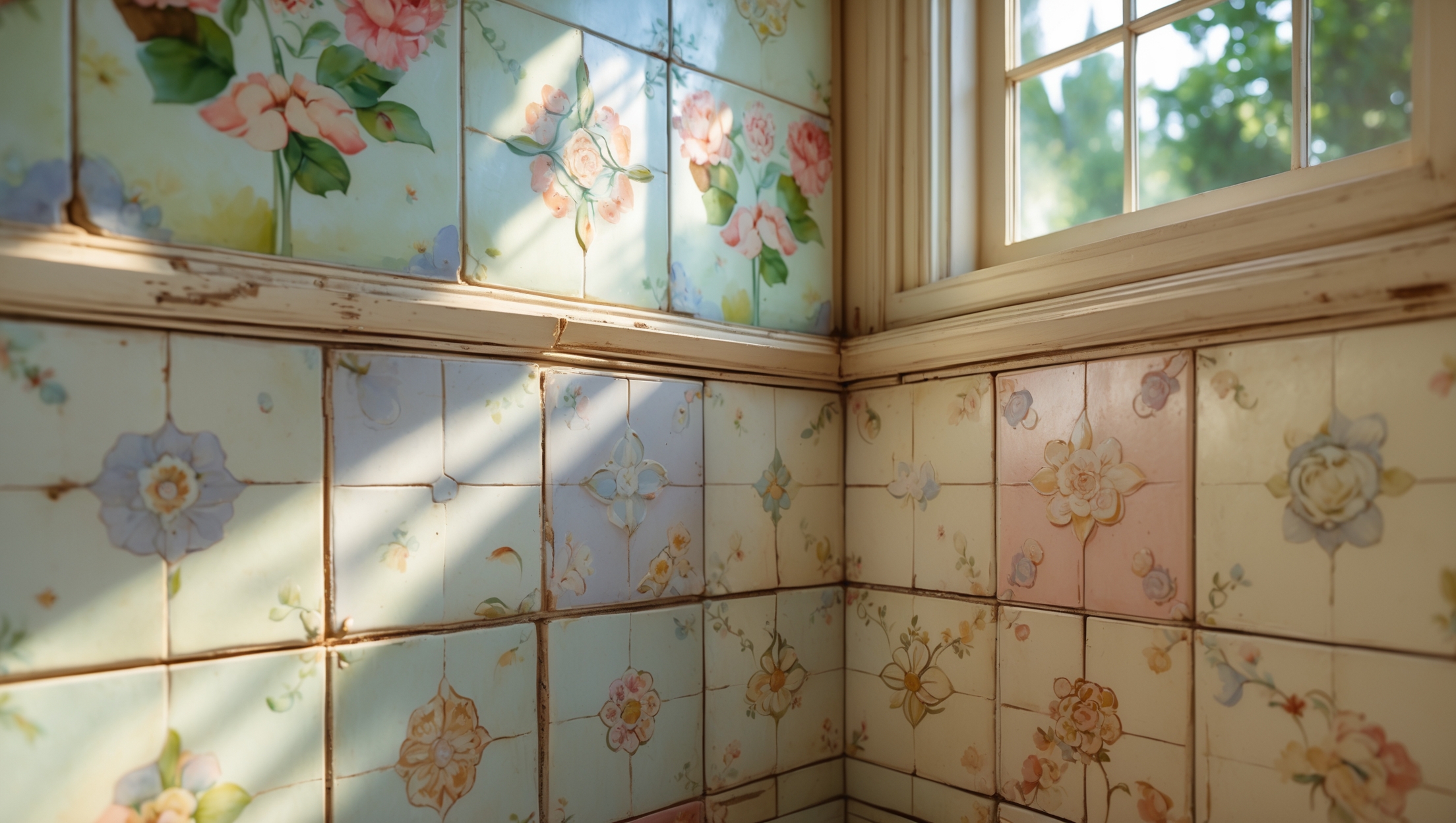
Introduction: Rediscovering the Beauty of Vintage Tilework
Southeast Seminole Heights is renowned for its eclectic blend of historic bungalows, Mediterranean Revivals, and mid-century homes, each bearing unique architectural details that set the neighborhood apart. One of the most striking and often overlooked features in these homes is the original tilework—found in bathrooms, kitchens, entryways, and even fireplaces. Vintage tiles, with their vibrant glazes, intricate patterns, and hand-crafted charm, tell the story of an era when craftsmanship mattered. Yet decades of wear, water intrusion, and shifting trends have left many of these treasures in need of rescue.
Restoring vintage tilework is more than a cosmetic upgrade—it preserves your home’s historical integrity, supports sustainability by reducing demolition waste, and can even increase property value. Southeast Seminole Heights homeowners face unique challenges: Florida’s high humidity, occasional flooding, and the scarcity of period-appropriate replacement tiles. Additionally, navigating restoration without damaging the original character requires careful planning and specialized techniques. This in-depth guide will walk you through each stage of the restoration process, from identifying the era and style of your tiles to sourcing matching materials, making repairs, and maintaining your restored surfaces for decades to come. Whether you’re tackling a classic hex-tile bathroom floor or a colorful Art Deco kitchen backsplash, you’ll find practical, locally relevant advice to ensure your project succeeds.
Understanding the Value and History of Vintage Tilework
Common Tile Types in Southeast Seminole Heights
Before launching into restoration, it’s important to recognize what you’re working with. Most homes in Southeast Seminole Heights feature one or more of the following tile types:
- Hexagonal and Penny Tiles: Small, unglazed porcelain tiles popular in 1920s–1940s bathrooms and entryways.
- Subway Tiles: Classic white or colored rectangles, often found in kitchens and shower walls.
- Hand-Painted Spanish Revival Tiles: Colorful, decorative, and frequently used on fireplace surrounds or stair risers.
- Mosaic Patterns: Intricate floor or wall designs pieced together from small, colored tiles.
Historic Value and Local Significance
Original tilework is a significant feature in the historic fabric of Southeast Seminole Heights. Restoring rather than replacing these materials helps maintain the neighborhood’s distinctive character and can enhance your home’s eligibility for historic tax credits if you’re in a designated area.
Assessment: Evaluating Your Tilework’s Condition
Inspection Checklist
- Check for loose, cracked, or missing tiles.
- Assess grout lines for discoloration, mold, or erosion.
- Test for hollow sounds by gently tapping tiles—this can indicate failed adhesive or water damage beneath.
- Look for signs of efflorescence (white, chalky residue) pointing to moisture issues.
- Identify any previous repairs; mismatched tiles or modern grout may indicate past patchwork.
Photographic Documentation
Take detailed photos before starting. These will help with sourcing matches and provide a reference for patterns during reinstallation.
Sourcing Matching Tiles and Materials
Local Resources for Vintage Tiles
- Salvage Yards: Tampa’s architectural salvage shops often carry period tiles rescued from local demolitions.
- Online Marketplaces: eBay, Etsy, and historic tile specialty sites can help you find rare patterns.
- Custom Reproduction: Some Florida artisans and companies, like Clayhaus or Heritage Tile, can replicate historic glazes and shapes.
Tips for Finding a Good Match
- Bring a sample or high-resolution photo when shopping.
- Measure tile thickness—older tiles may differ from modern standards.
- Consider ordering extra tiles for future repairs.
Preparation: Cleaning and Site Protection
Gentle Cleaning Techniques
Before repairs, thoroughly clean your tilework to assess its true condition. Avoid harsh chemicals and abrasive scrubbers, as they can damage delicate glazes.
- Mild Detergent: Mix a small amount of pH-neutral soap with warm water. Use a soft-bristled brush for surface dirt.
- Baking Soda Paste: For stubborn stains, apply a paste of baking soda and water, testing in an inconspicuous area first.
- Vinegar Warning: Avoid vinegar on limestone or marble-based tiles, as it can etch the surface.
Protecting Surrounding Areas
- Lay down drop cloths or cardboard to catch debris.
- Mask off adjacent surfaces with painter’s tape to avoid accidental damage.
Repairing Damaged Tiles: Step-by-Step
1. Removing Broken Tiles
- Score grout lines around the damaged tile with a utility knife.
- Place painter’s tape on surrounding tiles for added protection.
- Use a hammer and chisel (start at the center) to gently break up the broken tile, working outward. Wear goggles and gloves.
- Remove all debris and thoroughly clean the substrate.
2. Installing the Replacement Tile
- Test-fit your replacement tile in the cavity.
- Apply a thin layer of high-quality thinset mortar or tile adhesive to the back of the tile and the substrate.
- Press the tile into place, aligning with existing tiles.
- Wipe away excess adhesive immediately with a damp sponge.
3. Regrouting
- Allow adhesive to cure (per manufacturer’s instructions; typically 24 hours).
- Mix grout to match existing color and texture.
- Apply using a rubber float, pressing firmly into joints.
- Clean the surface with a damp sponge, rinsing frequently.
- Buff with a dry cloth after haze appears.
Restoring and Refreshing Old Grout
Grout Cleaning and Whitening
- Use a grout cleaner or a paste of baking soda and water for surface stains.
- For deep-set stains, a steam cleaner can lift embedded dirt without harsh chemicals.
Grout Repair and Replacement
- Scrape out crumbling grout with a grout saw or oscillating tool.
- Vacuum debris before reapplying new grout.
- Choose sanded or unsanded grout to match the original.
Color-Sealing for a Uniform Look
If patch repairs result in color mismatch, applying a grout color sealer can unify the appearance and add water resistance.
Addressing Common Challenges in Southeast Seminole Heights
Combating Moisture and Humidity
- Check for plumbing leaks or condensation behind walls before starting restoration.
- Install or upgrade exhaust fans in bathrooms and kitchens.
- Use waterproof membranes under floor tile in areas prone to flooding.
Dealing with Settling and Cracks
- Hairline cracks in tile can sometimes be filled with clear epoxy, but underlying structural movement should be addressed by a professional.
- Consider flexible grout for areas with minor movement, especially in older bungalows.
Sourcing Rare Patterns
- If an exact match is impossible, use contrasting tiles or a decorative border to make the repair look intentional.
- Document your tile pattern and source for future owners and repairs.
Preservation Techniques: Maintaining Your Restored Tilework
Routine Cleaning
- Wipe up spills promptly to prevent staining, especially with older glazes.
- Avoid abrasive cleaners and tools that can scratch or erode tile surfaces.
Periodic Sealing
- Seal grout lines annually with a penetrating sealer to prevent moisture intrusion.
- Glazed ceramic tiles typically do not require sealing, but unglazed or porous tiles may benefit from a light application.
Protecting High-Traffic Areas
- Use rugs with non-slip pads in entryways or kitchens to reduce wear.
- Trim pets’ nails to minimize scratching on floor tiles.
When to Call a Professional
Complex Repairs
If you encounter extensive water damage, structural issues beneath the tile, or a large area of failed adhesive, consult a restoration specialist with experience in historic homes. Local contractors familiar with Southeast Seminole Heights’ architecture can often source period-appropriate materials and employ techniques that protect your home’s value.
Lead and Asbestos Concerns
Homes built before 1978 may have lead-based glazes or asbestos-containing adhesives. If you suspect these hazards, have a professional test materials before disturbing them.
Cost Breakdown and Budgeting for Tile Restoration
Typical Costs in Southeast Seminole Heights
- DIY Materials: Replacement tiles ($3–$20/sq ft), grout, thinset mortar, basic tools ($50–$200 total).
- Professional Restoration: $18–$40/sq ft, depending on the complexity and rarity of tiles.
- Custom Tile Reproduction: $20–$70/sq ft for hand-painted or specialty tiles.
Saving on Costs
- Combine small repairs into one project to minimize labor charges if hiring a pro.
- Source surplus or salvaged tiles locally to avoid shipping fees.
- Plan for 10–20% extra tiles for future repairs, as patterns may become obsolete.
Local Case Studies: Southeast Seminole Heights Tile Restorations
Case Study 1: 1930s Bungalow Bathroom
The homeowners discovered original hexagonal floor tiles beneath linoleum. After removing the covering, they cleaned, replaced a dozen cracked tiles with salvaged matches from a Tampa salvage yard, and regrouted with a historically accurate off-white. The project cost under $500 and restored the room’s period charm.
Case Study 2: Art Deco Kitchen Backsplash
A 1940s bungalow boasted a mosaic backsplash with missing pieces. The owners sourced reproduction tiles from a Florida artisan, blending new with old. A local tile restorer handled installation, preserving the original pattern. The seamless repair increased home value and received neighborhood acclaim during the annual historic home tour.
Conclusion: Preserving Character, Protecting Value
Restoring vintage tilework in Southeast Seminole Heights homes is both an art and a science. Beyond enhancing aesthetic appeal, the process is a meaningful investment in your property’s history and the neighborhood’s unique architectural tapestry. Each tile you clean, repair, or replace brings you closer to reviving the craftsmanship of previous generations—while also creating a durable, low-maintenance surface for modern living.
With careful assessment, thoughtful sourcing, and attention to detail, even the most neglected tilework can be transformed. Take pride in researching your home’s origins and seeking out period-appropriate materials; these efforts will pay dividends in authenticity, value, and personal satisfaction. Don’t hesitate to consult local professionals for complex jobs, and always follow best practices for safety and preservation. As you complete your restoration journey, you’ll not only have a stunning, functional space but also a tangible link to the vibrant history of Southeast Seminole Heights.
By preserving these historic details, you contribute to a broader culture of respect for the neighborhood’s past—a legacy that will inspire future generations of homeowners. Whether you’re prepping for resale, restoring for your own enjoyment, or simply passionate about historic homes, vintage tilework is a detail worth saving. With this guide at your side, you have the knowledge and confidence to restore, maintain, and celebrate these timeless features.
Do you have any suggestions for where to find period-appropriate replacement tiles in the Tampa area? I’m struggling to match the original hex tiles in my 1930s bathroom.
For matching 1930s hex tiles, you might try local architectural salvage stores in Tampa, such as Schiller’s Salvage or Urban Twiggs. Some specialty tile shops also carry vintage-inspired lines. It can help to bring a sample tile or a clear photo for the best match. If you still have trouble, some shops offer custom fabrication to replicate older patterns.
I’m worried about Florida’s humidity impacting my restored tilework long-term. Are there any products or sealing techniques you recommend specifically for bathrooms in older Southeast Seminole Heights homes?
Florida’s humidity can definitely affect vintage tilework, especially in bathrooms. For older homes in Southeast Seminole Heights, use a high-quality penetrating sealer made for porcelain or ceramic tile. Reapply the sealer every year or two, focusing on grout lines. Also, ensure your bathroom is well-ventilated with a good exhaust fan to keep moisture levels down.