
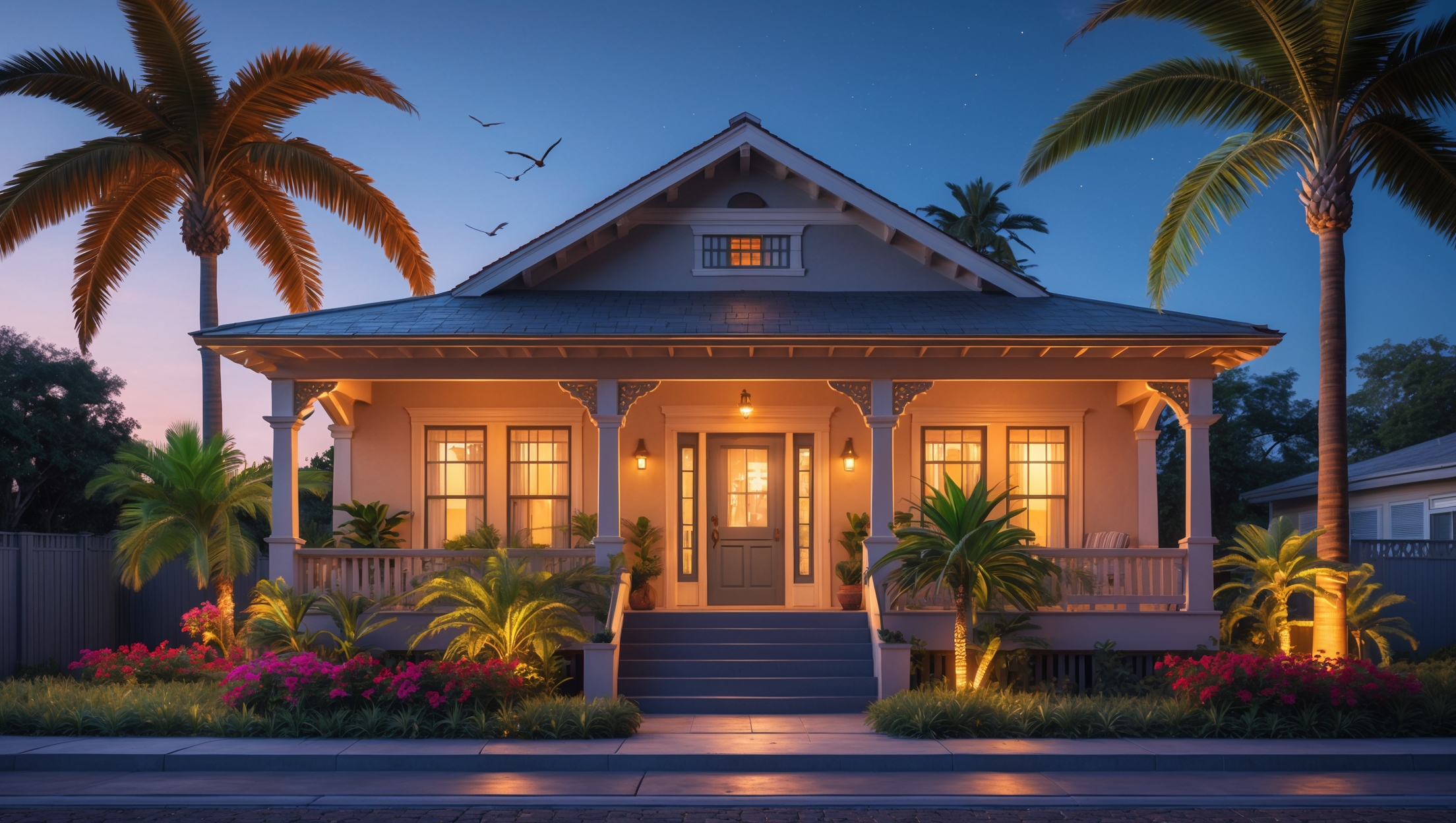
Outdoor lighting does more than just illuminate your home after dark—it enhances curb appeal, improves safety, and can even increase property value. In Southeast Seminole Heights, where historic charm blends with vibrant local life, the right outdoor lighting choices can beautifully showcase your property while meeting practical needs. However, homeowners frequently make costly or frustrating mistakes when upgrading their exterior lighting, from overlooking neighborhood style to ignoring local code requirements and missing out on energy-saving opportunities. Whether you’re dreaming of a welcoming porch glow, accentuating lush landscaping, or boosting nighttime security, understanding what to do—and what to avoid—can make all the difference. This guide is tailored specifically for Southeast Seminole Heights residents, offering local insights, actionable tips, and expert advice to help you get outdoor lighting upgrades right the first time. Read on to learn about common pitfalls, local style considerations, compliance essentials, and how to maximize both beauty and efficiency in your lighting project.
Understanding Southeast Seminole Heights’ Outdoor Lighting Aesthetics
The Influence of Neighborhood Character
Southeast Seminole Heights is known for its historic bungalows, mature trees, and a blend of old and new architecture. The neighborhood’s unique personality should inspire your outdoor lighting choices. A mismatch between lighting style and home architecture is one of the most common errors residents make. For example, installing overly modern or industrial fixtures on a 1920s craftsman bungalow can disrupt curb appeal and even affect property value.
- Bungalow & Craftsman Homes: Opt for lantern-style sconces, bronze or black finishes, and soft, warm light temperatures (2700K–3000K) to complement period details.
- Mid-century or Contemporary Homes: Choose clean-lined fixtures with minimalist design and subtle metallic finishes, but avoid anything too stark that might clash with the neighborhood vibe.
- Landscape Integration: Use low-profile path and garden lights to highlight mature oaks, palms, or native landscaping without overpowering the yard.
Blending Function with Style
Another frequent mistake is focusing solely on aesthetics or, conversely, just on function. The key is to strike a balance. Porch lights should be inviting yet bright enough for safe entry. Pathway and driveway lighting should enhance navigation, but avoid harsh glare that can annoy neighbors or disrupt the area’s nighttime ambiance.
Common Mistakes to Avoid in Outdoor Lighting Upgrades
1. Choosing the Wrong Fixture Materials
Tampa’s subtropical climate means high humidity, frequent rain, and intense sun. Homeowners sometimes select fixtures not rated for outdoor use or made with materials that won’t withstand the elements.
- Best Choices: Powder-coated aluminum, stainless steel, copper, and brass. These materials resist corrosion and fading.
- Avoid: Untreated steel or cheap plastic fixtures, which quickly deteriorate here.
2. Ignoring Local Lighting Ordinances and Codes
Southeast Seminole Heights falls under Tampa’s municipal lighting codes, which regulate brightness, fixture placement, and sometimes color temperature. Violating these rules can result in fines or forced removal of new installations.
- Fixtures should be shielded to prevent excessive light spill onto neighboring properties or into the street.
- Motion-activated security lights must be aimed downward, not across property lines.
- Overly bright floodlights and blue-toned LEDs are discouraged to reduce light pollution and protect local wildlife.
Always check with the City of Tampa’s Building Services or consult with a licensed electrician familiar with the area.
3. Overlooking Energy Efficiency
Many residents stick with outdated halogen or incandescent bulbs, missing out on significant energy savings. Modern LED fixtures use up to 80% less energy and last years longer.
- Look for Energy Star-rated outdoor fixtures.
- Consider solar-powered path and accent lights for low-traffic areas.
4. Poor Placement and Spacing
Too many or too few fixtures can both be problematic. Over-lighting creates glare and wastes energy, while under-lighting leaves dark, unsafe spots.
- Map out lighting zones: entryways, paths, driveways, patios, and landscape focal points.
- Stagger path lights 6–8 feet apart for even coverage.
- Wall-mounted fixtures should be about one-third the height of the door and mounted at eye level.
5. Neglecting Maintenance Access
Placing lights where bulbs or fixtures are hard to reach leads to frustration and neglect. Prioritize locations where you can easily clean lenses and replace bulbs.
Step-by-Step Guide to Planning Your Outdoor Lighting Upgrade
1. Assess Your Current Lighting
Walk your property at night and note dark spots, overly bright areas, or fixtures that don’t match your home’s style. Take photos and jot down what you’d like to improve. Consider both aesthetics and safety/security needs.
2. Set a Realistic Budget
Outdoor lighting costs can range from $500 for simple DIY upgrades up to $5,000+ for professional landscape lighting. Don’t forget to factor in:
- Fixture costs (quality materials pay off in the long run)
- Wiring and electrical work (especially for hardwired installations)
- Permit fees (if required for new wiring or major additions)
- Professional labor (if not DIY)
Tip: Allocate 10–15% extra for hidden issues, such as outdated wiring or the need for new junction boxes.
3. Create a Lighting Plan
Sketch your home’s exterior and yard, marking where you want to add or replace fixtures. Identify:
- Areas requiring functional lighting (entry, driveway, walkways)
- Accent zones (porch columns, landscaping, architectural features)
- Potential sources of glare for neighbors or traffic
4. Select Fixtures and Bulbs
- Choose finishes and shapes that complement your home’s style and color palette.
- Opt for LED bulbs with a warm (2700K–3000K) color temperature for a welcoming look.
- Consider smart features like dusk-to-dawn sensors, timers, or app controls for added convenience and energy savings.
5. Check Code and Permit Requirements
Before purchasing or installing anything, review local codes or consult a licensed electrician. If you plan to add new wiring or circuits, a permit will likely be required. DIYers should ensure all work is up to the latest National Electrical Code (NEC) and Tampa’s local amendments.
6. Install Safely
If you’re comfortable with basic wiring and the project is minor (e.g., replacing existing fixtures), turn off the power at the breaker and follow all manufacturer instructions. For new installations, hardwiring, or complex setups, hire a qualified electrician. Not only does this ensure safety and code compliance, but it also protects your insurance coverage in case of electrical issues.
Local Compliance and Permit Insights
Do You Need a Permit?
In Tampa, replacing an existing outdoor fixture usually does not require a permit. However, adding new circuits, outlets, or running new wiring almost always does. If you live in a historic district or in a home with historic designation, additional review may be required to ensure lighting fixtures match neighborhood standards.
- Contact the City of Tampa Building Services for clarification before starting work.
- For homes in designated historic areas, consult the Architectural Review Commission for approved fixture types and placement.
Common Code Requirements
- All outdoor electrical boxes and fixtures must be rated for exterior use.
- Outdoor outlets must have GFCI protection.
- Fixtures should be shielded to minimize light pollution and avoid shining directly into other homes or onto streets.
- Security lights must be motion-activated and pointed downward.
Energy-Saving Strategies for Southeast Seminole Heights
Choosing Efficient Fixtures
LED technology has revolutionized outdoor lighting, offering superior energy efficiency, lower maintenance, and a variety of styles. When choosing LED fixtures:
- Look for fixtures with integrated LEDs for longer life and weather resistance.
- Check the lumens rating—around 450 lumens for porch lights, 200–300 lumens for path lights, and 700+ for security lights.
Smart Controls and Automation
Installing smart switches, timers, or dusk-to-dawn sensors can further reduce energy use. These devices ensure lights are only on when needed—ideal for busy families or vacation homes.
- Smart bulbs and Wi-Fi enabled fixtures allow easy control from your phone.
- Solar-powered lights are great for paths and accent zones, but check that location gets adequate sun.
Solar vs. Wired Lighting
Solar lighting is a good choice for non-critical areas, like garden beds or accent features, as it requires no wiring and is easy to install. However, reliability may be an issue during the rainy season or in shaded yards. For main entryways or security lighting, hardwired LED fixtures are recommended for consistent illumination.
Maintenance Best Practices for Long-Lasting Outdoor Lighting
Protecting Fixtures from Tampa’s Climate
Humidity, salt air, pollen, and summer storms take their toll. To keep outdoor lights looking and working their best:
- Clean glass and metal surfaces quarterly with mild soap and water.
- Check and replace weather seals once a year to prevent moisture intrusion.
- Trim back vegetation to prevent fixtures from being overgrown or damaged by branches.
- Inspect for rust or corrosion, especially after heavy storms.
Bulb and Fixture Replacement
- Choose long-life LED bulbs rated for outdoor use.
- Replace bulbs in pairs for uniform brightness.
- Keep spare bulbs and common repair parts on hand, especially before hurricane season.
Electrical Safety Checks
- Test GFCI outlets monthly.
- Inspect wiring and junction boxes annually for exposed or frayed wires.
- Hire a licensed electrician for any repairs involving wiring or circuit breakers.
Local Case Study: A Southeast Seminole Heights Porch Transformation
Consider the recent upgrade of a 1930s bungalow on E. Louisiana Avenue. The homeowner wanted to enhance security and highlight historic details without sacrificing the home’s charm. Working with a local electrician, they chose bronze carriage lights for the front porch and warm LED path lights for the walkway. All fixtures were selected for coastal durability, and a new GFCI outlet was added for seasonal decor. With proper placement and style, the home now glows invitingly in the evening while staying fully compliant with city codes.
Conclusion: Achieving Beautiful, Compliant, and Efficient Outdoor Lighting
Upgrading outdoor lighting in Southeast Seminole Heights is an investment in safety, comfort, and curb appeal—but only if it’s done thoughtfully. By respecting the character of your historic neighborhood, selecting durable and energy-efficient fixtures, and ensuring every element complies with local codes, you can avoid the headaches and wasted expense that come with common mistakes. Remember to plan carefully: assess your needs, match your home’s architectural style, budget for quality materials, and seek professional guidance for any electrical work beyond basic fixture swaps. Take advantage of modern LED technology, smart controls, and weather-resistant materials to create a lighting scheme that’s both beautiful and practical. Most importantly, stay up to date on city requirements and maintenance best practices to ensure your investment lasts for years to come. With these strategies, your home can shine as a welcoming beacon in Southeast Seminole Heights—showcasing your style and enhancing your neighborhood, one well-placed light at a time.
Regarding local code compliance, are there any specific restrictions on fixture brightness or placement in Southeast Seminole Heights that homeowners should be aware of when upgrading outdoor lighting?
Homeowners in Southeast Seminole Heights should know that local codes often require outdoor lighting to avoid excessive brightness and prevent light from spilling onto neighboring properties or streets. Fixtures should usually be shielded, and brightness (measured in lumens) may need to stay within certain limits. Always check current city ordinances or consult with the local building department for the most accurate, up-to-date requirements.
If I have a 1920s bungalow but want to add some modern touches to my outdoor lighting, how can I balance keeping the historic curb appeal with a slightly updated look?
You can balance historic charm with modern updates by choosing outdoor fixtures that have clean, simple lines in materials that suit your bungalow, like bronze or black finishes. Try using modern LED bulbs in classic-style fixtures, or mix traditional lanterns with subtle contemporary path lighting to keep the overall look cohesive yet fresh.
Are energy-saving lighting options like LEDs easy to install in older homes, or do you typically need to update wiring when upgrading exterior fixtures on craftsman bungalows?
LEDs are generally easy to install in older homes like craftsman bungalows, as most modern LED fixtures are designed to work with standard wiring. However, if your existing wiring is very old or in poor condition, an electrician may recommend updating it for safety and compatibility. Usually, a simple fixture swap is all that’s needed.
If my house is a mix of craftsman and some more modern elements, how do I choose fixtures that don’t clash but still fit the neighborhood style?
Blending craftsman and modern styles can work well if you look for outdoor fixtures with clean lines and warm finishes, like bronze or matte black. Aim for shapes that echo craftsman features but with subtle modern touches. Make sure the scale and colors complement your home’s exterior and look harmonious with neighboring homes, keeping the neighborhood’s character in mind.
If I want to upgrade my porch lighting on a budget while still matching the neighborhood style, do you have any tips for affordable fixture sources or DIY options that avoid those common mistakes you mentioned?
To upgrade porch lighting on a budget, consider shopping at local hardware stores, discount home centers, or online marketplaces for fixtures that echo your neighborhood’s style. Spray painting or refurbishing existing fixtures can also provide a fresh look affordably. Just make sure any DIY changes use outdoor-rated materials and comply with local electrical codes to avoid common mistakes.
What are some affordable ways to get that warm, period-correct look with outdoor lighting if I’m on a tight budget but still want to be energy efficient?
You can achieve a period-correct look on a budget by shopping for vintage-style LED bulbs and fixtures, such as lanterns or sconces, at local hardware stores or online marketplaces. Choose warm white LEDs for energy efficiency and the right ambiance. Consider repainting or refurbishing existing fixtures in period-appropriate colors to save more.
Could you clarify which specific lighting features are required by local code in Southeast Seminole Heights, especially for historic bungalows? I want to make sure I comply without losing the original charm of my home.
In Southeast Seminole Heights, local codes typically require that outdoor lighting for historic bungalows is fully shielded to prevent glare and light spill onto neighboring properties. Fixtures should be compatible with the home’s historic style and use energy-efficient bulbs. Always check with the local historic preservation office for any additional restrictions or approval needed before making changes.
Could you clarify whether there are any specific city codes in Southeast Seminole Heights that affect the placement or brightness of outdoor lighting, especially for historic bungalow homes?
Yes, Southeast Seminole Heights has local codes that address outdoor lighting placement and brightness, especially in historic areas. Fixtures should not spill light onto neighboring properties and must preserve the neighborhood’s historic character. For bungalow homes, you may also need approval from the local historic preservation board before making changes. It’s best to consult the city’s zoning office for detailed requirements.
You mention using warm light temperatures for craftsman homes. Are there any energy-efficient LED options available in that 2700K–3000K range that still offer the right historic look?
Yes, there are many energy-efficient LED bulbs available in the 2700K–3000K range that provide a warm, inviting glow similar to traditional incandescent lighting. Look for LEDs labeled as ‘warm white.’ Many brands also offer bulbs with a vintage or filament style, which can enhance the historic appearance of craftsman homes while keeping energy costs low.
If my house is a 1920s craftsman bungalow but I prefer the look of modern fixtures, is there a way to blend those styles without hurting curb appeal or violating local code?
You can certainly blend modern fixtures with your 1920s craftsman bungalow by choosing contemporary lights that feature classic shapes or materials, like bronze or brushed nickel. Focus on fixtures with clean lines that complement your home’s architecture. Just ensure the size and placement fit your home’s proportions, and double-check that all selections are compliant with local codes regarding brightness and installation.
You mentioned that modern fixtures can clash with a craftsman bungalow’s style. Is it possible to mix styles in different parts of the yard, like using more contemporary lights for security in the back and period-appropriate ones in front?
Yes, you can definitely mix styles in different areas. Many homeowners choose period-appropriate fixtures for the front to match the character of their bungalow, while opting for more modern, functional lighting in less visible spaces like the backyard for security. Just aim for some consistency in color or finish so the overall look feels intentional.