
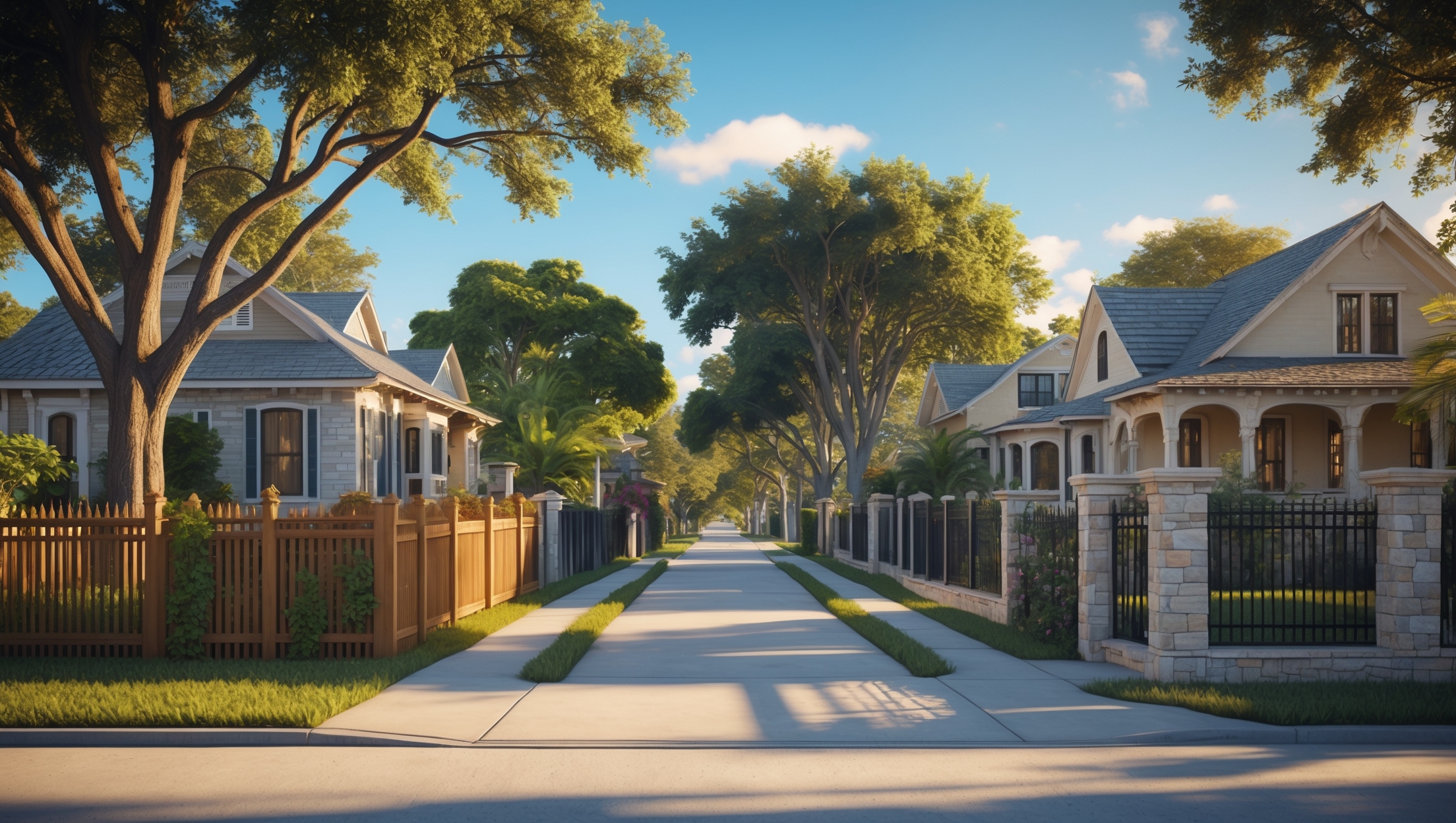
Introduction: Why Fence Compliance Matters in Southeast Seminole Heights
Fences do more than define property boundaries—they’re a crucial part of curb appeal, security, and neighborhood harmony in Southeast Seminole Heights. Yet, homeowners often underestimate the complexity of local regulations governing fence height, materials, and style. Overlooking these rules can lead to costly rework, HOA disputes, and even municipal fines. With the unique blend of historic charm and evolving development in Southeast Seminole Heights, understanding local requirements is essential before you dig a post hole or order materials. This guide is designed to arm you with practical, up-to-date knowledge about fence regulations, permitting steps, and aesthetic considerations specific to our community. Whether you’re eyeing a classic picket fence for your Craftsman bungalow or planning a privacy barrier along a busy road, you’ll find step-by-step advice to keep your project compliant, attractive, and stress-free.
Understanding Local Fence Regulations: The Essentials
City of Tampa Zoning and Code Requirements
Southeast Seminole Heights falls under the City of Tampa’s jurisdiction, which enforces specific codes for residential fencing. These codes are designed to maintain neighborhood character, ensure safety, and address unique local concerns such as storm resilience and historic preservation. Here’s what you need to know:
- Front Yard Fences: Generally limited to 4 feet in height. Must allow visibility (i.e., picket, wrought iron, or other open styles) to preserve sight lines at intersections and maintain the area’s open feel.
- Side and Rear Yard Fences: Can be up to 6 feet high. Solid privacy fences are allowed, but materials and finishes may be regulated if the property is within a historic district.
- Materials: Acceptable materials typically include wood, vinyl, aluminum, wrought iron, masonry, and chain link (with restrictions on visibility from public streets).
- Setbacks: Fences must be installed within your property line. In some cases, additional setbacks from sidewalks or alleyways are required.
- Corner Lots: Visibility triangles at intersections may further restrict fence height and style to avoid blocking drivers’ views.
Historic District and Overlay Considerations
Many Southeast Seminole Heights homes are part of historic overlays, which add another layer of requirements. In these areas:
- Design Review: Fences may need approval from the Barrio Latino Commission or Architectural Review Commission if they affect the historic streetscape.
- Material Restrictions: Modern materials (like some types of vinyl or chain link) may be prohibited in favor of wood or metal styles that match the home’s era.
- Color and Finish: Paint and stain colors may need to be historically appropriate and consistent with the district’s palette.
Homeowners Association (HOA) Rules
Some sections of Southeast Seminole Heights have active HOAs or neighborhood associations. Their restrictions can be stricter than city codes. Always:
- Request and review your HOA’s architectural guidelines before planning.
- Submit required applications and obtain written approval before starting any work.
- Keep records of all correspondence and approvals for future reference.
Step-by-Step Fence Planning for Compliance
1. Define Your Purpose and Priorities
Are you seeking privacy, security, pet safety, or simply curb appeal? Your goals will shape both the type of fence and the regulatory requirements you’ll encounter. For example, privacy fences are usually limited to side and rear yards, while decorative pickets are favored up front.
2. Survey Your Property Lines
Never rely on old assumptions or neighborly handshakes. Obtain a recent survey or have one done if needed. Fencing outside your boundary—even by a few inches—can spark disputes and force relocation at your expense.
3. Research Specific Local Rules
- Visit the City of Tampa website for the latest zoning and permit information.
- If in a historic overlay, review the Historic Preservation resources.
- Contact your HOA for neighborhood-specific guidelines.
4. Choose Materials and Style with Compliance in Mind
- In historic areas, opt for wood or ornamental metal over chain link or PVC.
- Consider hurricane-rated hardware and posts for storm resilience.
- Use finishes and colors that blend with your home and neighborhood.
5. Prepare and Submit Your Permit Application
- Gather required documents: property survey, fence plans, material descriptions, and photos of proposed location.
- Complete the City’s fence permit application.
- Pay the applicable permit fee.
- Wait for approval before beginning construction—a site inspection may be required.
Common Southeast Seminole Heights Fence Mistakes (and How to Avoid Them)
1. Ignoring Front Yard Height and Openness Rules
Installing a six-foot privacy wall right up to the sidewalk is a common error—one that almost always leads to city intervention. Stick to 4-foot, open-style fences in front yards unless you have written exemptions.
2. Overlooking Historic Overlay Rules
Even if your neighbor has a vinyl privacy fence, your property may be subject to stricter rules due to historic district boundaries. Always check your specific address against overlay maps.
3. Building Without Permits
Unpermitted fences can result in stop-work orders, fines, and mandatory removal. Permitting protects you and future buyers by proving the fence is legal and properly constructed.
4. Encroaching on Easements
City rights-of-way, alleys, and utility easements are off-limits for most fences. Check your survey and ask the city if you’re unsure about easement boundaries.
5. Disregarding Drainage and Utilities
Fences should not block drainage swales or interfere with underground utilities. Call 811 before digging, and ensure your design accommodates water flow and access needs.
Aesthetic and Practical Tips for Compliant, Attractive Fences
Blend with Neighborhood Character
- Match fence style and color to your home’s architecture.
- Use landscaping—like hedges or flowering vines—to soften the look of taller fences.
- Consider stepped or scalloped designs for sloped yards.
Use Quality, Durable Materials
- Pressure-treated or rot-resistant wood for longevity.
- Galvanized steel or aluminum for low-maintenance security fences.
- Masonry pillars or bases for added storm stability (with proper footings).
Plan for Gates and Access
- Ensure gates swing inward to avoid public right-of-way issues.
- Use self-closing, lockable hardware for pools or pet enclosures—these are often required by code.
Maintain Visibility and Safety
- Keep fence heights low near driveways and corners.
- Trim landscaping to avoid obstructing views for drivers and pedestrians.
Special Scenarios: Fence Compliance Case Studies
Case Study 1: Privacy Fence for a Historic Bungalow
A homeowner on E. Giddens Avenue wanted a six-foot privacy fence for their Craftsman bungalow. Because the property was in a historic overlay, they worked with the Barrio Latino Commission to select a wood board-and-batten design, stained in an approved natural tone. The fence was set back behind the front façade, preserving streetscape character while providing backyard privacy.
Case Study 2: Corner Lot Visibility Challenge
On a corner lot near Nebraska Avenue, a family hoped to maximize their backyard with a tall fence. City staff required a visibility triangle at the intersection, limiting the fence to 3 feet in the corner section. The solution: a decorative metal fence in the setback area, transitioning to a taller wood privacy section further from the corner.
Case Study 3: HOA Guidelines Override City Rules
In a deed-restricted enclave, a homeowner’s planned vinyl fence met city code but conflicted with the HOA’s preference for wood. After consultation, they installed a wood shadowbox style, securing both HOA and city approval and avoiding costly rework.
Permitting and Inspection: What to Expect
Permit Application Process
- Submit all required documentation online or in person.
- Typical review time: 5–10 business days.
- Corrections may be requested if plans don’t meet code.
Inspections
- Post-hole or footing inspection may be required before setting posts.
- Final inspection to ensure fence matches approved plans and doesn’t encroach on setbacks or easements.
Recordkeeping
- Keep your permit and inspection records for future reference, especially if you plan to sell your home.
- If your fence is later damaged or replaced, these records speed up insurance claims and future permitting.
Maintenance and Long-Term Compliance
Keep It in Good Repair
City code requires fences to be maintained in a safe, upright, and attractive condition. Regularly inspect for rot, insect damage, rust, or storm damage and make prompt repairs.
Repainting and Staining
Repainting or staining may require new approvals in historic areas. Always check with the city or your HOA before making significant finish changes.
Handling Damage After Storms
- Contact your insurer immediately if your fence is damaged in a storm.
- Temporary repairs are allowed, but permanent replacement must follow current codes.
- Document all work for both permit and insurance purposes.
Conclusion: Building the Right Fence—The First Time
Installing a fence in Southeast Seminole Heights is an excellent investment in privacy, safety, and home value—if you do it right. Taking the time to understand local, historic, and HOA regulations pays off in more ways than just avoiding fines. It ensures your fence will enhance your property, blend seamlessly into your neighborhood, and stand strong through Florida’s storms and seasons. Start with a clear plan, verify your boundaries, and select materials and styles that reflect both your personal taste and the character of Southeast Seminole Heights. Always obtain the necessary permits and approvals, and don’t skimp on quality or craftsmanship. If you’re ever in doubt, consult with a local contractor or reach out to the city’s permitting office for guidance. By focusing on compliance and thoughtful design from the start, you can create a fence that will serve your needs—and your neighborhood’s character—for years to come.
Remember, a well-built, compliant fence is more than a boundary; it’s a statement about pride in your home and community. With these expert tips and local insights, you’re ready to tackle your next fencing project confidently and responsibly in Southeast Seminole Heights.
For the front yard fences that are limited to 4 feet and require visibility, what counts as ‘open style’? Are certain picket spacings or designs recommended for compliance?
An ‘open style’ fence typically means one that allows visibility through it, such as picket or chain-link designs. For picket fences, the gaps between pickets should generally be at least as wide as the pickets themselves, ensuring the fence doesn’t obstruct views. Avoid solid panels or privacy fences in the front yard to stay compliant.
Are there any recommended fence materials that hold up best in our area considering the storm resilience requirements mentioned in the article?
Yes, for storm resilience in Southeast Seminole Heights, materials like vinyl, aluminum, and pressure-treated wood are often recommended. These options tend to withstand high winds and heavy rain better than standard wood. It’s also wise to choose materials rated for hurricane-prone areas and ensure proper installation to meet local building codes.
I’m considering a wooden privacy fence for my backyard, but my house is inside the historic district. Are there specific material or finish restrictions I should know about before getting a permit?
Since your home is in the historic district, there may be restrictions on both the materials and finish for your fence. Typically, guidelines require wood fences to use traditional designs and natural or muted finishes. It’s best to consult the local historic preservation board or permitting office to confirm the approved materials and finishes before applying for your permit.
If my house is on a corner lot in Southeast Seminole Heights, do the front yard fence rules apply to both street-facing sides, or just the main entrance side?
For corner lots in Southeast Seminole Heights, the front yard fence rules generally apply to both street-facing sides. This means you’ll need to follow the same height and style regulations along each street frontage, not just the side with the main entrance.
We have a Craftsman bungalow inside the historic district, and I’m wondering how strict they are about the materials and finishes. Are there specific colors or types of wood that are required?
Within the historic district, there are usually guidelines to preserve the neighborhood’s character. For Craftsman bungalows, wood picket or board-on-board fences are often preferred, and stained or painted finishes in historically appropriate colors may be required. Specific materials, finishes, and colors might be reviewed by the historic preservation board, so it’s best to check with them before starting your project.
If my property is on a corner lot, do the visibility rules for front yard fences apply to both street-facing sides, or is one considered a side yard for height purposes?
For corner lots in Southeast Seminole Heights, both street-facing sides are generally treated as front yards when it comes to fence height and visibility rules. This means the more restrictive front yard regulations, including lower height limits and visibility triangles, apply to both sides facing the streets.