
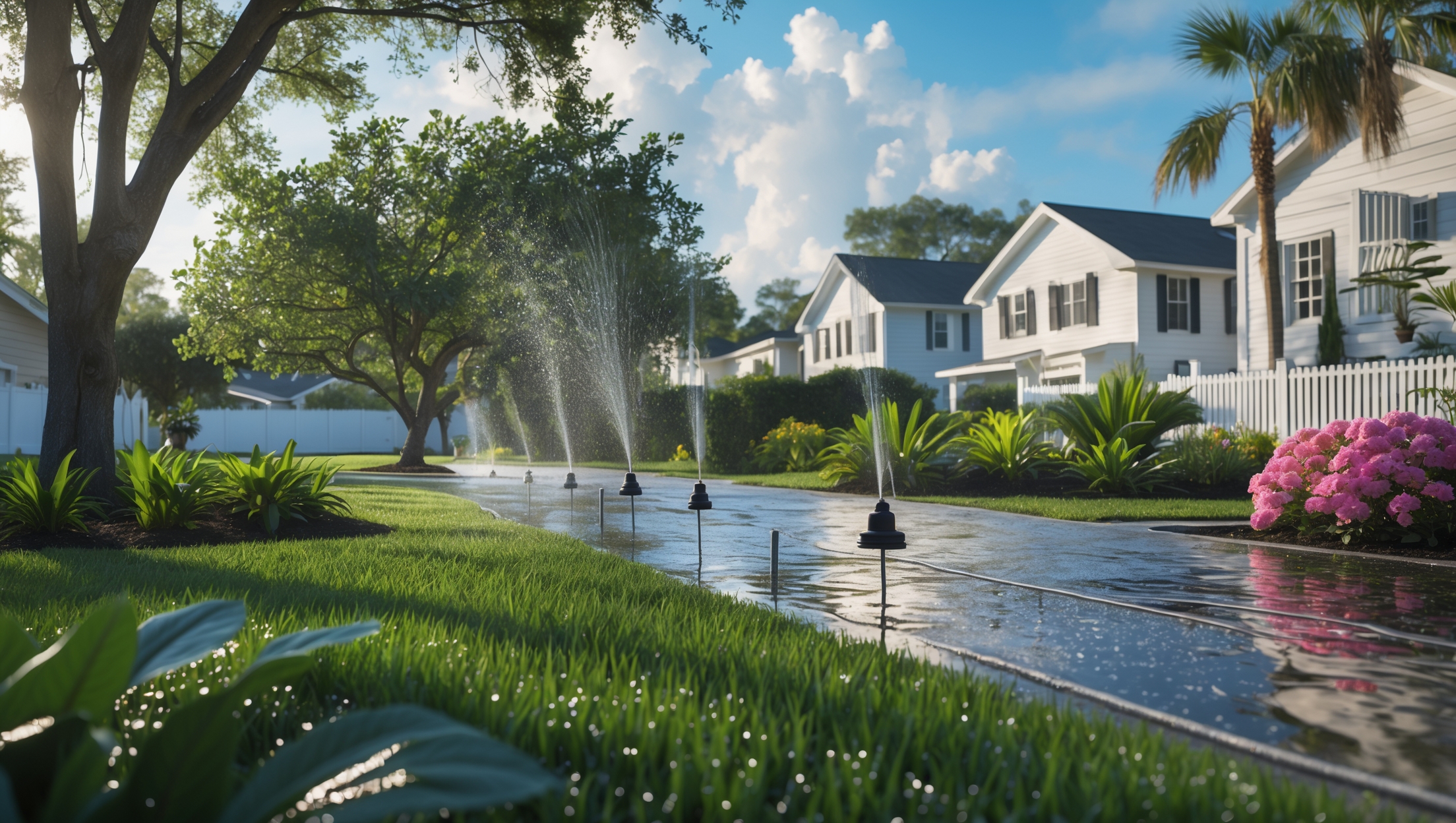
Introduction
Water is a precious resource in Southeast Seminole Heights, where long, hot summers and unexpected rain events can challenge even the most attentive gardener. Traditional irrigation systems often waste water and fail to adapt to the unique climate and soil conditions of this historic Tampa neighborhood. Enter smart irrigation systems: advanced, weather-adaptive solutions that precisely tailor watering schedules to your landscape’s real-time needs. For homeowners in Southeast Seminole Heights, installing a smart irrigation system is more than a modern upgrade—it’s a practical investment in water savings, healthier plants, and lower utility bills. This comprehensive guide walks you step-by-step through planning, installing, and maintaining a smart irrigation system designed specifically for Southeast Seminole Heights’ climate, soil, and local water restrictions. You’ll learn which features truly matter, how to avoid common installation pitfalls, and how to maximize the benefits year-round. Whether you’re replacing an outdated system or starting fresh, follow this expert roadmap to transform your yard into a thriving, efficient oasis.
Understanding Southeast Seminole Heights Climate and Soil
Local Weather Patterns
Southeast Seminole Heights experiences a humid subtropical climate: hot, wet summers and mild, drier winters. Rainfall is abundant from June to September, with afternoon thunderstorms common. Watering needs are drastically different between seasons, and smart irrigation systems can adapt to these fluctuations automatically.
Soil Composition
The neighborhood’s soils are typically sandy with moderate organic content, which drains quickly but struggles to retain moisture. This makes deep, less frequent watering more effective than shallow, daily irrigation. Understanding your yard’s soil profile helps in programming the right watering cycles and selecting the best sprinkler heads.
Water Restrictions and Local Ordinances
Hillsborough County enforces seasonal watering restrictions to conserve water. Smart systems with weather sensors and compliance features help you stay within legal guidelines while keeping your landscape healthy. Always check the latest county rules before setting up a new system.
Smart Irrigation System Basics
What Makes an Irrigation System “Smart”?
Smart irrigation controllers use Wi-Fi, weather data, soil moisture sensors, and evapotranspiration (ET) rates to automatically adjust watering schedules. These features prevent overwatering during rainy periods and under-watering during dry spells.
Key Components
- Smart Controller: The brain of the system, often app-connected and programmable.
- Weather Sensor: Detects rainfall, temperature, and humidity to adjust schedules.
- Soil Moisture Sensor: Measures soil wetness at the root level for targeted watering.
- Valves and Zones: Divides your yard into watering areas based on plant type and sun exposure.
- Sprinkler Heads/Drip Emitters: Distribute water efficiently to grass, beds, and shrubs.
Planning Your Smart Irrigation System
Assessing Your Yard
Start by mapping your property. Identify turf areas, flower beds, trees, and shaded zones. Note sun exposure, slope, and drainage patterns. Group plants with similar water needs into zones for optimal efficiency.
Choosing the Right System for Southeast Seminole Heights
Look for controllers with Florida-specific weather data integration, EPA WaterSense certification, and mobile app access. Brands like Rachio, RainMachine, and Hunter Hydrawise offer robust support and compatibility with local utility rebates.
Estimating Costs and Setting a Budget
- Smart Controller: $120–$350
- Weather/Soil Sensors: $40–$120 per sensor
- Valves, Pipes, Fittings: $300–$800 (depending on yard size)
- Sprinkler Heads/Drip Emitters: $2–$8 each; total varies by coverage
- Professional Installation (optional): $800–$2,500
DIY installation can save on labor, but factor in tool rentals and your own time. Some Hillsborough County rebates may offset upfront costs—check before purchase.
Permit and Compliance Notes
Most residential irrigation upgrades or replacements do not require a permit unless tapping into municipal water lines or making major plumbing changes. Check with the City of Tampa’s permitting office for your specific scope.
Pre-Installation Checklist
- Confirm water source (metered, well, or reclaimed water).
- Test water pressure (ensure 40–60 psi for most systems).
- Mark all underground utilities (call 811 or use local services).
- Gather tools: trenching shovel, PVC pipe cutter, wire strippers, multimeter, and smartphone/tablet for app setup.
- Purchase all system components and extra fittings.
- Plan installation for a dry, mild-weather weekend to minimize landscape disruption.
Step-by-Step Installation Guide
1. Layout and Trenching
Mark sprinkler and drip emitter locations using flags or stakes. Dig trenches 8–10 inches deep for main lines, keeping curves gentle to avoid pipe stress. Avoid root zones of mature trees when possible.
2. Installing Pipes and Valves
Lay out PVC pipes or flexible tubing according to your zone plan. Connect valves at a central manifold location, ideally near the water source. Use Teflon tape on threaded fittings to prevent leaks. Test-fit everything before glueing.
3. Wiring the System
Run low-voltage irrigation wire from the controller to each valve. Use waterproof wire connectors and bury wires at least 6 inches deep. Label wires by zone for easier troubleshooting later.
4. Placing Sprinkler Heads and Drip Emitters
Install sprinkler heads for turf zones, adjusting spray patterns to avoid overspray onto sidewalks or driveways. Use drip emitters or micro-sprays for beds and shrubs to conserve water. Flush lines thoroughly before attaching heads to clear debris.
5. Installing Smart Controller and Sensors
Mount the smart controller indoors (garage or utility room) or in a weatherproof outdoor enclosure. Connect to Wi-Fi and follow the manufacturer’s app instructions. Place weather and soil sensors in representative locations, away from direct irrigation spray and in partial shade if possible.
6. System Testing and Calibration
Turn on water and power. Test each zone for leaks, coverage, and pressure. Adjust sprinkler heads for even distribution. Use the app to run initial calibration cycles, inputting soil type, plant type, sun exposure, and slope as prompted.
Programming for Southeast Seminole Heights Conditions
Seasonal Scheduling
Set up the controller for seasonal variation: more frequent, shorter cycles in summer; less frequent, deeper cycles in winter. Enable “rain skip” and “freeze protect” features to avoid watering during storms or cold snaps.
Compliance with Local Water Restrictions
Program the system to water only on allowed days and times. Most smart controllers allow you to set restrictions by zip code. Hillsborough County typically permits watering twice weekly during dry seasons.
Maximizing Water Efficiency
- Use cycle-and-soak programming to prevent runoff on sandy slopes.
- Set different schedules for shaded vs. sunny zones.
- Adjust for rainfall and temperature automatically with weather data integration.
Maintenance Best Practices
Monthly Checks
- Inspect sprinkler heads and drip emitters for clogs or misalignment.
- Check for leaks at valves and pipe joints.
- Verify sensor connections and battery status.
- Update firmware on smart controllers as prompted.
Seasonal Adjustments
- Recalibrate schedules at the start of each season.
- Clean filters and flush lines to remove sediment.
- Review water bills for unusual spikes indicating leaks.
Common Troubleshooting Tips
- Brown spots: Check for blocked heads or underperforming zones.
- Overwatering: Revisit sensor calibration and program settings.
- Wi-Fi issues: Move the controller or install a range extender for a stronger signal.
Water Savings and Local Incentives
Calculating Potential Savings
Smart irrigation systems can reduce outdoor water use by 20–50% compared to conventional timers. For a typical 7,500-square-foot Southeast Seminole Heights yard, that could mean savings of 10,000–20,000 gallons per year—translating to hundreds of dollars on your annual utility bill.
Local Rebates and Support
Hillsborough County and Tampa Utilities often offer rebates for WaterSense-certified controllers and soil sensors. Check the county’s rebate page for current offers. Some rebates require pre-approval or post-installation inspection.
Environmental Benefits
Efficient irrigation reduces stormwater runoff, protects the Hillsborough River, and supports a healthier local ecosystem. Native plants and smart watering work together for a more resilient landscape.
Expert Tips for a Successful Installation
- Document your system layout with photos and diagrams for future repairs.
- Opt for pressure-regulated sprinkler heads to prevent misting and water loss.
- Install a rain barrel or cistern for supplemental irrigation of beds.
- Share your water savings with neighbors—many Southeast Seminole Heights residents are eager to adopt eco-friendly practices.
- Keep all manuals and Wi-Fi passwords in a safe, accessible place.
Conclusion
Smart irrigation systems are an ideal fit for Southeast Seminole Heights, where water conservation, local ordinances, and climate challenges intersect. By following this step-by-step guide, you’ll not only enhance your curb appeal but also make a meaningful impact on your water bills and the local environment. Remember to adapt your system to the unique needs of your yard: group plants with similar water requirements, select weather-adaptive controllers, and maintain your equipment regularly for lasting results. Take advantage of local rebates to offset costs, and don’t hesitate to consult local professionals for complex setups. As the neighborhood continues to blend historic charm with modern sustainability, your smart irrigation system will serve as both a practical upgrade and a contribution to a greener, more resilient community. With the right planning and ongoing care, your landscape can thrive—rain or shine—while setting a new standard for water-wise living in Southeast Seminole Heights.
How do I figure out the best watering schedule for my yard if the weather changes so much between the wet and dry seasons in Southeast Seminole Heights? Does the smart system automatically switch for me or do I need to set those adjustments myself?
Most smart irrigation systems have built-in weather sensors or connect to local weather data, so they can automatically adjust your watering schedule based on changing conditions. Once set up, the system typically reduces watering during the wet season and increases it in the dry season without you needing to manually change settings. Just make sure the weather adjustment feature is enabled in your system’s settings.
I see that deep, less frequent watering works best with our sandy soil. Can you recommend certain sprinkler head types or brands that are especially effective for these conditions?
For sandy soil and deep, infrequent watering, rotary or gear-driven sprinkler heads are a great choice since they deliver water slowly and evenly, allowing for better soil absorption. Popular brands like Rain Bird and Hunter offer models such as Rain Bird 5000 Series or Hunter PGP, both well-suited for these conditions.
If I’m replacing an old traditional system rather than starting from scratch, are there common installation pitfalls specific to the climate or soil here in Seminole Heights I should look out for during the upgrade?
When upgrading in Seminole Heights, be mindful of sandy soils, which may cause uneven water distribution if older emitters aren’t compatible with smart controllers. Also, check for root intrusion in existing lines and make sure new sensors are properly calibrated for our humid climate. Inspect for leaks or corrosion in old pipes before finalizing the upgrade.
Could you elaborate on how local water restrictions in Hillsborough County affect the scheduling features or capabilities of smart irrigation controllers you recommend?
Local water restrictions in Hillsborough County generally limit irrigation to specific days and times. Most smart irrigation controllers allow you to customize schedules to comply with these restrictions. You can easily program allowable watering days and set start and stop times, ensuring your system stays within local regulations while still optimizing water use.
Can you explain how smart irrigation systems handle those sudden afternoon thunderstorms we get in the summer? I’m worried about overwatering if storms pop up after the system already ran.
Smart irrigation systems use weather data and real-time rain sensors to adjust watering schedules automatically. If a sudden thunderstorm brings rain after a scheduled watering, many systems will skip or delay the next session to avoid overwatering. For the best results, make sure your system’s weather monitoring features and rain sensors are set up and calibrated for your area’s conditions.