
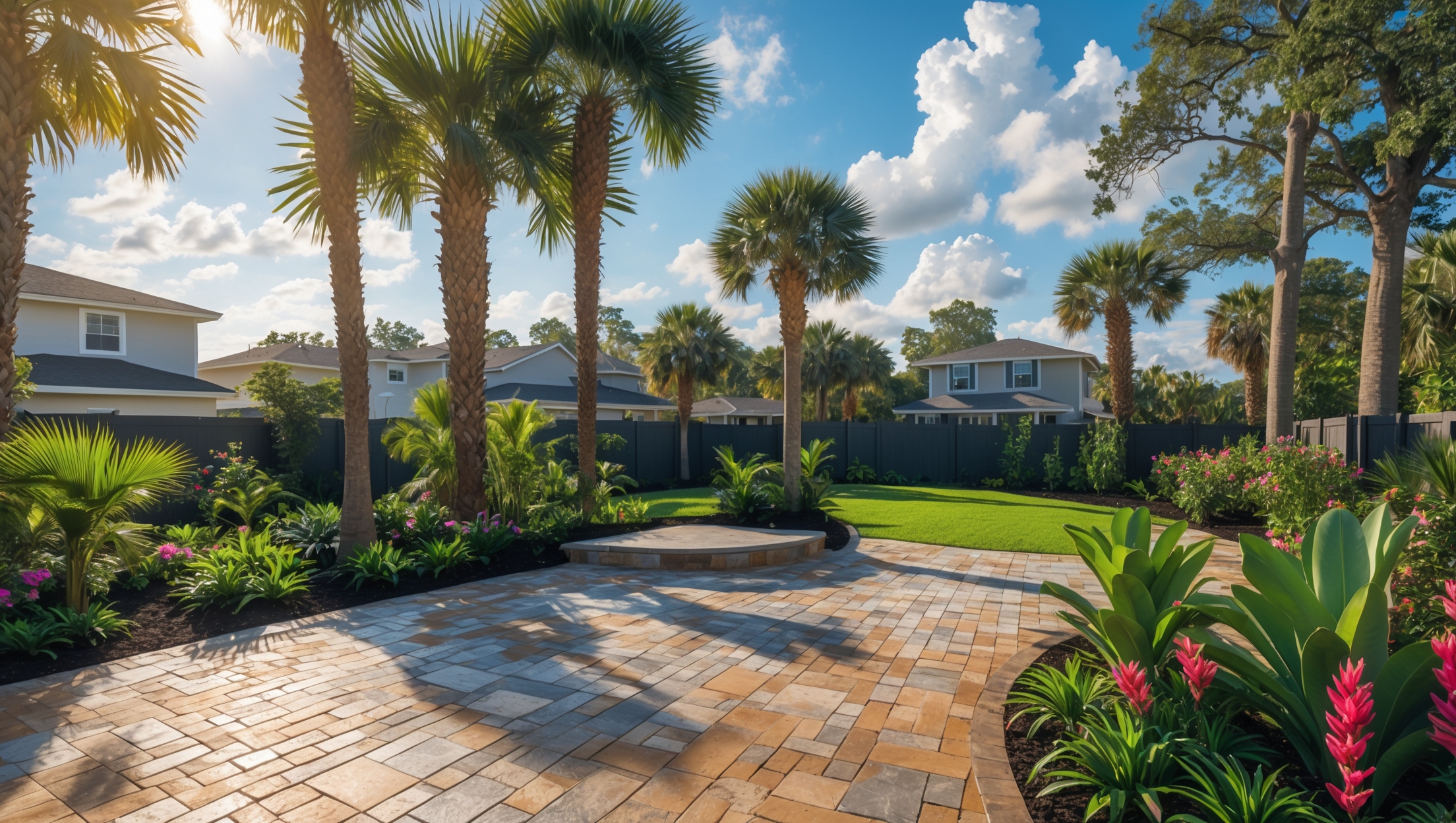
Creating a beautiful, functional patio isn’t just about adding value to your home—it’s about embracing the Southeast Seminole Heights lifestyle. In this vibrant Tampa neighborhood, outdoor living spaces are an extension of the home, offering a place to entertain, relax, and enjoy Florida’s signature sunshine. Whether you’re eyeing a cozy nook for morning coffee or a spacious area for gatherings, installing paver patios is a popular choice among homeowners. However, the unique soil conditions, subtropical climate, and local building nuances in Southeast Seminole Heights mean a one-size-fits-all approach won’t work here. Proper planning, material selection, and attention to drainage and maintenance are essential for a patio that stands the test of time—and the elements.
This comprehensive, step-by-step guide walks you through every stage of patio paver installation, tailored specifically for Southeast Seminole Heights. From selecting the right paver materials that withstand local weather to designing for optimal drainage, and maintaining your investment year after year, you’ll find actionable advice, practical checklists, and local insights. Whether you’re a first-time DIYer or a seasoned home improver, this guide empowers you to transform your outdoor space confidently while avoiding common pitfalls unique to our neighborhood.
Understanding Southeast Seminole Heights’ Unique Site Considerations
Soil and Grading Challenges
Patio installation in Southeast Seminole Heights often means dealing with a mix of sandy topsoil and underlying clay. This impacts how water drains and how stable your paver base will be. Before starting, assess your yard’s slope and soil composition. If your yard is flat or slightly sloped towards the house, you’ll need to address drainage proactively to avoid pooling water and foundation issues.
Climate Considerations
The subtropical climate brings heavy summer rains, high humidity, and occasional hurricanes. Paver patios must be resilient to rapid water flow, potential flooding, and intense sun exposure, which can cause fading or weed growth between pavers if not installed correctly.
Historic and Local Character
Many homes in Southeast Seminole Heights feature historic charm or unique architectural styles. Consider how your patio’s design, color, and materials will complement your home’s character and comply with any local historic district guidelines. Always check with the city’s planning department if your property falls within a designated historic zone.
Designing Your Patio: Size, Layout, and Functionality
Determining the Right Size
- Measure your available space, leaving at least 3 feet of clearance from property lines to comply with city setback requirements.
- Think function: a dining area typically needs at least 12×12 feet, while a reading nook might only require 6×8 feet.
- Account for existing landscaping, trees, and irrigation lines to avoid future conflicts.
Choosing a Layout
- Rectangular layouts suit modern homes and maximize usable space.
- Curved or freeform designs blend better with historic bungalows and lush, informal gardens.
- Consider adding a border or accent pattern to echo architectural details from your home.
Accessibility and Flow
- Ensure easy access from main entrances, avoiding step-ups or tripping hazards.
- Plan pathways with a minimum width of 36 inches for comfortable movement.
- Integrate lighting or conduit for future outdoor upgrades.
Material Selection: What Works Best in Southeast Seminole Heights
Paver Types and Their Pros & Cons
- Concrete Pavers: Affordable, widely available, and offered in various colors and sizes. Opt for high-density, UV-resistant varieties to reduce fading and algae buildup.
- Clay Brick Pavers: Timeless look that pairs well with historic homes. Very durable but can be more expensive and prone to moss growth if not sealed.
- Natural Stone: Options like travertine or flagstone provide a high-end look and stay cool underfoot. However, they require a well-prepared base and sealing against moisture intrusion.
Local Sourcing Tips
- Shop at Tampa-area suppliers for access to pavers rated for Florida’s climate.
- Ask for pavers with slip-resistant surfaces, especially important during the rainy season.
- For historic homes, check local salvage yards for reclaimed brick or stone that matches existing details.
Drainage: The Most Overlooked Step
Site Assessment and Planning
Improper drainage is the top reason patios fail in Southeast Seminole Heights. Water should always flow away from your home and patio surface. Before you dig, observe your yard after a heavy rain to identify natural drainage patterns.
Essential Drainage Solutions
- Graded Base: Slope your patio surface at least 1/4 inch per foot away from the house.
- Permeable Pavers: Consider permeable varieties that allow water to filter through, reducing runoff and standing water.
- French Drains: If your yard is prone to flooding, install a French drain beneath or alongside the patio to redirect water.
- Edge Restraints: Install sturdy edges to hold pavers in place and prevent soil washout.
Step-by-Step Installation Guide
1. Preparing the Site
- Mark out your patio area using stakes and string.
- Excavate the area to a depth of 6–8 inches (deeper for driveways or high-traffic spaces).
- Remove all grass, roots, and debris. Compact the subsoil using a plate compactor.
2. Laying the Base Material
- Spread a 4–6 inch layer of crushed limestone or road base. This provides stability and promotes drainage.
- Compact thoroughly in 2-inch increments to prevent settling.
- Check your slope continuously with a level.
3. Adding the Sand Layer
- Apply a 1-inch layer of coarse bedding sand.
- Screed the sand level using a straight board and pipes as guides for an even surface.
4. Placing the Pavers
- Lay pavers in your chosen pattern, starting from one corner and working outward.
- Leave a 1/8-inch gap between pavers for sand and expansion.
- Use a rubber mallet to tap each paver into place, ensuring they sit level with neighbors.
5. Cutting and Fitting
- Mark pavers that need trimming with chalk.
- Cut using a wet saw or paver splitter. Always wear safety glasses and gloves.
6. Installing Edge Restraints
- Secure the patio perimeter with plastic, metal, or concrete edge restraints to prevent shifting.
7. Sanding and Compacting
- Spread polymeric sand or fine joint sand over the patio.
- Sweep sand into joints, then run the plate compactor over the entire surface to settle the pavers.
- Repeat with more sand as needed until joints are tightly filled.
8. Final Clean-Up
- Blow or sweep away excess sand.
- Lightly hose down the patio to help sand settle, but avoid flooding the joints.
- Inspect for low spots or uneven areas and adjust as necessary.
Permits and Local Regulations
When You Need a Permit
For standard ground-level patios, a permit is usually not required in Southeast Seminole Heights. However, if your project involves structural changes, raised decks, retaining walls, or significant grading, check with the City of Tampa’s permitting office. Always confirm requirements before starting to avoid costly redos.
Historic District Guidelines
If your home falls within a local historic district, additional review may be needed for material choice and placement to preserve neighborhood character. Submit a site plan and paver samples for approval if necessary.
Maintenance Best Practices for Lasting Beauty
Seasonal Cleaning
- In spring and fall, sweep regularly to remove organic debris that can cause staining or weed growth.
- Pressure wash annually at low to moderate pressure to prevent sand loss and maintain a fresh look.
Joint Care and Weed Prevention
- Top up polymeric sand every 1–2 years to keep joints tight and inhibit weed growth.
- Treat sporadic weeds with a vinegar-based solution rather than harsh chemicals to protect local groundwater.
Addressing Settling or Shifting
- Monitor for low spots after heavy rains. If found, lift affected pavers, add sand, and re-level.
- Recompact as needed, especially after the first rainy season.
Sealing Pavers
- Apply a breathable sealant every 3–5 years to protect against stains, algae, and fading. Choose products rated for Florida conditions.
Troubleshooting Common Patio Problems in Southeast Seminole Heights
Poor Drainage and Puddling
- Check that surface slope is consistent. Add or adjust drains if water persists.
- For severe cases, consult a landscape drainage expert familiar with Tampa’s stormwater codes.
Efflorescence (White Residue)
- Common with concrete pavers in humid climates. Clean with a specialized efflorescence remover or diluted vinegar.
- Seal pavers to minimize recurrence.
Moss and Algae Growth
- Increase sunlight exposure by trimming overhanging vegetation.
- Use a stiff brush and mild detergent for cleaning; avoid bleach to protect your landscape.
Enhancing Your Patio: Local Features and Upgrades
Outdoor Kitchens and Grills
Plan plumbing and gas line access before installation. Use fire-rated pavers or add a concrete pad for grill stations.
Shade Structures
Consider pergolas, retractable awnings, or even mature live oaks for shade. Anchor structures securely to withstand summer storms.
Florida-Friendly Landscaping
- Border your patio with native plants like coontie, firebush, or muhly grass for low-maintenance beauty.
- Install rain gardens or bioswales nearby to manage roof runoff and support local pollinators.
Cost Breakdown and Budgeting Tips
Material Costs
- Concrete pavers: $2–$4 per square foot.
- Clay brick: $4–$8 per square foot.
- Natural stone: $8–$15+ per square foot.
Base and Drainage Materials
- Limestone base: $30–$50 per cubic yard.
- Sand: $25–$40 per ton.
- Drainage pipes or French drain kits: $50–$200 depending on length and complexity.
DIY vs Pro Installation
- DIY can save 30–50% on labor. Expect to invest in tool rentals (plate compactor, wet saw) for $75–$150/day.
- Professional installation in Tampa typically runs $10–$20 per square foot all-in, but includes base prep, drainage, and warranty.
Conclusion: Building Your Best Outdoor Space
Installing a patio with pavers in Southeast Seminole Heights is more than a simple weekend project—it’s an investment in your home’s value, resilience, and everyday enjoyment. By accounting for neighborhood-specific details like soil type, drainage, and climate, you’ll ensure your patio not only looks stunning but also stands up to Florida’s demanding weather for years to come. The right material choice, proper grading, and ongoing maintenance are your keys to success. Remember, skipping steps or cutting corners can lead to costly repairs down the road, especially in our flood-prone region. Take time to plan, use quality materials, and pay attention to drainage from the start.
Whether you tackle the project yourself or partner with a local pro, your new patio will quickly become the heart of your outdoor living. Imagine morning coffees under the oaks, evening barbecues with neighbors, and a cool retreat from the summer heat—all in a space custom-built for Southeast Seminole Heights living. As you enjoy your finished patio, keep up with seasonal care, tune into local landscaping trends, and don’t hesitate to upgrade with features that enhance your lifestyle. With careful planning and local know-how, your paver patio will be a long-lasting asset and a source of pride for years to come.
Can you explain more about how to properly assess and adjust the slope of my yard before installing paver patios, especially if my property is really flat? I want to make sure I avoid pooling near the foundation.
To prevent pooling, you’ll want a slope of about 1/4 inch per foot away from your foundation. Use a long level or a taut string with a line level to measure the slope. If your yard is very flat, add soil or sand to build the necessary slope before laying pavers. Always direct water flow away from your home’s foundation.
If I’m maintaining my patio year after year, what are the top issues that homeowners in Southeast Seminole Heights run into because of the local climate? Any preventative tips?
In Southeast Seminole Heights, humidity and heavy rain can cause weed growth between pavers, shifting or settling, and mildew buildup. To prevent these issues, regularly sweep and clean the patio, inspect for loose pavers, reapply joint sand as needed, and use a sealant to protect against moisture and stains.
I’m interested in low-maintenance options—are there specific paver materials or sealing techniques that handle the heavy rains and humidity better in this area?
For Southeast Seminole Heights, concrete and porcelain pavers are very popular low-maintenance options since they resist mold and staining in humid, rainy conditions. Sealing your pavers with a high-quality, penetrating sealer further protects against moisture and helps prevent weed growth. Resealing every few years keeps them looking good and shields them from the region’s heavy rains.
I noticed you mention the mix of sandy topsoil and clay in Southeast Seminole Heights. Do you recommend any specific base layering techniques or products to handle this combination for longer-lasting paver stability?
For areas with a sandy topsoil and clay mix, it’s best to start with a compacted crushed limestone or granite base, about 4-6 inches deep. Add a geotextile fabric between the soil and base to prevent mixing and improve drainage. Top with a 1-inch layer of bedding sand before laying the pavers for optimal stability.