
Introduction: Why Gutters Matter in Southeast Seminole Heights
Southeast Seminole Heights is beloved for its historic bungalows, vibrant tree canopy, and unique Florida charm. But with Tampa’s heavy summer downpours, afternoon thunderstorms, and subtropical storms, water management is a constant concern for local homeowners. Gutters play a crucial—yet often overlooked—role in protecting your property from water damage, wood rot, soil erosion, and even the dreaded foundation issues that can threaten older homes. However, not all gutter systems are created equal, and Southeast Seminole Heights presents specific challenges and opportunities when it comes to design, materials, and maintenance. In this in-depth guide, you’ll learn exactly how to choose, upgrade, and maintain gutters that stand up to local weather, preserve your home’s historic appeal, and save you money and headaches in the long run.
Understanding Gutter Challenges Unique to Southeast Seminole Heights
Heavy Rainfall and Flash Flooding
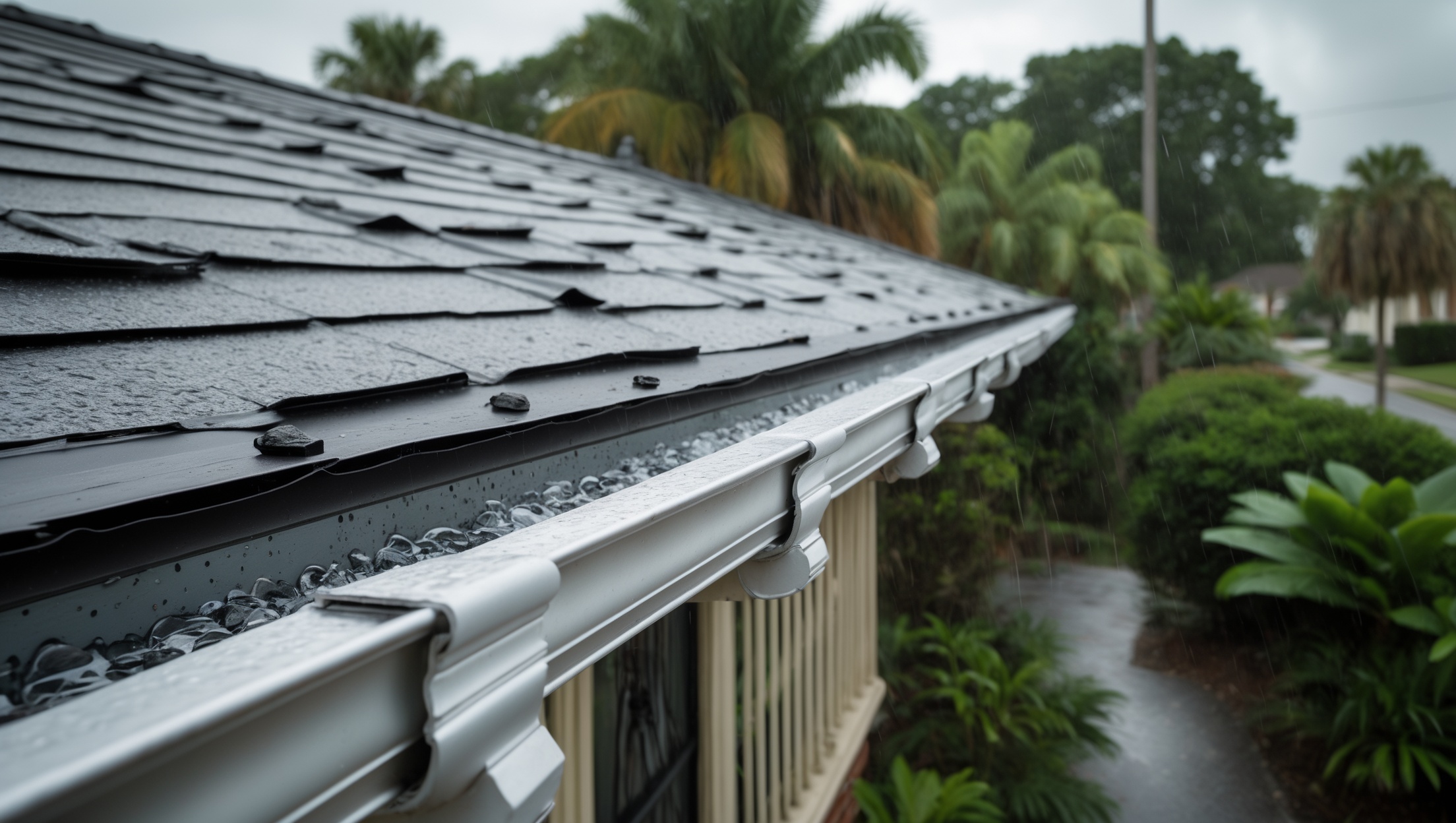
Our neighborhood’s weather patterns mean gutters must handle sudden, intense downpours—often dropping several inches in an hour. Standard undersized gutters may overflow, leading to water pooling near foundations, damaging landscaping, or even seeping into crawl spaces common in older homes.
Historic Architecture Considerations
Many Southeast Seminole Heights houses feature historic eaves, decorative rafter tails, or unique rooflines. Installing modern gutters without careful planning can detract from the home’s character or violate historic preservation guidelines. Compatibility and aesthetics are as important as function.
Tree Debris and Local Vegetation
Our dense live oaks and palms create a leafy paradise, but they also drop leaves, twigs, and seeds into gutters year-round. Clogged gutters are a maintenance headache and can cause water to back up into the roof or fascia.
Choosing the Right Gutter Materials for Tampa’s Climate
Aluminum Gutters
Pros: Lightweight, rust-resistant, affordable, and available in seamless options that minimize leaks. Powder-coated finishes can be matched to historic color palettes.
Cons: Susceptible to denting from falling branches or heavy ladders; lifespan is typically 20+ years with maintenance.
Copper Gutters
Pros: Extremely durable (lasts 50+ years), develops a beautiful patina, and is often approved for historic homes. Resistant to the local humidity and salty air.
Cons: Expensive to purchase and install, and may attract thieves due to material value.
Galvanized Steel Gutters
Pros: Very strong and dent-resistant, affordable.
Cons: Prone to rust if not properly maintained or coated, which is a concern in Florida’s wet climate.
Vinyl Gutters
Pros: Inexpensive and easy for DIY installation.
Cons: Prone to UV damage, cracking, and warping in Florida’s sun; not recommended for long-term use in this region.
Gutter Styles and Sizing: What Works for Local Homes
K-Style vs. Half-Round
- K-Style: Common for modern installations, holds more water than half-round, and suits most rooflines. Can be blended with period-appropriate colors for historic homes.
- Half-Round: Traditional, often required by historic preservation boards. Sheds debris more easily due to the curved shape but holds less water—larger sizes may be needed for Tampa storms.
Gutter Size Recommendations
- 5-inch gutters: Standard for most homes, but may overflow in downpours.
- 6-inch gutters: Recommended for homes with large roof surfaces, steep pitches, or areas with frequent heavy rainfall (like Southeast Seminole Heights).
Always pair oversized gutters with appropriately sized downspouts—3×4-inch or larger—to handle the increased water flow.
Downspout Placement and Extensions: Local Best Practices
Strategic Placement
Downspouts should be placed at the lowest points of the roof and at intervals no more than 40 feet apart. For complex rooflines or historic bungalows with multiple roof sections, additional downspouts may be required to prevent overflow.
Extensions and Splash Blocks
- Extensions: Direct water at least 3-4 feet away from your foundation. In areas with poor drainage or sloping lots, consider flexible underground extensions to route water safely to the curb or storm drain.
- Splash Blocks: Essential for preventing soil erosion near foundations. Choose durable concrete or decorative stone for a historic look.
Leaf Guards and Debris Solutions
Types of Gutter Guards
- Mesh Screens: Affordable, effective for blocking large debris, but may require periodic cleaning to remove fine particles.
- Reverse Curve: Channels water into the gutter while shedding leaves. More expensive, but can be a low-maintenance solution for homes under heavy tree cover.
- Foam Inserts: Easy DIY option, but can degrade in Florida’s heat and may foster mold in humid months.
Local Considerations
Choose guards rated for heavy rain, and ensure they’re installed with enough pitch to prevent water from running over during storms. For historic homes, select unobtrusive options that don’t change the gutter profile.
Installation: Professional vs. DIY in Southeast Seminole Heights
When to Hire a Pro
- Homes with complex or high rooflines
- Historic homes where special fasteners or hidden hangers are needed to preserve architecture
- Seamless gutter installation (requires specialized equipment)
DIY Tips for Homeowners
- Always use ladders on level, stable ground—avoid working alone
- Use stainless steel fasteners to prevent corrosion in humid air
- Double-check slope: gutters should drop 1/4 inch for every 10 feet toward the downspout
- Seal all joints with a high-quality, UV-resistant gutter sealant
Maintenance Strategies for Maximum Gutter Longevity
Routine Cleaning Schedule
In Southeast Seminole Heights, plan to clean gutters at least three times per year—early spring (after pollen drop), midsummer (after storms), and late fall (after leaf drop). Homes under heavy tree cover may need quarterly cleaning.
Inspection Checklist
- Check for sagging or detached sections
- Look for peeling paint or rust (a sign of standing water)
- Inspect downspouts for clogs—flush with a hose if needed
- Ensure extensions are directing water away from the foundation
- Monitor for signs of mold or algae growth
Preventative Upgrades
- Install splash guards at roof valleys to prevent overshooting in heavy rain
- Replace old or rusted hardware with stainless steel or coated fasteners
- Consider repainting gutters with high-quality exterior paint to prolong life
Addressing Common Gutter Problems in Local Homes
Overflow and Water Pooling
Overflow is often caused by undersized gutters or clogged downspouts. Upgrade to larger sizes and add guards if needed. For pooling, check that landscaping slopes away from the house and that extensions are properly installed.
Leaking Joints
Older sectional gutters are prone to leaks at seams. Clean and dry the area, then reseal with gutter-specific sealant. For persistent issues, consider replacing with seamless gutters.
Detached Gutters and Fascia Rot
Gutters pulling away signal damaged fascia boards (often caused by trapped moisture). Replace any rotten wood and use hidden hangers for a secure, inconspicuous attachment—important for maintaining historic looks.
Cost Breakdown: Gutter Upgrades and Maintenance in Southeast Seminole Heights
Installation Costs (2024 Estimates)
- Aluminum seamless gutters: $8–$12 per linear foot, including installation
- Copper gutters: $25–$40 per linear foot
- Gutter guards: $5–$12 per linear foot (varies by type)
- Downspout extensions: $10–$30 each for above-ground, $100+ for underground
Total cost for a typical 1,500 sq. ft. bungalow: $1,200–$2,500 for aluminum, $4,000–$7,000+ for copper, depending on complexity and options.
Ongoing Maintenance Costs
- Professional gutter cleaning: $100–$200 per visit
- DIY cleaning: Minimal cost; invest in a quality ladder and gloves
Neglecting gutter maintenance can result in much higher repair bills from foundation damage, wood rot, or landscaping erosion—often $5,000 or more per incident.
Gutter Upgrades and Historic Preservation Guidelines
For homes in Southeast Seminole Heights’ historic districts, gutter replacement or upgrades may require review by the Architectural Review Commission. When planning a project:
- Choose styles that match original profiles (often half-round or custom box gutters)
- Use period-appropriate materials or finishes
- Work with contractors experienced in historic restoration
- Submit detailed plans/photos for approval before starting work
Following guidelines preserves neighborhood character and avoids costly rework or fines.
Water Management Beyond the Gutter: Yard Drainage Tips
Even the best gutters can’t fully protect your home if yard drainage is poor. Southeast Seminole Heights’ flat terrain and occasional flooding mean you may need to combine gutter upgrades with landscape improvements:
- Add French drains to carry water from downspouts away from foundations
- Regrade soil to slope away from the house by at least 6 inches over 10 feet
- Install rain gardens or permeable pavers to absorb runoff
- Consider rain barrels (check local ordinances for allowed setups)
Conclusion: Protecting Your Southeast Seminole Heights Home for the Long Term
Effective gutters are more than just an afterthought—they’re a vital defense against the unique weather, architectural, and environmental challenges faced by Southeast Seminole Heights homeowners. By choosing the right materials and sizes, planning for proper drainage, and committing to regular maintenance, you can preserve your home’s beauty and structural integrity for decades to come. Whether you’re restoring a historic bungalow or upgrading a newer property, investing in your gutter system pays off through reduced repair costs, fewer headaches, and a more resilient home.
Remember, every house is different. Take time to assess your specific roofline, tree cover, and drainage needs. Consult with local professionals familiar with historic preservation and Florida’s climate when in doubt. And most importantly, don’t wait for the next thunderstorm to reveal a problem—proactive upgrades and maintenance are the best insurance against Southeast Seminole Heights’ unpredictable weather. With the right approach, your gutters will quietly do their job, rain or shine, keeping your home safe, dry, and beautiful for years to come.