
Introduction: Why the Right Tools Matter in Southeast Seminole Heights
Whether you’re tackling a long-awaited bathroom refresh or repairing a timeworn porch, having the right tools at your side is the first step toward success. For homeowners and DIYers in Southeast Seminole Heights, the unique blend of historic homes, variable weather, and local building quirks means your toolkit needs to be up to the challenge. From classic Craftsman bungalows to mid-century ranches, every renovation project in our neighborhood demands a thoughtful approach to tools and equipment. But what should be in your arsenal? How do you choose between quality and budget? And what local factors—like humidity, older construction materials, or Florida’s subtropical pests—should influence your buying and maintenance decisions?
This in-depth guide will break down the must-have tools for Southeast Seminole Heights projects—from hand tools to power equipment, seasonal maintenance gear to specialty items for historic homes. We’ll also cover how to maintain your tools in our climate, where to source reliable equipment locally, and which pro-level picks are worth the investment. Whether you’re a first-time homeowner, weekend warrior, or seasoned renovator, this guide will help you build, maintain, and use your toolkit with confidence—so your next project is safer, smoother, and more rewarding.
Understanding Southeast Seminole Heights: Local Considerations for Your Toolkit
Historic Home Challenges
Many homes in Southeast Seminole Heights date back to the early- to mid-20th century. This means thicker plaster walls, original hardwoods, and sometimes non-standard fasteners or materials. Your toolkit needs to be adaptable and robust enough to handle these quirks.
- Heavier-duty pry bars: For removing old trim or lath without damaging irreplaceable materials.
- Oscillating multi-tools: Essential for precise cuts in tight spaces and retrofits.
- Moisture meters: For detecting hidden water damage in older wood or plaster.
Florida Climate Factors
High humidity and frequent rain can take a toll on tools and materials. Rust, mold, and swelling are common issues, so stainless steel or rust-resistant finishes are important. Power tools should also be stored in climate-stable environments when possible.
- Stainless steel hand tools are more resistant to rust.
- Dehumidifiers or silica gel packs help protect tool storage areas.
- Outdoor-rated extension cords are a must for yard or exterior projects.
Pest and Wildlife Considerations
Termites, rodents, and other pests are common in the area. Some tools, like moisture meters and inspection mirrors, help spot problem areas before starting work. Properly sealed storage will prevent critters from nesting in toolboxes or garages.
Must-Have Hand Tools for Southeast Seminole Heights DIYers
Core Hand Tools Checklist
- Hammer (16–20 oz. claw): Versatile enough for framing, demolition, and finish work.
- Multi-bit screwdriver set: For everything from outlet covers to assembling furniture.
- Adjustable wrench: Useful for plumbing and tightening odd-sized fasteners.
- Needle-nose and slip-joint pliers: For electrical work, gripping, and bending.
- Utility knife with spare blades: For cutting drywall, insulation, and caulking.
- Chalk line: Indispensable for marking straight lines on walls or floors.
- Level (24”+): Ensures everything you install is square and true—especially important in older homes where nothing is quite plumb.
- Stud finder: For securely anchoring shelves and cabinets in both plaster and drywall.
Local Pro Recommendations
- Japanese pull saw: Preferred by local carpenters for smooth, precise cuts in old wood or trim.
- Pry bar set: Go for flat and cat’s paw types for tackling stubborn finish carpentry details.
- Moisture meter: A must for identifying hidden rot in crawl spaces or under floors.
Essential Power Tools for Home Projects
Power Tools Every Homeowner Should Own
- Cordless drill/driver (18V or higher): For drilling, driving screws, and mixing paint or mortar (with attachments).
- Orbital sander: Perfect for prepping historic woodwork or blending patch repairs.
- Jigsaw: For cutting curves or notching trim around irregular walls—common in older homes.
- Circular saw: For larger cuts in framing, decking, or plywood.
- Oscillating multi-tool: Handles everything from plunge cuts to grout removal, especially handy for restorations.
Power Tool Buying Tips for Our Climate
- Look for sealed bearings and weather-resistant housings to prevent corrosion.
- Buy lithium-ion batteries for cordless tools; they handle humidity better and hold charge longer in the heat.
- Keep silica gel packs in your tool cases to absorb moisture.
Pro-Level Picks Worth the Investment
- Laser level: Makes hanging cabinets or aligning tile far easier, with pinpoint accuracy.
- HEPA shop vacuum: Essential for dust control, especially with older homes that may have lead paint or asbestos risks.
- Portable work light (LED): With our short winter days, a bright, movable light is crucial for attic, crawl space, or porch jobs.
Outdoor & Yard Tools: What Every Southeast Seminole Heights Home Needs
Yardwork Essentials
- Lawn mower (electric or gas): Choose a model suited for thick St. Augustine or Bahia grass, common in our area.
- String trimmer: For edging along walks and driveways, especially where roots and old pavers are present.
- Leaf blower (battery-powered is quieter): Useful for clearing live oak leaves and storm debris.
- Pruning shears and loppers: Keep subtropical growth in check, especially around fences and utility lines.
- Garden hose with adjustable nozzle: Look for kink-resistant hoses since our heat and sun can quickly degrade cheap models.
Storm Prep & Seasonal Tools
- Manual pole saw: For trimming overhanging branches before hurricane season.
- Sandbag scoop: Makes quick work of filling and stacking sandbags during flood threats.
- Heavy-duty wheelbarrow: For moving mulch, debris, or storm-damaged branches.
Specialty Tools for Historic Home Projects
Southeast Seminole Heights is rich in character—and that means unique renovation challenges. Here are tools local pros rely on for restoring and preserving historic details:
- Plaster repair trowels: For patching original walls and ceilings.
- Small paint sprayer: Makes refinishing vintage trim and doors easier, with a smoother finish.
- Inspection camera (borescope): Lets you look inside walls or under floors before cutting—crucial for avoiding old wiring or plumbing.
- Precision chisels: For restoring window sashes and decorative woodwork.
Tool Maintenance: Extending the Life of Your Investments
Rust Prevention in a Humid Climate
- Wipe down metal tools with a light oil or silicone spray after each use.
- Store tools on wall racks or in ventilated toolboxes to promote airflow.
- Use desiccants in enclosed storage spaces, especially during the rainy season.
Sharpening and Calibration
- Sharpen blades and bits regularly—dull tools are dangerous and damage materials.
- Check levels and tape measures for accuracy every few months, especially if dropped.
- Clean power tool vents to prevent overheating and electrical issues.
Battery Care
- Store lithium-ion batteries indoors, never in hot sheds or garages.
- Charge batteries before they’re fully drained to extend their lifespan.
- Label each battery with its purchase date for easy tracking.
Where to Buy and Rent Tools Locally
Neighborhood Hardware Stores
While big-box retailers have their place, supporting local hardware stores means getting tools and advice tailored to historic and subtropical homes. Knowledgeable staff can recommend the best products for the area and often stock specialty items you won’t find elsewhere.
Tool Rental Options
For one-off projects, renting from a local shop can save money and storage space. Popular rental items include:
- Floor sanders
- Tile saws
- Power augers
- Scaffolding
Always inspect rental tools for wear and test them before leaving the store.
Secondhand and Refurbished Tools
Local flea markets and online marketplaces can be a treasure trove for quality used tools. Look for brands known for durability, and always check for excessive rust, frayed cords, or missing safety features before purchasing.
Tool Storage Solutions for Southeast Seminole Heights Homes
Small Spaces & Historic Homes
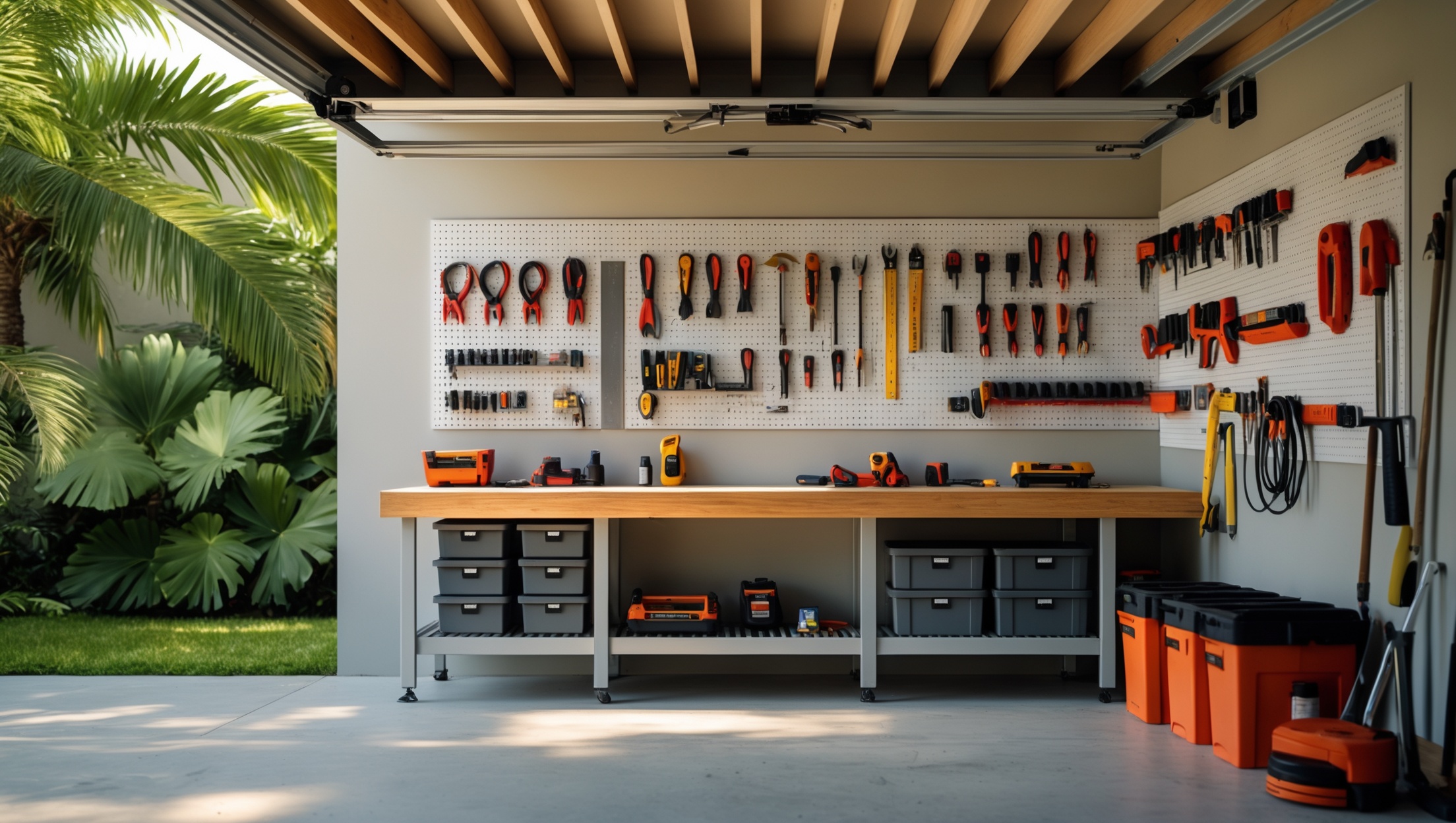
- Pegboard walls: Maximize vertical space in small garages or utility rooms.
- Weather-sealed storage bins: Protect power tools from humidity and pests.
- Lockable cabinets: Essential for homes with children or shared spaces.
Mobile Toolkits
If you’re working on multiple projects around the house, invest in a rolling toolbox or tool tote. This keeps essentials handy and reduces trips back and forth to the garage or shed.
Safety Gear: Don’t Skimp on Protection
- N95 dust masks: Especially important when working with old paint, insulation, or during demolition.
- Safety glasses and hearing protection: Prevent injuries from flying debris and loud tools.
- Work gloves: Choose cut-resistant gloves for demolition and nitrile gloves for painting or chemical work.
- First aid kit: Keep one in your workshop or wherever you store tools.
Budgeting for Your Toolkit: Buy, Rent, or Borrow?
Strategic Purchasing
Invest in high-quality versions of tools you’ll use often, like drills, hammers, and saws. For specialty projects, consider renting or borrowing from neighbors or local tool libraries.
- Starter budget: $250–$400 will cover the basics for most small repairs.
- Power tool essentials: Plan $100–$300 per tool for reputable brands.
- Seasonal yard tools: Buy off-season for the best deals.
Expert Tips for Building Your Southeast Seminole Heights Toolkit
- Ask neighbors or local contractors about their favorite brands and where to find service or parts.
- Label your tools with your name and phone number—tool theft is not uncommon, especially during large renovation projects.
- Keep an inventory of your tools (with receipts) for insurance purposes.
- Take advantage of local hardware store classes or clinics to learn how to use new equipment safely and efficiently.
Conclusion: Equipping Yourself for Success in Southeast Seminole Heights
A well-curated toolkit is more than just a collection of gadgets—it’s an investment in your home’s longevity, your personal safety, and the success of every project you take on. In Southeast Seminole Heights, where historic character meets subtropical challenges, your tools must be reliable, versatile, and well cared for. By choosing tools designed for our climate and home styles, maintaining them with regular care, and sourcing them locally when possible, you set yourself up for smoother renovations and fewer headaches.
Remember, you don’t have to buy everything at once. Start with the essentials, add specialty tools as your projects demand, and don’t hesitate to rent or borrow for one-time tasks. Most importantly, never overlook safety gear—protecting yourself is the best way to ensure your projects are enjoyable and successful. By following the tips and recommendations in this guide, you’ll be ready to tackle any home improvement challenge Southeast Seminole Heights can throw your way. Here’s to empowered, safe, and satisfying DIY—all powered by the right tools!