
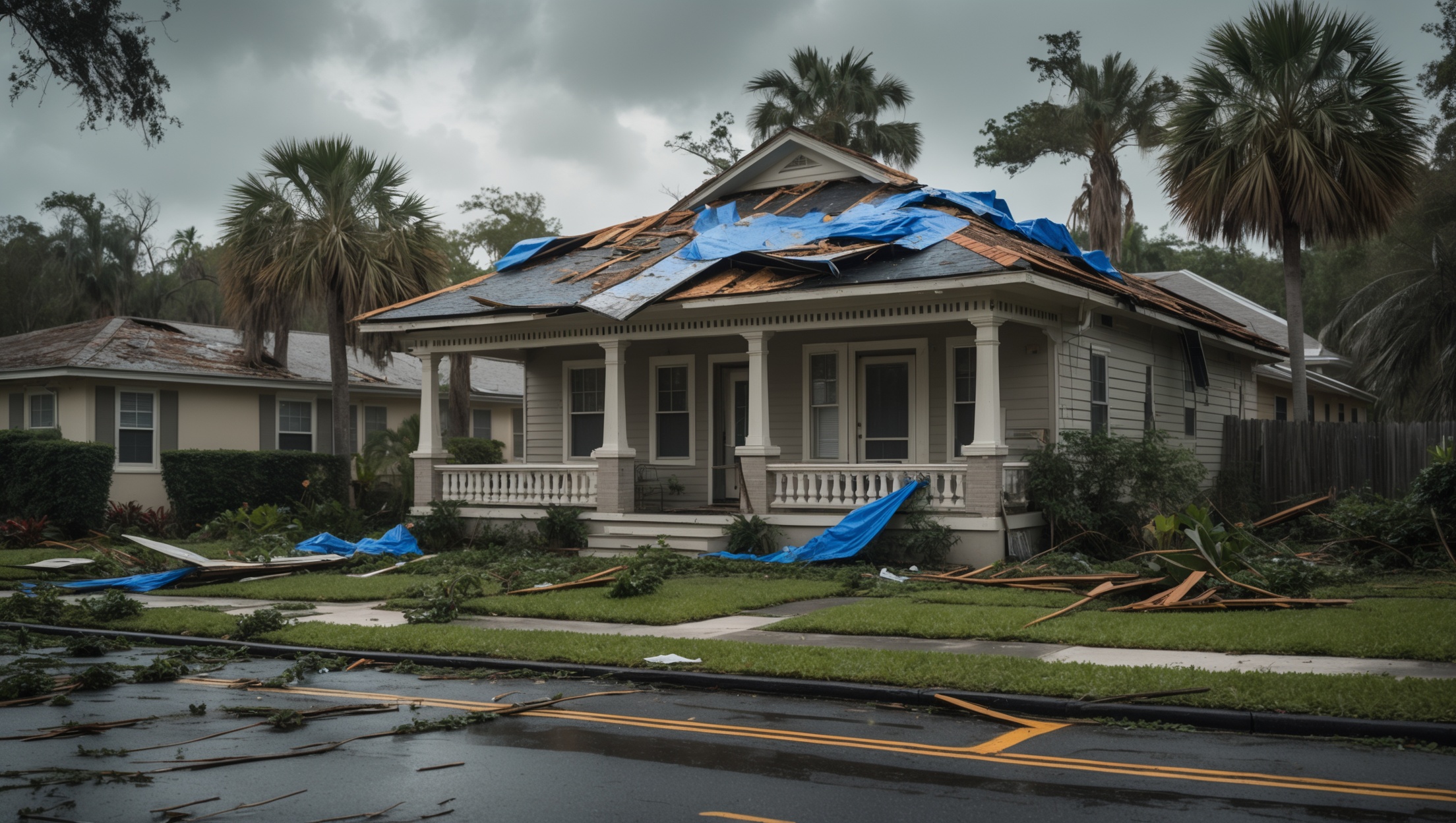
Introduction: Why Storm Damage Insurance Claims Matter in Southeast Seminole Heights
Southeast Seminole Heights is no stranger to wild weather. From fierce summer thunderstorms to the occasional hurricane, local homeowners often find themselves dealing with the aftermath of wind, rain, and flying debris. When storm damage strikes, navigating the insurance claim process can feel overwhelming—especially with the unique challenges posed by historic homes, local building codes, and fluctuating Florida insurance regulations. Yet, how you approach your claim can make a world of difference in both the speed and the success of your repairs.
This in-depth guide is tailor-made for Southeast Seminole Heights residents who want to approach storm damage claims with confidence. We’ll walk you through each step, highlighting local factors that impact your claim, sharing practical tips from insurance and renovation experts, and pointing out common pitfalls that could delay or reduce your payout. Whether you’re dealing with a damaged roof, water intrusion, or fallen trees, you’ll find actionable guidance to help restore your home—and peace of mind—after the storm.
Understanding Your Policy: Key Coverage Points for Southeast Seminole Heights Homes
Review Your Policy Details Before Disaster Strikes
Not all homeowners insurance policies are created equal—especially in Florida. Before you need to file a claim, take the time to read through your policy. Pay close attention to:
- Wind and Hurricane Deductibles: Florida policies often have higher deductibles for wind and named storm events. Know what portion you’ll be responsible for.
- Exclusions: Flood damage, mold, and sewer backups are typically excluded from standard policies. Consider supplemental coverage if you’re in a flood zone or have an older plumbing system.
- Replacement Cost vs. Actual Cash Value: Replacement cost covers the full cost to repair or replace, while actual cash value subtracts depreciation. Understand which applies to your structure and personal property.
- Ordinance or Law Coverage: Historic and older homes may require upgrades to meet current codes during repairs. This coverage helps pay for those extra costs.
Special Considerations for Historic and Older Homes
Southeast Seminole Heights boasts many pre-WWII bungalows and masonry homes. Insurance for older structures can be tricky:
- Confirm that your policy doesn’t have exclusions for pre-existing deterioration or outdated materials (like knob-and-tube wiring).
- Ask your agent about limitations on matching materials, which is important for maintaining historic appearance during repairs.
- Check if your policy covers detached garages, carports, and accessory buildings, which are common in the neighborhood.
Step 1: Immediate Actions After a Storm
Ensure Safety First
After a storm, prioritize your safety and that of your family. Avoid downed power lines, unstable structures, and standing water that could hide hazards. Document the scene only when it’s safe to do so.
Document All Damage Thoroughly
Insurance companies rely on clear, detailed records. Use your smartphone to capture:
- Wide shots of the property’s exterior and interior
- Close-ups of damaged areas (roof, siding, windows, water stains, fallen branches)
- Date-stamped photos and video, if possible
- Inventory of damaged personal property, including make/model and estimated value
Prevent Further Damage—But Don’t Start Major Repairs Yet
Your policy requires you to mitigate further damage. This means:
- Cover broken windows or holes in the roof with tarps or plywood
- Shut off water or electricity if systems are compromised
- Keep receipts for all emergency materials and labor
However, avoid starting full-scale repairs until your insurer has assessed the damage and given you the go-ahead.
Step 2: Filing Your Insurance Claim
Contact Your Insurance Company Promptly
Florida law requires prompt notice of a claim, so contact your insurer as soon as possible. Most companies offer 24/7 claims hotlines and mobile apps. Be prepared to provide:
- Your policy number
- Date and description of the storm
- List of observed damages
- Temporary repairs you’ve made
Ask for a claim number and keep it for all future correspondence.
Understand the Claims Process
After you file, the insurer will:
- Assign an adjuster to your case
- Schedule an inspection (in-person or virtual, depending on conditions)
- Request supporting documents (photos, receipts, contractor estimates)
- Provide an initial payment or denial, often within 30 days
Stay organized with a dedicated folder—paper or digital—for all claim-related documents and communications.
Step 3: Preparing for the Adjuster’s Inspection
What to Expect During the Inspection
The adjuster’s job is to verify the scope of damage and estimate repair costs. Here’s how to ensure the inspection goes smoothly:
- Be present to point out all damage, including areas that may not be immediately obvious (e.g., attic leaks, hidden water intrusion)
- Provide your documentation, including before-and-after photos if available
- Mention any unique aspects of your home (historic details, custom materials)
Expert Tips for a Successful Inspection
- Obtain your own contractor or public adjuster estimate for comparison, especially if you suspect the insurer’s offer is low
- Document any disagreements or items the adjuster overlooks
- Ask the adjuster to explain coverage decisions in writing
Step 4: Dealing With Contractors and Repairs
Selecting Qualified Local Contractors
Storm chasers—out-of-town contractors seeking quick jobs—often flood the market after a major event. Protect yourself by:
- Hiring state-licensed and insured contractors familiar with Tampa and Southeast Seminole Heights codes
- Asking for references from local projects
- Avoiding large upfront payments
- Insisting on written contracts with detailed scopes of work
Coordinating With Your Insurance Company
Share contractor estimates and invoices with your insurer. If repair costs exceed the insurer’s initial offer, you can submit supplemental claims with documentation.
Beware of Assignment of Benefits (AOB) Pitfalls
Some contractors may ask you to sign an AOB, giving them the right to collect insurance payments directly. While legal, this can complicate your claim and reduce your control over repairs. Always read the fine print and consult your agent before signing.
Step 5: Understanding Payment and Settlement
How Claims Are Paid Out
Insurance payments often arrive in stages:
- Initial payment for emergency repairs
- Further disbursements as work progresses and you submit receipts
- Final payment upon completion and inspection of repairs
If you have a mortgage, checks may be made out to both you and your lender. Contact your mortgage company for their process on releasing funds.
Handling Disputes and Denials
If you disagree with the settlement amount or receive a denial, you have options:
- Request a detailed explanation in writing
- Provide additional documentation or contractor estimates
- Seek help from a licensed public adjuster or an attorney specializing in insurance claims
- File a complaint with the Florida Department of Financial Services if needed
Special Considerations for Southeast Seminole Heights
Historic Preservation and Local Ordinances
Many Southeast Seminole Heights homes are subject to historic preservation guidelines. This can impact your claim and repairs:
- Repairs may need to match original materials and appearance, which can increase costs
- Local review boards may need to approve exterior repairs—factor this into your repair timeline
- Ordinance or law coverage on your policy can help cover these added expenses
Flooding and Water Damage: The Fine Print
Standard homeowner’s insurance does not cover flood damage. Southeast Seminole Heights has pockets of low-lying areas vulnerable to flash flooding:
- If you don’t already have flood insurance, consider it for future protection
- Be aware that water damage from roof leaks or wind-driven rain is usually covered, while rising water is not
- Document the source of water as clearly as possible for your insurer
Tree Damage and Shared Property Lines
Downed trees are a common issue after storms. If a neighbor’s tree damages your property, your policy typically covers repairs, but you may need to work with both insurers to resolve liability. Always document the tree’s origin and the resulting damage.
Tips to Expedite Your Claim and Maximize Your Payout
- Keep a home inventory (photos, receipts, appraisals) in advance of any storm
- Maintain updated contact information with your insurer and local agents
- Respond promptly to requests for documentation or inspections
- Follow up regularly for claim status updates—don’t assume your case is progressing without confirmation
- Negotiate respectfully and provide clear, factual evidence for any supplemental claims
Frequently Asked Questions About Storm Damage Claims in Southeast Seminole Heights
How long do I have to file a claim after a storm?
Florida law requires notice of a claim within one year for most storm damage, but the sooner you file, the better your chances of a swift resolution.
What if my claim is underpaid?
You can submit additional documentation and request a supplemental review. In complex cases, consult a public adjuster or insurance attorney.
How do I handle repairs if I can’t reach my insurer right away?
Make only emergency repairs to prevent further damage, keep all receipts, and document everything. Insurers expect this and will typically reimburse reasonable costs.
Does my policy cover temporary living expenses?
Most policies include additional living expense (ALE) coverage if your home is uninhabitable. Save all receipts for hotels, meals, and transportation.
Conclusion: Peace of Mind Through Preparedness and Local Expertise
Storm damage can be stressful, but Southeast Seminole Heights residents have a strong advantage: a vibrant community, skilled local contractors, and a pool of insurance and renovation experts familiar with the area’s unique homes. By understanding your policy, documenting damage meticulously, and working with reputable professionals, you can navigate the claims process with far less frustration—and far better results.
Remember, the key steps are preparation, prompt action, and persistence. Review your insurance before storm season, create a home inventory, and know whom to call if disaster strikes. After a storm, prioritize safety, document everything, and communicate clearly and often with your insurer. If you encounter obstacles, don’t hesitate to seek help from local resources or state consumer advocates.
With the right approach, you’ll not only restore your home but also strengthen your financial protection against future storms. Stay informed, stay proactive, and lean on your community—Southeast Seminole Heights is resilient, and so are you.