
Introduction: The Power of Real-Life Renovation Stories
Renovating a home in Southeast Seminole Heights is more than just a construction project—it’s a journey filled with unique challenges, creative solutions, and transformative results. While how-to guides and checklists are invaluable, nothing compares to the practical lessons learned from real-life case studies. Today, we’ll take you inside a recent renovation of a 1920s bungalow, tracing each step from initial vision to final flourish. You’ll discover actionable insights on local budgeting, working with historic homes, choosing the right upgrades, and avoiding pitfalls specific to our vibrant Tampa neighborhood. Whether you’re eyeing a similar project or simply curious about what’s possible in Southeast Seminole Heights, this deep dive will equip you with the knowledge and confidence to embark on your own home transformation.
Meet the Home: A Bungalow with History and Potential
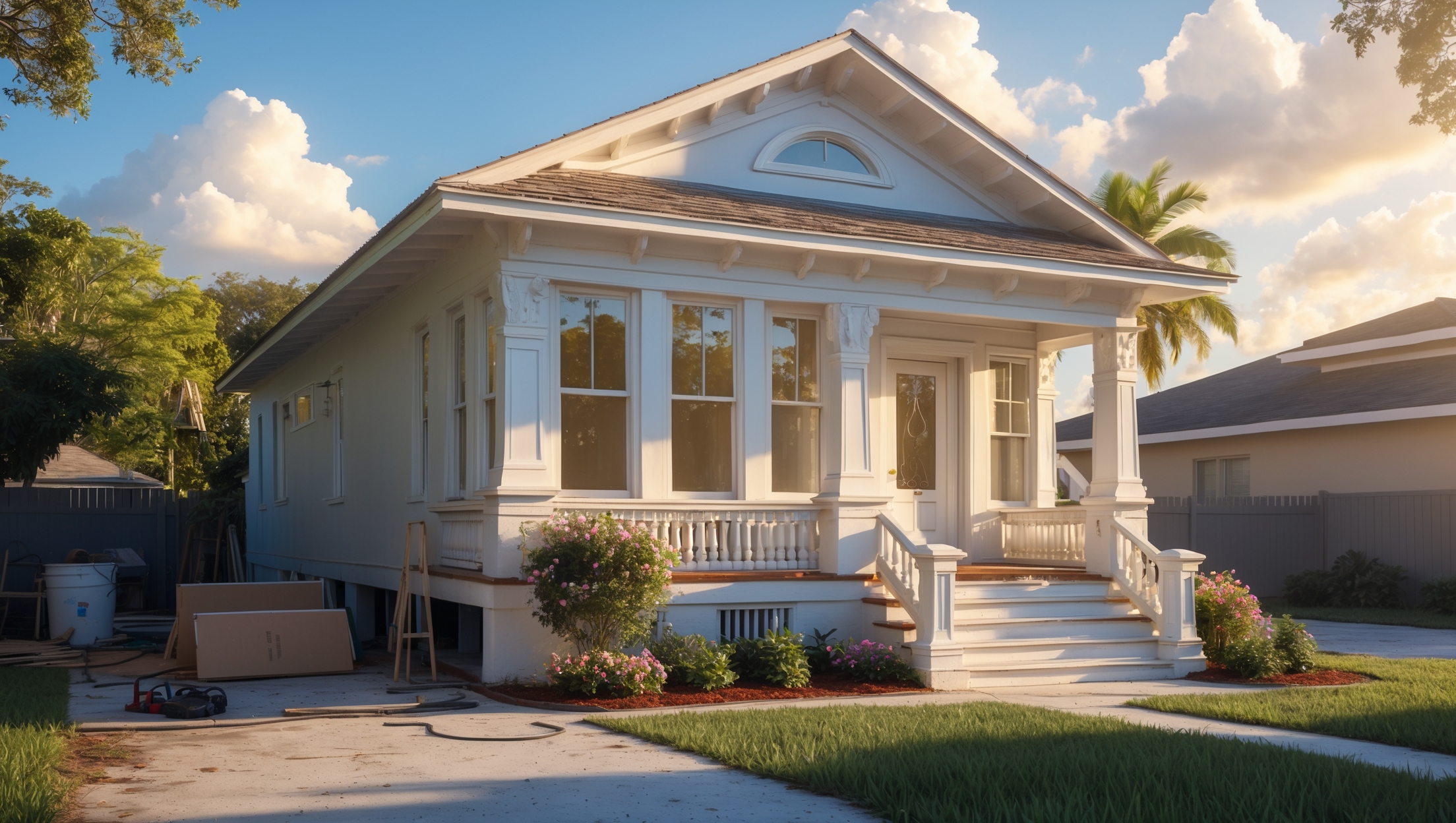
The star of our case study is a 1926 Craftsman bungalow located on a leafy street in Southeast Seminole Heights. The home boasted classic architectural details—wide front porch, original hardwood floors, and a charming gabled roof. However, decades of wear, outdated systems, and a cramped floor plan presented significant challenges for modern living. The homeowners, a young couple with a passion for historic preservation, set out to blend old-world character with contemporary comfort, all while honoring the neighborhood’s unique spirit.
Setting Clear Goals: Vision and Priorities
Identifying Needs vs. Wants
Before any demolition began, the couple worked with a local architect to clarify their renovation goals. Their non-negotiables included:
- Improving energy efficiency without sacrificing historic charm
- Creating an open-plan kitchen and living space
- Adding a second bathroom and home office
- Restoring original features like windows and trim
- Updating electrical, plumbing, and HVAC to current codes
Nice-to-haves—like a gourmet kitchen island and built-in bookshelves—were included in the initial design, but earmarked as flexible in case of budget constraints.
Budgeting: Real Numbers from the Field
Establishing a Realistic Financial Plan
Renovation budgets in Southeast Seminole Heights can vary dramatically depending on scope and material choices. Here’s how the homeowners approached their financial planning:
- Initial budget: $120,000 (including 10% contingency)
- Major line items:
- Structural repairs (foundation, framing): $18,000
- Systems upgrades (electrical, plumbing, HVAC): $30,000
- Interior finishes (flooring, paint, fixtures): $25,000
- Kitchen and bath remodels: $32,000
- Permit fees and inspections: $3,500
- Landscaping and exterior: $7,500
By prioritizing essential systems and structural integrity, they set themselves up for long-term value and safety. Flexibility was built in for finishes and decorative touches.
Choosing the Right Team: Contractors, Specialists, and DIY
One of the most critical decisions was whether to hire a general contractor or manage subcontractors directly. After interviewing three local firms with experience in historic homes, the couple opted for a licensed general contractor who provided:
- Transparent, itemized bids
- Local references in Southeast Seminole Heights
- Experience navigating City of Tampa permitting for historic properties
Where feasible, the homeowners tackled smaller DIY projects—like restoring interior trim and painting—saving an estimated $5,000.
Demolition and Surprises: What Lurked Behind the Walls
Expect the Unexpected
No renovation is complete without surprises, especially in an older home. Early demolition revealed:
- Rotten sill plate under the front porch (requiring urgent repair)
- Knob-and-tube wiring hidden behind drywall (necessitating a full electrical update)
- Termite damage in two joists
These discoveries consumed most of the contingency fund but were essential for safety and code compliance. The experience underscored the importance of thorough pre-renovation inspections and having a robust emergency reserve.
Structural and System Upgrades
With surprises addressed, the team focused on bringing the home’s bones up to modern standards:
- Foundation and Framing: Repaired sill plate and reinforced floor joists
- Electrical: Full rewiring, upgraded panel, new GFCI outlets in kitchen and baths
- Plumbing: Replaced galvanized pipes with PEX, added tankless water heater
- HVAC: Installed high-efficiency heat pump and improved ductwork
These upgrades not only increased safety but also boosted the home’s energy efficiency and comfort, leading to lower utility bills.
Design Decisions: Balancing Old and New
Preserving Character
The couple was committed to maintaining the bungalow’s historic charm. Where possible, original features were restored:
- Refinished heart pine floors
- Repaired and reglazed original wood windows
- Preserved fireplace and built-in cabinetry
Smart Modernization
To meet modern needs, they:
- Removed a non-load-bearing wall to create an open kitchen/living space
- Added recessed LED lighting for improved ambiance
- Incorporated a compact home office nook in the guest bedroom
- Chose classic subway tile and quartz counters for timeless appeal
Fixtures and hardware were selected to echo the home’s era, using antique brass finishes and period-appropriate lighting.
Kitchens and Baths: Maximizing Space and Function
The kitchen and bathrooms presented special challenges in a compact footprint. Creative solutions included:
- Custom cabinetry that maximized vertical storage
- Pull-out pantry shelves and corner lazy susans
- Walk-in shower with frameless glass in the new master bath
- Dual-flush toilets and low-flow fixtures for water savings
Every inch was carefully planned to enhance usability without crowding the historic layout.
Permitting and Compliance: Navigating Tampa’s Historic Guidelines
Renovating in Southeast Seminole Heights often means additional scrutiny from the City of Tampa, especially for exterior changes. The homeowners:
- Submitted plans for review by the Architectural Review Commission
- Obtained permits for structural, electrical, plumbing, and mechanical work
- Used historically accurate materials for windows and siding
Inspections were scheduled at each construction phase, and minor delays were encountered when specialty materials were required to meet local guidelines. The extra effort ensured the home’s renovation was both legal and neighborhood-friendly.
Landscaping and Curb Appeal
With the exterior refreshed, the final step was revitalizing the yard. The couple:
- Replaced overgrown shrubs with native Florida plants
- Added a brick walkway using reclaimed materials
- Installed rain barrels and mulched beds for sustainability
- Painted the porch in a historically accurate color palette
The result: a welcoming front yard that respects the area’s character while reducing maintenance.
What Went Well: Successes and Standout Features
- On-time project completion (6.5 months from start to finish)
- Final cost came in just under budget, thanks to DIY efforts and strategic splurges
- Energy bills dropped by 25% post-renovation
- Home office became a cherished daily-use space
- Neighbors praised the home’s blend of old and new
What They’d Do Differently: Lessons Learned
- Budget more time for permit approvals, especially for exterior changes
- Increase contingency fund to 15% for older homes
- Invest in a professional designer for kitchen layout
- Order custom windows earlier to avoid supply chain delays
- Document all work with photos for future reference and resale
Conclusion: Takeaways for Your Southeast Seminole Heights Renovation
This case study illustrates that successful home renovations in Southeast Seminole Heights require thoughtful planning, respect for local history, and a willingness to adapt. By setting clear goals, budgeting realistically, and assembling a skilled team, the homeowners transformed a vintage bungalow into a modern haven that honors its roots. Their journey highlights the importance of flexibility—both financially and creatively—when dealing with older homes and strict local guidelines.
If you’re considering your own renovation in our neighborhood, here are the key takeaways:
- Invest time in thorough inspections and research up front
- Build a buffer into your budget for the inevitable surprises
- Balance restoration with modernization for the best of both worlds
- Embrace the permitting process as a way to protect your investment and the neighborhood’s charm
- Don’t be afraid to ask for help—local professionals and neighbors can be invaluable resources
Every home tells a story. With patience, creativity, and community spirit, your Southeast Seminole Heights renovation can become a chapter you’re proud to share. Whether you’re restoring a neglected treasure or simply updating a beloved space, let this case study inspire your next steps—and remember, every challenge is an opportunity to make your house truly feel like home.
I’m curious how the homeowners balanced updating things like plumbing and electrical without losing the historic features—were there any compromises they regretted or tips for keeping the old details intact during the renovation?
The homeowners carefully updated plumbing and electrical by threading new systems through existing walls and floors whenever possible, minimizing the need to remove original materials. They did have to replace some plaster with drywall in certain rooms, which they slightly regretted, but salvaged and reused trim and doors to maintain character. Their main tip is to work with contractors experienced in historic homes who prioritize preservation.
When converting the cramped floor plan into an open-plan kitchen and living area, did you run into structural challenges, especially with a nearly 100-year-old house? How were those resolved?
Yes, we did encounter structural challenges due to the age and original design of the home. To create the open-plan layout, we needed to remove some load-bearing walls, which required installing steel beams for support. We worked closely with a structural engineer to ensure the integrity and safety of the renovation.
How long did the whole renovation process take from planning with the architect to moving back in? I’m trying to figure out a realistic timeline if I want to do something similar with a historic bungalow.
The entire renovation took about 11 months, starting from the initial planning and design phase with the architect through to move-in. This included permitting, construction, and final touches. For a historic bungalow, unexpected delays can pop up, so it’s wise to budget a few extra months just in case.
Can you share a ballpark figure for what improving energy efficiency and adding modern systems actually cost in an older home like this, compared to the initial budget you had in mind?
For this renovation, improving energy efficiency and adding modern systems such as new HVAC, insulation, and updated wiring typically added about 15–25% to the original budget. In this case, that meant an extra $30,000 to $50,000, depending on the extent of upgrades and the home’s existing condition.
How did your actual renovation budget in Southeast Seminole Heights compare to your initial estimates, especially when it came to unexpected expenses from restoring versus replacing elements like the roof or plumbing?
Our final renovation costs did exceed our initial estimates, mainly due to unforeseen challenges with restoring original features. For example, repairing the old roof and plumbing turned out more expensive than replacing them outright. Restoring vintage elements can reveal hidden issues, so we recommend building a larger contingency into the budget for projects like this.
How did the homeowners balance maintaining the original windows and trim with improving energy efficiency? Were there any specific products or techniques that worked well for a 1920s bungalow?
The homeowners restored the original windows by repairing frames and adding weatherstripping to reduce drafts. For energy efficiency, they installed custom storm windows, which provided insulation while preserving the historic look. The trim was refinished and caulked to seal gaps, helping retain the bungalow’s vintage charm and improving overall comfort without major structural changes.
I’m renovating a similar 1920s bungalow in Seminole Heights and was wondering how you balanced keeping the original hardwood floors with making the home more energy efficient. Did you need to refinish or insulate underneath?
We kept the original hardwood floors by refinishing them, which helped restore their beauty. To improve energy efficiency, we added insulation from the crawl space underneath without disturbing the floors themselves. This way, we retained the vintage look while reducing drafts and improving comfort throughout the home.
For anyone considering adding a second bathroom to a historic bungalow in this area, how complicated was it with the old plumbing? Was it a big portion of the renovation budget?
Adding a second bathroom to the historic bungalow was definitely one of the more complex parts of the renovation. The old plumbing needed significant updating to meet modern codes, which meant rerouting pipes and sometimes opening up walls and floors. It did take up a sizable portion of the budget, so planning for extra time and costs is wise.
How long did the renovation end up taking from planning through completion, especially given the need to update electrical and plumbing in a 1920s bungalow?
The renovation took about nine months from initial planning to final completion. Updating the electrical and plumbing systems in the 1920s bungalow did add some extra time, especially during permitting and inspections, but the team kept the project moving with careful scheduling.
How long did the entire renovation process take, from initial planning with the architect to moving back in? I’m trying to figure out what kind of timeframe to expect, especially if I want to add a home office and second bathroom like they did.
The renovation took about nine months from the initial planning stages with the architect to moving back in. This included design, permitting, construction, and final touches. Since you’re considering similar updates like a home office and second bathroom, you can expect a comparable timeline, though it could vary based on your home’s condition and local permit processes.
For someone starting a similar renovation in Southeast Seminole Heights, do you have any advice on budgeting for energy efficiency upgrades without compromising the home’s historic look?
Focus on improvements that offer efficiency and still respect your home’s character, like adding insulation in walls and the attic, installing energy-efficient windows with period-appropriate frames, and sealing gaps. Prioritize changes that save energy over purely cosmetic upgrades, and set aside a contingency fund for unexpected costs that might arise when working with older homes.
I’m curious how they balanced improving energy efficiency with preserving historic charm. Were there specific upgrades or materials that worked well for this Craftsman bungalow?
They used energy-efficient windows styled to match the original wood frames, so the look stayed authentic. For insulation, they added spray foam in attic spaces, which is hidden from view. The homeowners also chose updated HVAC systems that didn’t require major changes to the historic floor plan or visible interior features.
I’m curious about budgeting for a project like this in Southeast Seminole Heights—were there any unexpected costs specific to working with a 1920s bungalow?
Yes, renovating a 1920s bungalow in Southeast Seminole Heights did come with some unexpected costs. The main surprises were outdated electrical wiring, hidden termite damage, and the need to upgrade plumbing to meet modern codes. These issues added both time and expense beyond the initial budget, so setting aside a contingency fund is highly recommended.
What was the biggest unexpected challenge you faced with the cramped floor plan, and did it end up affecting your initial renovation budget?
The biggest unexpected challenge with the cramped floor plan was uncovering structural walls that couldn’t be easily removed. This required us to redesign part of the open-concept layout and bring in additional support beams, which did push our renovation costs above the initial budget. Adjusting the design mid-project definitely added extra time and expenses.
I’d love to know more about how the homeowners balanced keeping the original hardwood floors with improving energy efficiency. Did they have to make any compromises during the renovation?
The homeowners kept the original hardwood floors to preserve the bungalow’s character, but they did face some compromises. To boost energy efficiency, they added high-quality insulation beneath the floors where possible and sealed gaps around the perimeter. This approach maintained the original look, though it limited options for adding in-floor heating or thicker subfloor insulation.
Could you share a rough timeline for how long each renovation step took, especially since you added a second bathroom and a home office on top of restoring the original features?
Absolutely. Restoring the original features took about 2 months, as this included refinishing floors and repairing trim. Adding the second bathroom required 4 weeks, mainly due to plumbing work. Creating the home office took about 3 weeks. Altogether, the renovation spanned roughly 4 to 5 months, including some time for design decisions and inspections.
For those considering similar renovations in Southeast Seminole Heights, can you share more about the budgeting process and which upgrades ended up being the most expensive or cost-effective?
The budgeting process involved getting multiple contractor quotes, identifying must-have upgrades, and setting aside a contingency fund for surprises. The most expensive upgrades were the kitchen remodel and opening up the floor plan. However, refinishing the original hardwood floors and updating lighting fixtures proved to be very cost-effective while making a big visual impact.
I’m curious about your budgeting process—were there any surprise expenses related to working with a 1920s bungalow in Southeast Seminole Heights that future renovators should watch out for?
Yes, unexpected expenses did come up, especially with the home’s age. We found outdated wiring and some hidden water damage behind walls, which both required immediate attention. If you’re renovating a 1920s bungalow, it’s wise to set aside a contingency fund—these older homes often reveal surprises once you start opening things up.
Could you share more details about the budgeting for modern upgrades like the second bathroom and updated HVAC in a historic home like this? I’m curious how you managed costs without losing the original charm.
For the second bathroom, we focused on compact fixtures and reused vintage-style tiles to blend with the original charm, keeping costs around $12,000. The HVAC upgrade was about $8,500, choosing a system with discreet vents to preserve historic details. We prioritized energy efficiency and sourced materials locally, which helped us manage the budget while maintaining the home’s character.
Did the homeowners run into any issues with Southeast Seminole Heights historic preservation rules when they updated the electrical and HVAC? I’m worried about those kinds of code conflicts in my own bungalow remodel.
The homeowners did encounter some challenges with historic preservation guidelines, especially when updating electrical and HVAC systems. They had to coordinate closely with local permitting offices to ensure all upgrades met code while preserving original details. Consulting with professionals familiar with historic homes helped them navigate these requirements smoothly.
Can you share how the final budget compared to your initial expectations, especially with all the updates to electrical, plumbing, and HVAC? Were there any surprise expenses during the renovation?
The final budget ended up being about 20% higher than initially expected, mainly due to unexpected issues with outdated wiring and hidden plumbing problems. Upgrades to the HVAC also cost more than planned. We did set aside a contingency fund, but still faced surprise expenses once walls were opened and older systems were uncovered.
How did your budget hold up when it came to opening up the kitchen and living areas compared to what you initially planned? I’m trying to get a sense of whether open-plan layouts in these older homes usually run into costly surprises.
Opening up the kitchen and living areas did go over our initial budget because we discovered some unexpected issues, like outdated wiring and hidden water damage in the walls. In older homes, it’s common to run into surprises like this, so I’d recommend setting aside a contingency fund for unforeseen expenses when planning an open-plan renovation.
How long did this renovation take from planning through final touches, and were there any delays specific to working in Southeast Seminole Heights compared to other Tampa neighborhoods?
The renovation took about nine months from the initial planning stage to the final touches. There were a few delays, mostly related to getting permits specific to Southeast Seminole Heights, since some regulations and approval timelines differed from other Tampa neighborhoods. Otherwise, construction itself moved at a typical pace.
I noticed the renovation included adding a second bathroom and a home office. Were there any zoning challenges or permit hurdles specific to expanding in a historic Southeast Seminole Heights bungalow?
Yes, adding a second bathroom and home office in a historic Southeast Seminole Heights bungalow did involve some extra steps. The team had to obtain special permits and ensure all plans met both local zoning and historic district guidelines, particularly regarding the home’s original footprint and exterior appearance. Coordination with the city’s preservation office was key to getting approvals.
How did the homeowners balance keeping original features like windows and trim with the need to update to modern energy efficiency standards? Were there any unexpected challenges with this part of the renovation?
The homeowners preserved original features like windows and trim by carefully restoring them instead of replacing them. To meet modern energy efficiency standards, they added weatherstripping, upgraded insulation, and installed energy-efficient storm windows. One challenge they faced was ensuring the old wood trim fit properly with the new insulation, which required custom adjustments and extra time.
Did the homeowners face any unexpected challenges updating the electrical and plumbing in a bungalow that old, and how did they keep those upgrades within budget?
Yes, the homeowners encountered outdated wiring and corroded pipes, which is common in older bungalows. They kept costs down by updating only the most critical systems, reusing existing layouts where possible, and sourcing materials from local suppliers to avoid high labor and material expenses.
I’m wondering how you decided which original features to restore versus replace, especially with things like windows and trim. What factors tipped the scale for you during the renovation?
We looked at the condition, historical value, and functionality of each feature. For example, original windows and trim were kept if they were structurally sound and added to the home’s character. If something was too damaged or inefficient, like a window that couldn’t be repaired to insulate well, we replaced it with something complementary to the original style.
For someone new to renovating in a historic area like Southeast Seminole Heights, do you have advice on picking the right architect or contractor who really understands older homes?
Look for architects or contractors who have proven experience with historic homes in Southeast Seminole Heights. Ask for examples of their past work, especially in similar neighborhoods, and check references from other homeowners. It also helps to choose professionals familiar with local preservation guidelines, so your renovation meets both your needs and any historic requirements.
How long did the entire renovation process take from planning with the architect to moving back in, and were there any major timeline setbacks unique to working with a historic Craftsman bungalow in Seminole Heights?
The renovation process took about 10 months from the initial planning with the architect to moving back in. There were a few setbacks unique to the historic Craftsman bungalow, such as delays in sourcing period-appropriate materials and addressing unforeseen structural issues like outdated wiring and hidden water damage.
Since the couple wanted to create an open-plan kitchen and living space in a 1926 bungalow, did they run into any structural problems with removing walls or changing the layout?
Yes, the couple did encounter structural challenges when opening up their 1926 bungalow. Since many interior walls were load-bearing, they had to work with a structural engineer to ensure proper support with new beams before removing walls. This added some complexity and cost, but ultimately made the open-plan layout safe and possible.
I’m interested in the local budgeting aspect you mention. Were there any unexpected costs unique to renovating a 1920s bungalow in Southeast Seminole Heights that others should prepare for?
Renovating a 1920s bungalow in Southeast Seminole Heights did come with unique budget surprises, especially for updating old electrical and plumbing systems to meet modern codes. There were also unexpected costs related to repairing hidden wood rot and sourcing period-appropriate materials to preserve the home’s character. It’s wise to budget extra for these potential issues.
I’m curious how long the whole renovation took from start to finish, especially since they had to add both a second bathroom and a home office. Were there any big delays or surprises with the timeline?
The renovation took about seven months from start to finish. Adding the second bathroom and home office did extend the timeline a bit, mainly due to permit approvals and unexpected plumbing issues. While there were a few minor delays, there were no major surprises that significantly impacted the overall schedule.
How much did updating the electrical, plumbing, and HVAC systems add to the overall cost and timeline of the project? I’m wondering if those upgrades are usually the biggest hurdles in an old bungalow like this.
Updating the electrical, plumbing, and HVAC systems significantly impacted both the cost and the timeline of the renovation. These upgrades accounted for about 30% of the total budget and extended the project by several weeks. In older bungalows, addressing outdated infrastructure is often one of the most challenging and expensive parts, but it’s crucial for safety and comfort.
For budgeting in Southeast Seminole Heights, were there any unexpected expenses related to bringing the house up to code or making it more energy efficient that caught you off guard?
Yes, there were a few unexpected expenses during the renovation. Upgrading the electrical system to meet current code and adding insulation for energy efficiency both ended up costing more than anticipated. We also had to replace some outdated plumbing that didn’t comply with local regulations, which added to the budget.
Could you share a bit more about what the budgeting process looked like for this renovation, especially with the decision to add a second bathroom and home office? I’m trying to estimate costs for older homes in Seminole Heights.
For this renovation, the homeowners started by getting estimates from local contractors for each major change—adding a second bathroom and a home office were the biggest line items. They prioritized essential updates first, then included wish-list items if the budget allowed. Adding the bathroom required significant plumbing work, which increased costs, while the home office was less expensive since it mainly needed framing and electrical. They also set aside a contingency fund for unexpected repairs common in older homes.
How long did the entire renovation process take, especially working around updating the old electrical and plumbing? I’m concerned about possible delays with my own 1920s home.
The renovation took about eight months from start to finish. Upgrading the old electrical and plumbing systems added a few extra weeks to the timeline, mainly due to inspections and sourcing compatible materials. Planning for flexibility and working with experienced contractors helped minimize delays.