
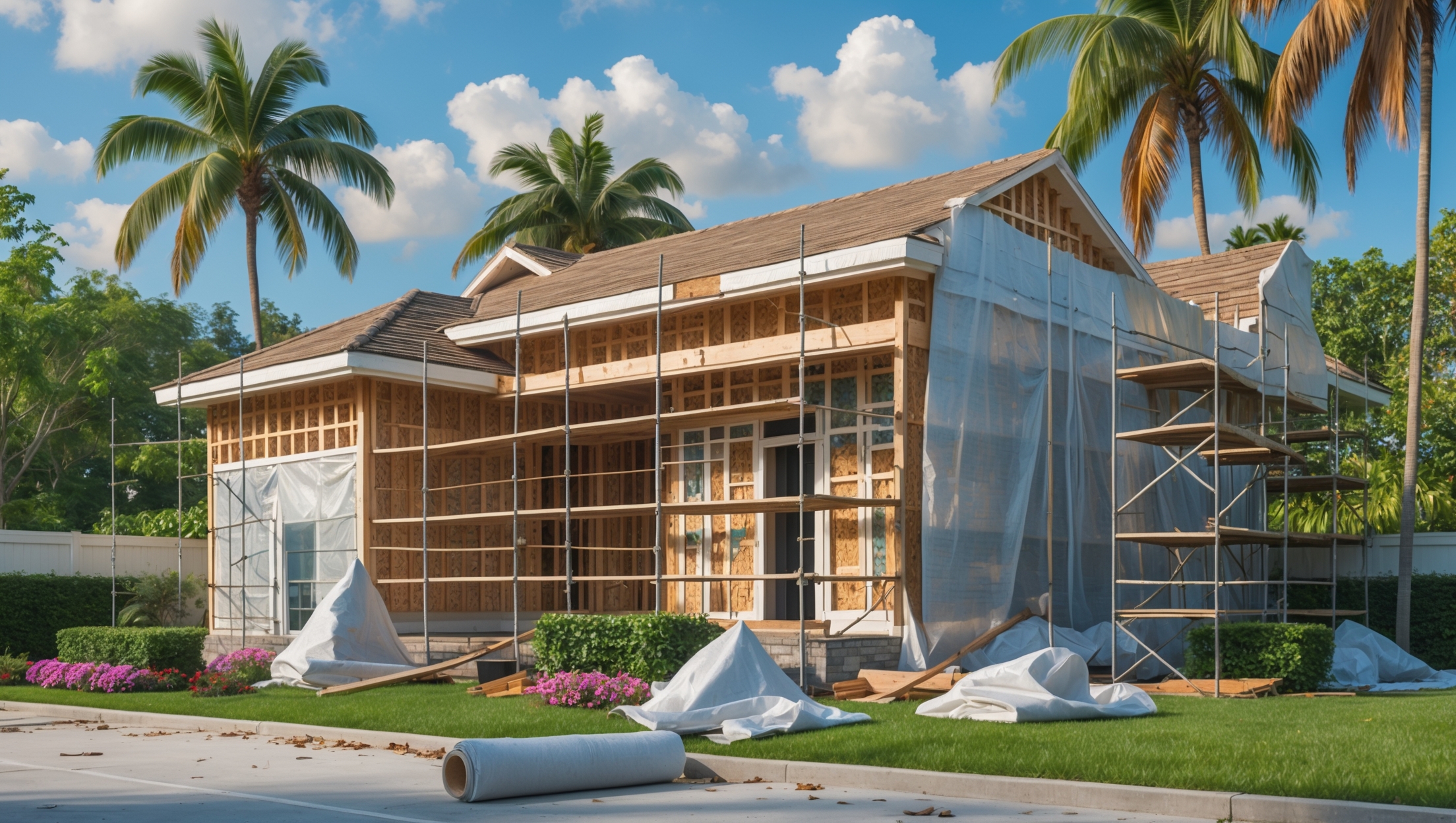
Introduction: The Overlooked Cornerstone of Renovation Success
When homeowners in Southeast Seminole Heights start dreaming of a new kitchen, an expanded porch, or a modernized bathroom, insurance typically isn’t the first thing that comes to mind. Yet, failing to understand and secure the right insurance coverage can turn an exciting renovation into a financial nightmare. From historic bungalows to mid-century gems, homes in Southeast Seminole Heights present unique challenges—and opportunities—when it comes to renovation insurance. Local climate risks, the presence of historic property guidelines, and a vibrant community of contractors and DIY-ers all add layers of complexity to the process.
This comprehensive guide will walk Southeast Seminole Heights homeowners through every essential insurance consideration before starting any renovation project. We’ll cover the types of coverage you may need, how to navigate local requirements, the most common insurance pitfalls in our neighborhood, and practical steps to ensure your investment is protected from start to finish. Whether you’re hiring a licensed pro or rolling up your sleeves for a DIY project, understanding your insurance obligations and options is the smartest first step you can take. Let’s dig in and make sure your next renovation is as secure as it is inspiring.
Understanding the Insurance Landscape in Southeast Seminole Heights
Why Insurance Matters for Renovations
Home renovations introduce a host of new risks to your property. From structural changes and temporary exposures (like open roofs or walls) to increased foot traffic and the use of hazardous tools, your home is more vulnerable during a project. Insurance isn’t just about peace of mind—it’s about financial protection if something goes wrong, whether that’s a weather event, an accident, or a contractor dispute.
- Property Damage: Accidental fires, water damage, or theft of materials can occur.
- Injury Liability: Contractors or visitors could be injured on your property, leading to lawsuits.
- Code Compliance: Some renovations may void existing insurance if not compliant with local codes or if the insurer isn’t notified.
Unique Local Factors
Southeast Seminole Heights is known for its blend of historic and contemporary homes, its susceptibility to hurricanes and flooding, and a proactive permitting environment. Insurance requirements and risks are influenced by:
- Historic Home Designation: Special rules for repairs and material use may affect your policy.
- Flood Zones: Proximity to the Hillsborough River and low-lying areas require attention to flood insurance.
- Wind Mitigation: Impact-resistant features can influence eligibility and premiums.
Types of Insurance Every Renovating Homeowner Should Consider
Homeowners Insurance: The Starting Point
Standard homeowners insurance typically covers your home’s structure, personal liability, and personal property. However, most policies have limits and exclusions for renovations, especially major ones. Key considerations:
- Coverage Limits: If your project increases your home’s value, you may need to adjust your coverage amount.
- Exclusions: Some policies exclude coverage for damages occurring during construction or exclude certain types of upgrades (e.g., additions).
- Notification: Many policies require you to notify your insurer before starting work; failure to do so may void coverage for related claims.
Builder’s Risk Insurance
Builder’s risk insurance (sometimes called “course of construction” insurance) covers property loss or damage during renovation, such as fire, theft, vandalism, and certain weather events. It’s especially important for large projects involving structural changes or periods when your home may be vacant or open to the elements.
- Who Should Buy: Homeowners often purchase this for major renovations, but some contractors include it in their contracts—always clarify in writing.
- What It Covers: Building materials, fixtures, equipment, and sometimes temporary structures like scaffolding.
- What It Excludes: Worker injuries (covered by workers’ compensation), normal wear and tear, and sometimes wind/flood unless specifically added.
Flood Insurance
With Southeast Seminole Heights’ proximity to waterways and frequent summer storms, flood insurance is crucial—especially if your renovation includes ground-level expansions or improvements below the base flood elevation. Homeowners insurance doesn’t cover flood damage; a separate policy is required, usually through the National Flood Insurance Program (NFIP) or private carriers.
Contractor Insurance: What to Require
If you’re hiring professionals, insist on proof of their insurance:
- General Liability: Protects against property damage or injury caused by contractor negligence.
- Workers’ Compensation: Covers medical costs and lost wages for injured workers; protects you from being liable.
- License Bond: Ensures contractors will complete work to code and honor contractual obligations.
Umbrella Policies and Additional Endorsements
Consider an umbrella policy for additional liability protection, especially if your renovation increases the risk of accidents on your property or if you plan to rent out part of your home afterward. Some insurers offer endorsements specifically for home renovations—ask what’s available.
Local Compliance: Navigating Permits and Insurance Requirements
Permit-Related Insurance Requirements
The City of Tampa and Hillsborough County require permits for most major renovations, including structural, electrical, plumbing, and some exterior changes. Permit applications often require proof of contractor insurance, and in some cases, proof of your own increased coverage for large-scale projects. Local officials may inspect your insurance certificates before granting final approvals.
Special Considerations for Historic Properties
Many homes in Southeast Seminole Heights fall under local or national historic designations. Renovating these properties often involves:
- Additional review by historic preservation boards
- Requirements to use period-appropriate materials, which may be more expensive to insure
- Potential for higher rebuilding costs—make sure your coverage accounts for this
Keeping Your Policy in Force
Insurers may temporarily suspend or restrict coverage during major renovations, especially when the home is unoccupied or exposed. Always notify your agent before and after work, and get written confirmation of continued coverage.
Common Insurance Pitfalls in Southeast Seminole Heights Renovations
Underinsuring the Renovated Home
After a successful renovation, your home’s value likely increases. If you don’t update your policy’s coverage limits, you could be left underinsured in the event of a major loss. Have your home re-appraised and discuss the new replacement value with your insurer.
Failing to Verify Contractor Coverage
Don’t take a contractor’s word for it—ask for up-to-date certificates of insurance, and call the issuing company to confirm. If an uninsured or underinsured contractor is involved and something goes wrong, you could be financially responsible.
Assuming Flood Risks Are Covered
Many Southeast Seminole Heights homeowners wrongly believe their standard policy covers flood damage. With the area’s unique floodplain risks, separate flood coverage is a must for most properties.
Ignoring Vacancy Clauses
If your home will be vacant for 30 days or more during renovations, your standard policy may limit or exclude coverage. Discuss this with your insurer and consider a vacancy endorsement or builder’s risk policy if needed.
Step-By-Step: Securing the Right Insurance Before You Build
1. Review Your Existing Policy
Start by reading your current homeowners insurance policy. Identify coverage limits, exclusions, and notification requirements related to renovations. Make a list of questions for your agent.
2. Consult Your Insurance Agent Early
Before you pull permits or sign contracts, talk to your insurance agent. Provide project details (scope, timeline, contractor info, budget) and ask:
- Will my current policy cover this renovation?
- Do I need additional or temporary coverage?
- What documentation will you need before and after the project?
3. Get Written Proof from Contractors
Request certificates of insurance for liability, workers’ compensation, and any bonds. Confirm their validity with the issuing agency. Insist on being added as an “additional insured” when possible.
4. Consider Builder’s Risk Coverage
For any project involving major structural changes, an addition, or a period of vacancy, request a builder’s risk insurance quote. Compare costs and exclusions. If your contractor provides coverage, ask for a copy of the policy and clarify what’s included.
5. Evaluate Flood and Wind Coverage
Check if your project increases your exposure to flood or wind damage (e.g., lower-level additions, roof changes, large new windows). Update or add policies as needed. Consider wind mitigation improvements to reduce premiums.
6. Update Your Policy After Completion
Once work is finished, document all improvements with photos, receipts, and permits. Request a post-renovation appraisal if your home’s value has increased. Update your coverage limits and endorsements accordingly.
Cost Breakdown: What Southeast Seminole Heights Homeowners Should Expect
Insurance costs vary widely depending on project scope, property value, and risk factors. Here’s what to expect in our area:
- Homeowners Policy Update: Expect a modest premium increase (usually 5–15%) if your home’s value rises after renovation.
- Builder’s Risk Insurance: Typically 1–4% of the total project cost, with coverage for 3–12 months. For a $100,000 renovation, budget $1,000–$4,000.
- Flood Insurance: Premiums in Southeast Seminole Heights range from $400–$1,800 annually, depending on flood zone and coverage limits.
- Contractor Liability: No direct cost to you, but verify it’s factored into your contractor’s bid.
- Umbrella Policy: Starts around $200–$400 per year for $1 million in extra liability coverage.
Always get several quotes and ask for local discounts (e.g., wind mitigation credits, historic home endorsements) to make sure you’re not overpaying.
Practical Tips for a Smooth, Insured Renovation
- Document Everything: Keep detailed records—before, during, and after photos; all correspondence; receipts; and permits. This helps streamline any potential claims and proves your home’s value if you need to increase coverage.
- Communicate Proactively: Notify your insurer early and often about project milestones, delays, or changes in scope.
- Inspect Contractor Insurance: Set calendar reminders to verify insurance policies remain active throughout the project.
- Review Local Risks: Ask your agent specifically about hurricane, flood, and subsidence (sinkhole) coverage—risks that are uniquely high in our region.
- Don’t Forget Outbuildings: If you’re renovating garages, sheds, or guest cottages, confirm they’re included in your coverage.
Conclusion: Protecting Your Renovation—and Your Future—in Southeast Seminole Heights
Home renovations are an exciting way to invest in your Southeast Seminole Heights property, improve your daily life, and contribute to the neighborhood’s ongoing revitalization. But without the right insurance in place, even the best-planned project can lead to unexpected hardship. Local homeowners face unique challenges: our historic homes, proximity to flood zones, and weather risks all require extra diligence. The good news? With a proactive approach to insurance—reviewing policies early, consulting local professionals, verifying contractor coverage, and updating your coverage post-renovation—you can confidently safeguard your investment.
Remember, insurance isn’t just a checkbox for permits or a line item on your budget. It’s a dynamic protection plan that should evolve with your home. Take the time to ask questions, read the fine print, and work with agents who understand the Southeast Seminole Heights landscape. By doing so, you ensure that your newly renovated space is as secure as it is beautiful, ready to weather any Florida storm—literal or financial—that may come your way. If you’re unsure where to start, reach out to a local insurance specialist or your neighborhood association for recommendations. Protect your dreams, your home, and your future—before the first nail is hammered.
For homeowners in Southeast Seminole Heights dealing with historic bungalows, are there specific insurance requirements or restrictions we should be aware of before starting renovations?
If your historic bungalow is officially designated or lies within a historic district, you may need specialized coverage that accounts for restoration costs using original materials and methods. Insurers might also require proof of proper permits and adherence to local preservation guidelines. It’s important to check with both your agent and local authorities about any unique insurance restrictions before beginning renovations.
If I’m planning a DIY renovation instead of hiring professionals, how does that impact the type of insurance or endorsements I’ll need on my existing homeowners policy during the project?
Doing a DIY renovation can affect your insurance needs. Most standard homeowners policies may not cover damage or liability from your own renovation work. It’s wise to notify your insurer before starting, as you may need a special endorsement or increased liability coverage to stay protected during and after your project.
You mentioned DIY projects as well as hiring licensed pros—do insurance policies typically differ depending on whether I do the work myself or hire someone?
Yes, insurance policies can differ based on who does the work. If you tackle renovations yourself, some home insurance policies may limit or exclude coverage for DIY work, especially if it’s not up to code. Hiring licensed professionals often means better coverage, as insurers see this as lower risk. It’s a good idea to inform your insurer before starting either type of project.
How can I make sure my renovation insurance will actually cover things like weather damage or theft of building materials, especially given the local climate risks mentioned in the article?
To ensure your renovation insurance covers weather damage and theft, discuss these specific risks with your insurer and request them to be included in your policy. Southeast Seminole Heights has unique climate challenges, so confirm coverage for storms and theft is spelled out in writing. Review any policy exclusions closely and consider extra endorsements if needed.
I live in a historic bungalow in Southeast Seminole Heights and I’m planning a DIY renovation. Are there specific insurance riders I need because of the historic property guidelines mentioned in the article?
Since your home is historic, you may need a policy rider for historic homes, which can help cover the cost of restoring specific architectural details. Check with your insurer about coverage for materials that meet preservation guidelines, and consider a builder’s risk rider if you’re handling the renovation yourself.
If I’m planning to renovate my kitchen myself in an older Southeast Seminole Heights home, do I need to tell my insurance company first, or is that only if I’m hiring contractors?
You should inform your insurance company even if you’re doing the kitchen renovation yourself. Insurers often want to know about significant changes to the home, regardless of whether you hire a contractor or do the work yourself, as it can impact your coverage or rates.
If my home in Southeast Seminole Heights is considered historic, are there special insurance requirements or limitations I should watch out for during renovations?
Yes, if your home is historic, insurance companies may have special requirements or limitations. You might need to notify your insurer before starting renovations, and coverage for historic features or materials may be limited. It’s a good idea to review your policy, discuss your plans with your agent, and see if special endorsements are needed to fully protect your home during and after renovations.