
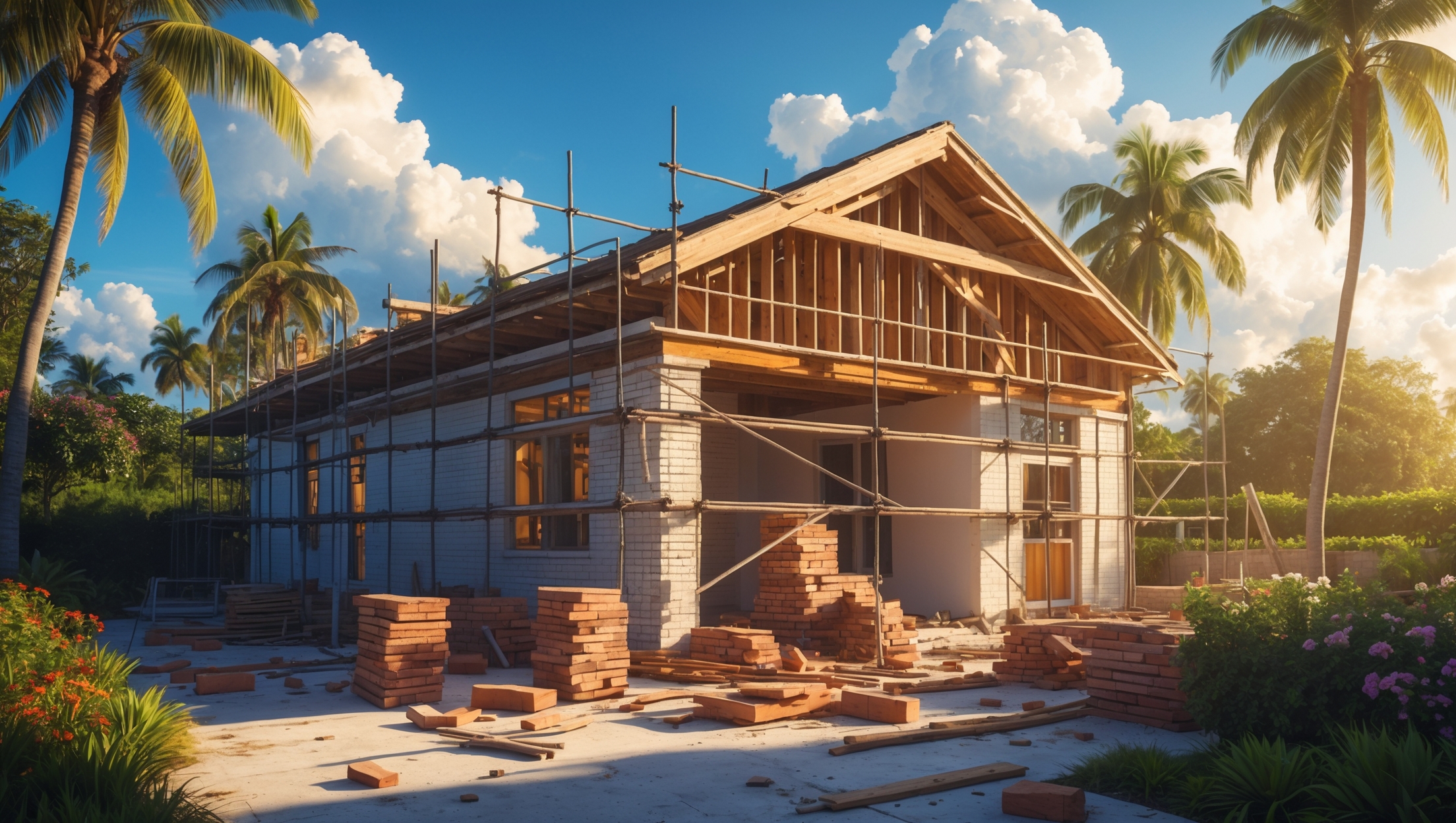
Introduction: Why Insurance Matters for Renovators in Southeast Seminole Heights
Renovating a home in Southeast Seminole Heights is an exciting opportunity to boost your property’s value, comfort, and curb appeal. But between choosing design elements, hiring contractors, and managing timelines, one critical piece often gets overlooked: insurance. Without the right coverage, a single accident, theft, or storm could turn your renovation dream into a financial nightmare. Insurance isn’t just a bureaucratic box to tick—it’s your safety net, protecting your investment, your family, and anyone working on your property. And in Southeast Seminole Heights, where unique historic homes, weather risks, and local ordinances come into play, understanding your insurance needs is especially important.
In this comprehensive guide, we’ll break down the essential insurance considerations for Southeast Seminole Heights homeowners planning renovations. You’ll learn what policies you need, how to assess contractor coverage, what local risks to watch for, and actionable steps to close insurance gaps before a single hammer swings. Whether you’re tackling a kitchen remodel, adding a porch, or restoring a Craftsman bungalow, this guide will help you safeguard your project from costly surprises.
Understanding Renovation Risks in Southeast Seminole Heights
Historic Homes and Unique Challenges
Southeast Seminole Heights is prized for its charming bungalows, mid-century cottages, and historic architecture. Renovating these homes often involves specialized work, rare materials, and careful preservation of original features. That makes them more susceptible to certain risks:
- Accidental Damage: Exposing old wiring or plumbing can lead to fire, water damage, or structural issues.
- Theft of Materials: Valuable fixtures and building materials are common targets for theft during renovations.
- Weather Events: Tampa’s storm season can halt projects, damage exposed structures, or cause flooding.
- Injury Liability: Contractors, subcontractors, or even curious neighbors could be injured onsite.
Local Insurance Requirements and Ordinances
Hillsborough County and the City of Tampa require certain insurance standards for permitted renovations. Failing to meet these can result in permit delays, fines, or even denial of claims after an incident. Key local considerations include:
- Proof of contractor liability and workers’ compensation insurance for permitted work
- Flood zone assessments for homes near the Hillsborough River or low-lying areas
- Historic preservation guidelines that may affect replacement costs and required coverage
Types of Insurance You Need Before Starting a Renovation
Homeowners Insurance: Policy Review and Adjustments
Before any work begins, contact your insurance provider to review your current homeowners policy. Many standard policies exclude or limit coverage during major renovations. Ask about:
- Vacancy Clause: If you move out for the reno, coverage could lapse or be reduced.
- Coverage Limits: Will your policy cover the increased value after improvements?
- Exclusions: Is theft of building materials or vandalism covered during construction?
Request a written endorsement if your policy needs to be adjusted for the renovation period. Keep documentation of communications with your insurer.
Builder’s Risk Insurance
Builder’s risk (or course of construction) insurance protects the structure and materials while work is underway. This policy is essential for large-scale renovations or additions, and covers risks like fire, theft, vandalism, and storm damage during the project. In Southeast Seminole Heights, builder’s risk is especially wise for:
- Projects involving structural changes or additions
- Work that exposes the interior to rain or wind
- Renovations spanning multiple months, especially across storm season
Compare builder’s risk coverage options, deductibles, and exclusions. Your contractor may provide this, but verify the policy names you as an insured party.
Contractor’s Liability and Workers’ Compensation
Never assume your contractor is adequately insured. Request up-to-date certificates of insurance for:
- General Liability: Covers accidental damage to your property or neighboring homes.
- Workers’ Compensation: Protects you if workers are injured onsite. Florida law requires this for contractors with employees.
If your contractor uses subcontractors, require proof of coverage for each. Confirm policy limits are sufficient for your project’s size.
Umbrella and Personal Liability Insurance
If you’re managing parts of the project yourself or taking on volunteers, umbrella liability can offer extra protection. This is especially important if your property is accessible to neighbors, delivery personnel, or inspectors during the build.
Flood Insurance
Even if you’re not in a designated flood zone, Southeast Seminole Heights is prone to heavy rains and flash flooding. Renovations can temporarily increase your risk by exposing interiors or landscaping. Check your eligibility and rates through the National Flood Insurance Program (NFIP) or private insurers.
Step-By-Step: How to Secure the Right Insurance for Your Project
1. Inventory and Document Your Starting Point
Before demolition or construction, create a detailed inventory of your home’s current condition. Take date-stamped photos, video walkthroughs, and note existing finishes. This will be invaluable if you need to file a claim for damaged or stolen items.
2. Notify Your Insurer and Discuss Renovation Plans
Provide your insurance agent with:
- Project scope and timeline
- Contractor details and licenses
- Permit documentation
- Whether you’ll be living onsite or vacating
Ask for a written summary of how your policy will (or won’t) respond to renovation-related claims.
3. Obtain Builder’s Risk Coverage (if needed)
If your contractor doesn’t provide builder’s risk, shop policies with local agents who understand Tampa’s unique risks. Make sure the policy:
- Names you and your lender (if applicable) as insured parties
- Covers theft, fire, wind, vandalism, and water damage
- Includes off-site storage if materials are delivered early
4. Collect and Verify Contractor Insurance Certificates
Request certificates of liability and workers’ comp directly from the contractor’s insurer (not just from the contractor). Confirm that policies are current and project-specific. For added safety, require your contractor to carry limits of at least $1 million per occurrence for liability.
5. Evaluate Gaps and Consider Supplemental Policies
If your project involves high-value finishes, rare historic elements, or is scheduled during hurricane season, consider extra endorsements or umbrella liability coverage. Ask about:
- Equipment breakdown coverage for HVAC or specialty systems
- Ordinance or law coverage to pay for code-required upgrades
- Flood insurance, even outside designated zones
6. Keep Records and Communicate Changes
Document all communications with your insurer and contractor. If the project scope or timeline changes, update your insurer immediately to prevent coverage lapses.
Insurance Best Practices for Common Southeast Seminole Heights Renovation Scenarios
DIY Small Projects
Planning a minor facelift or DIY upgrade? Even small projects can spark big problems if something goes wrong. Standard homeowners insurance may not cover accidents caused by unlicensed work. Always verify:
- Coverage for accidental damage you cause (e.g., water damage from a misinstalled fixture)
- Liability if a helper or neighbor is injured onsite
- Permit requirements that could affect claims validity
Major Additions or Historic Restorations
For large projects, you’ll need robust builder’s risk and higher liability limits. If restoring a historic home, discuss the cost of period-appropriate materials and code upgrades with your insurer. Inadequate coverage could leave you responsible for expensive repairs or code compliance after a loss.
Vacant Home During Renovation
If you need to move out temporarily, tell your insurer. Many policies contain vacancy exclusions after 30–60 days. A vacant home is at greater risk for vandalism, theft, and undetected damage. Short-term vacant home insurance or a vacancy permit endorsement may be required.
Storm Season Renovations
Renovating during Tampa’s storm season adds risks. Ensure your policies cover wind and water damage, and that materials stored onsite are insured. Have a plan for rapidly securing the site if severe weather is forecasted.
What to Do If Something Goes Wrong: Claims and Recovery
Immediate Steps After an Incident
- Ensure safety first—evacuate and call emergency services if needed.
- Document damage with photos and written notes.
- Notify your insurer as soon as possible, providing all required details.
- Secure the site to prevent further damage or theft.
Working with Adjusters
Be prepared to provide detailed documentation of the home’s pre-renovation state, receipts for materials, and contractor contact details. Keep a timeline of events and all communications. For historic homes, supply evidence of the value of original features or materials.
Disputing a Denied Claim
If your claim is denied, request the denial in writing and review your policy. Common reasons for denial include lack of documentation, unpermitted work, or policy exclusions. If you believe the denial is in error, you can:
- Appeal directly with your insurer, providing additional evidence
- Contact the Florida Department of Financial Services for assistance
- Consult a local attorney specializing in insurance law
Local Resources and Expert Contacts
- Hillsborough County Property Appraiser: For flood zone maps and property records
- City of Tampa Historic Preservation Office: Guidance on code requirements for historic homes
- Florida Department of Financial Services: Consumer insurance assistance
- Local independent insurance agents: For policy comparisons with Southeast Seminole Heights experience
Conclusion: Protecting Your Renovation, Your Home, and Your Future
Insurance may not be the most glamorous part of a home renovation, but in Southeast Seminole Heights, it’s absolutely essential. With the neighborhood’s unique mix of historic charm, weather risks, and active community life, a one-size-fits-all approach simply won’t cut it. By understanding the specific risks involved, proactively reviewing and adjusting your coverage, and rigorously vetting contractor policies, you’ll be positioned to weather any storm—literal or figurative—that might arise during your project.
Remember, the right insurance isn’t just about following the rules. It’s about protecting your investment, your family, and your peace of mind. From builder’s risk to flood protection, every layer of coverage acts as a safeguard against the unexpected. Don’t wait until disaster strikes to uncover gaps in your policy or discover your contractor’s coverage has lapsed. Start the conversation with your insurer early, keep meticulous records, and ask tough questions of every professional involved in your renovation.
Renovating in Southeast Seminole Heights should be a rewarding adventure, not a cautionary tale. With these insurance essentials in your toolkit, you’ll be able to focus on creating the home you love—secure in the knowledge that you’re protected, no matter what happens next. Here’s to safe, successful, and beautifully insured renovations in our vibrant neighborhood!
How do I confirm that contractors have the right coverage for working on a historic house? Are there any documents I should ask for or steps I should take before the renovation starts?
Before your renovation begins, ask contractors for a certificate of insurance that shows both liability and workers’ compensation coverage. Make sure the policy specifically covers work on historic homes. You can also contact their insurer directly to verify the coverage is current and adequate for your project.
The article talks about Tampa’s storm season causing damage during projects. Is there a best time of year to start a renovation to avoid insurance headaches, or do some policies offer better protection against weather delays?
Renovating outside of Tampa’s peak storm season, typically June to November, can reduce weather-related risks and insurance complications. Some insurance policies do offer coverage for weather delays, but coverage varies, so it’s wise to review your policy details or talk to your agent about options for added protection during renovations.
How does insurance coverage work differently if the renovation involves a historic home here versus a more recently built house, especially when it comes to rare materials and preservation requirements?
Insurance for historic homes often comes with higher premiums and stricter requirements, especially when rare materials or preservation rules are involved. Insurers may require specific coverage to restore original features and use authentic materials, while newer homes usually have more standard policy terms. Be sure to discuss these details with your insurer to ensure you have adequate protection for your renovation.
If my renovation project in Southeast Seminole Heights uncovers outdated wiring and plumbing, does my standard homeowner’s insurance cover issues like fire or water damage that might happen during the work, or do I need extra coverage?
Standard homeowner’s insurance usually does not cover damage caused by renovation work, especially if it involves things like fire from old wiring or water damage from plumbing updates. You may need additional coverage, such as a builder’s risk policy or a renovation endorsement, to protect your home during the project. It’s best to check with your insurer before starting any major renovations.
If I hire a contractor, what’s the best way to confirm that they have the right insurance for working on historic homes like mine, especially since the article says specialized work can lead to unique risks?
Ask your contractor for a certificate of insurance and verify that it specifically covers work on historic properties. Check for both general liability and workers’ compensation insurance. You can also call their insurance provider directly to confirm coverage details and ensure it meets the needs for specialized renovations.
With all the talk about theft of materials during renovations, do you have any tips for homeowners on how to prevent this, or is it best to rely on insurance alone to cover those losses?
It’s wise not to rely solely on insurance. To help prevent theft, secure valuable materials in locked areas, limit delivery timing to when you can supervise, and consider installing temporary security cameras or lighting. Communicate with your contractor about site security, and keep an inventory of materials to quickly spot missing items.
If a storm causes damage to materials left outside during renovation, does my homeowner’s policy cover that, or do I need extra protection?
Homeowner’s policies often have limited coverage for building materials that are not yet installed and left outdoors. Damage from storms may not be fully covered. It’s a good idea to discuss with your insurer about adding a builder’s risk policy or an endorsement for extra protection during renovations.
For homeowners living in older bungalows, what steps can be taken to ensure their insurance fully covers potential damage from exposing old wiring or plumbing during renovations?
Homeowners with older bungalows should contact their insurance provider before starting renovations to discuss potential risks, such as exposing old wiring or plumbing. Ask if your policy covers accidental damage during renovations, and consider increasing coverage or adding a renovation rider if needed. Keep detailed records, take photos before starting, and use licensed contractors to help ensure coverage.
If I’m doing most of the renovation work myself on my old bungalow, do I need a different kind of insurance compared to hiring professional contractors? The article mentions contractor coverage, but what about DIY situations?
When doing DIY renovations, you may need to update your homeowners insurance to cover risks like accidental damage or injury during the project. Unlike contractor-led work, you won’t have contractor liability insurance to rely on. It’s important to inform your insurer about your plans so they can advise on additional or temporary coverage if needed.
How do I figure out if my current homeowner’s policy covers theft of materials or damage from storms while my kitchen remodel is in progress? This part of Tampa gets some serious summer weather.
To check if your policy covers theft of materials or storm damage during your remodel, review your homeowner’s insurance documents, especially the exclusions and coverage limits. You should also call your insurance agent to confirm details, as additional or special coverage may be needed during renovations, especially given Tampa’s summer storms.
How can I make sure my contractor’s insurance truly covers risks like theft of building materials or accidental damage during a kitchen remodel here in Tampa?
Ask your contractor for a copy of their certificate of insurance, and specifically check for general liability and builder’s risk coverage. Confirm with the contractor—and ideally their insurer—that the policy covers theft of materials and accidental damage. You can also request to be added as an additional insured on the policy for added protection during your Tampa kitchen remodel.
If my home still has its original wiring and plumbing, do I need a special type of insurance before starting any remodeling work in Southeast Seminole Heights?
Yes, if your home still has original wiring and plumbing, insurers may view it as a higher risk, especially when starting renovations. You should contact your insurance provider to discuss possible coverage adjustments or special policies to ensure you’re fully protected during the remodeling project.
If my contractor already has their own insurance, what steps should I take to make sure I’m fully protected from damage or liability during a kitchen remodel in Southeast Seminole Heights?
Even if your contractor has insurance, ask for proof of their coverage and check that it’s current and includes liability and workers’ compensation. Notify your own insurer about the remodel; consider a builder’s risk policy or an endorsement to your homeowner’s policy. Also, get any agreements with the contractor in writing to clarify responsibilities.
With Tampa’s storm season being unpredictable, should I increase my existing coverage or purchase a specific renovation policy before starting the project to avoid gaps in protection?
Given Tampa’s unpredictable storms, it’s wise to review your current policy with your insurer. Increasing your coverage or adding a renovation-specific policy can help prevent coverage gaps during construction. Your insurer can guide you on whether a builder’s risk policy, higher limits, or additional riders are best based on your project’s size and risk.
I’m working on restoring an older bungalow and am worried about accidental damage to original features. Are there insurance options that specifically address risks related to historic elements, or is this usually covered under general renovation policies?
When restoring a historic bungalow, standard renovation insurance may not fully cover unique or original features. You can ask your insurance provider about an add-on or specialized policy for historic homes. These often include specific protection for period details, materials, and craftsmanship, so be sure to document your original features and discuss your concerns directly with your insurer.