
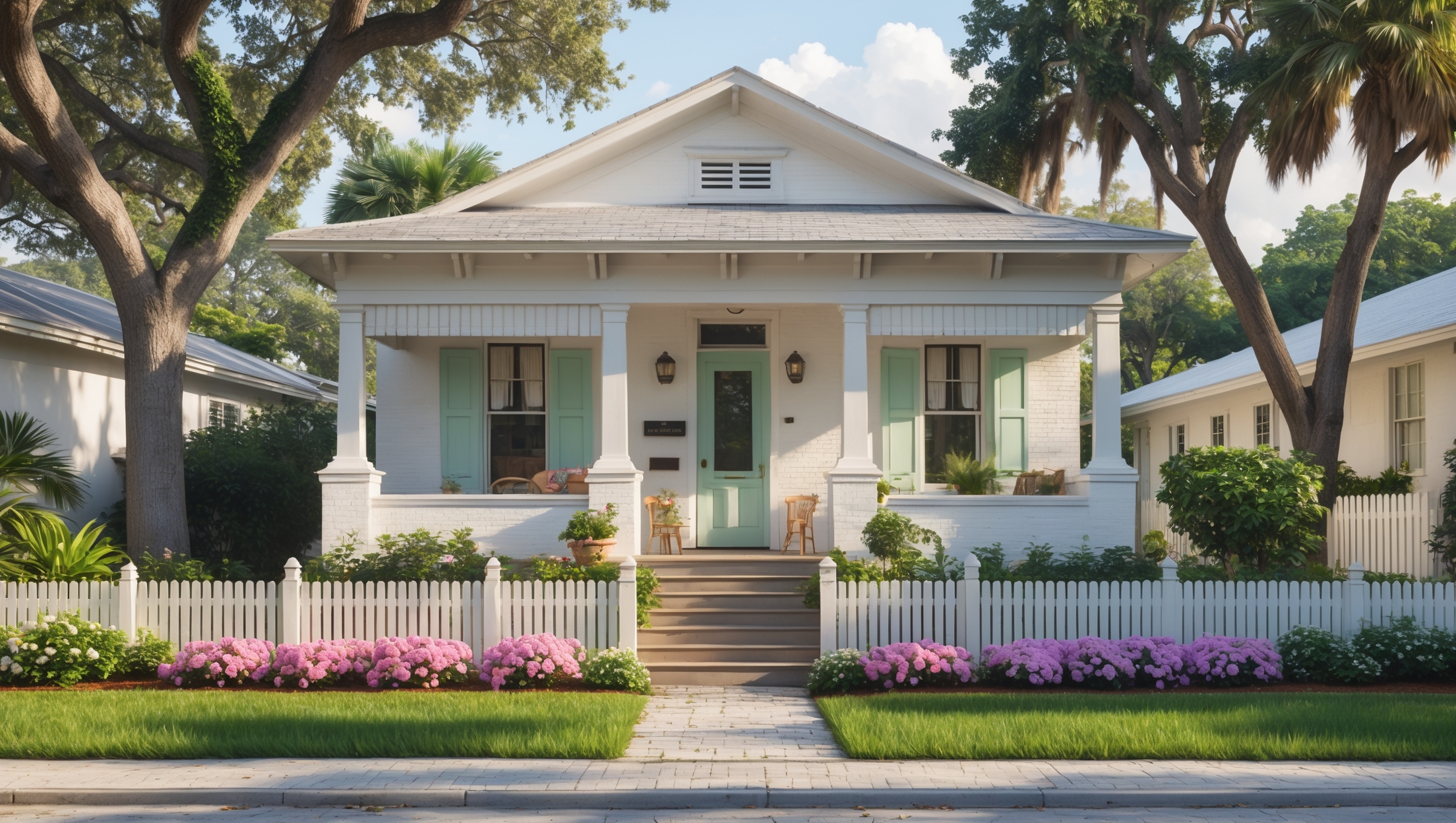
Introduction: Why Historic Home Maintenance Matters in Southeast Seminole Heights
Southeast Seminole Heights boasts one of Tampa’s richest collections of historic homes, from charming Craftsman bungalows to stately Mediterranean Revivals. These architectural gems are a source of neighborhood pride and a tangible link to the area’s vibrant past. However, preserving their character and value requires a proactive, knowledgeable approach to home maintenance. Unlike newer builds, historic homes in Southeast Seminole Heights often feature original materials, unique construction techniques, and period-specific quirks that call for specialized care.
The neighborhood’s subtropical climate—marked by intense sun, heavy summer rains, and high humidity—can accelerate wear and tear, particularly on woodwork, masonry, and vintage roofing. At the same time, local preservation ordinances and the area’s unique ecosystem add layers of complexity to even basic repairs. Whether you’re a seasoned steward of a historic home or a new arrival to one of the area’s tree-lined streets, understanding how to maintain your home seasonally is essential. This guide delivers a comprehensive, season-by-season maintenance checklist tailored to Southeast Seminole Heights, addresses common local issues, and shares pro tips for keeping your historic treasure beautiful, comfortable, and valuable for decades to come.
Understanding the Unique Needs of Southeast Seminole Heights’ Historic Homes
Common Architectural Styles and Their Challenges
- Craftsman Bungalows: Exposed rafter tails, original wood siding, and wide front porches are beautiful but vulnerable to wood rot and termite intrusion.
- Spanish/Mediterranean Revival: Stucco exteriors, clay tile roofs, and arched doorways require vigilant upkeep to prevent water infiltration and cracking.
- American Foursquares & Frame Vernaculars: Often feature original pine floors and double-hung windows that demand careful, periodic attention to preserve their function and appearance.
Local Environmental Factors
- Humidity & Rain: Frequent storms and high moisture levels can drive mold, mildew, and wood decay.
- Heat & Sun: UV exposure can degrade paint, roofing, and window glazing.
- Pests: Termites, carpenter ants, and rodents are persistent threats, especially to homes with crawlspaces and original woodwork.
Permitting and Historic District Guidelines
Many repairs, especially exterior changes, require compliance with local historic preservation guidelines. Always consult the City of Tampa’s Historic Preservation Office before major projects, and use original or approved period-appropriate materials whenever possible.
Spring Maintenance Checklist: Preparing for Humidity and Rain
Inspect and Repair Roofing
- Examine shingles or tiles for cracks, missing pieces, or moss growth. Pay close attention to valleys, flashing, and any roof penetrations.
- Clean gutters and downspouts thoroughly to prevent water backup. Check for sagging or disconnected sections and repair as needed.
- Look for water stains or discoloration on attic rafters and ceilings, which may indicate leaks.
Exterior Woodwork and Paint
- Probe porch columns, railings, window sills, and siding with a screwdriver to check for soft spots or rot.
- Scrape, sand, and repaint any areas where paint is peeling or cracking. Use high-quality exterior paint formulated for humid climates.
- Seal any gaps or joints with appropriate caulk, focusing on window and door trim.
Termite and Pest Vigilance
- Schedule a professional termite inspection each spring—especially vital for homes with crawlspaces or original framing.
- Trim vegetation at least one foot away from the home’s foundation to discourage pests.
- Check for mud tubes, droppings, or discarded wings near baseboards, sills, and beams.
HVAC and Air Quality
- Replace or clean HVAC filters to prepare for heavy summer use.
- Have ductwork professionally inspected and cleaned if you notice excess dust or allergy symptoms.
- Ensure attic vents and soffits are unobstructed for proper airflow.
Summer Maintenance Checklist: Defending Against Heat and Storms
Storm Preparation
- Inspect and reinforce window glazing and putty; repair or replace any loose or cracked panes.
- Install or check the condition of storm shutters if your home has them. For homes with original windows, temporary plywood covers (cut and labeled in advance) can be a lifesaver during hurricane season.
- Secure outdoor furniture and decor to prevent damage in high winds.
Attic and Crawlspace Check
- Look for signs of leaks, mold, or pests. Musty odors, sagging insulation, or visible droppings should be addressed immediately.
- Confirm that vent screens are intact to keep out rodents and bats.
- Check crawlspace vapor barriers for tears or displacement.
Plumbing and Drainage
- Examine outdoor hose bibs and exposed pipes for leaks or corrosion.
- Test sump pumps (if present) and clear any debris from area drains or French drains.
- Assess grading around the foundation; soil should slope away from the house to minimize water intrusion.
Paint and Exterior Surfaces
- Wash exterior walls, porches, and trim to remove pollen, mold, and grime. Use a gentle cleanser suitable for historic materials.
- Touch up paint as needed to protect against sun and rain.
- Check for and remove wasp or hornet nests from eaves, porch ceilings, and outbuildings.
Fall Maintenance Checklist: Getting Ready for Cooler Months
Chimney and Fireplace
- Schedule a professional chimney sweep if your home has a working fireplace. Inspect for loose bricks, cracked mortar, or creosote buildup.
- Check flue dampers for smooth operation and a tight seal.
Window and Door Maintenance
- Inspect and repair weatherstripping around doors and windows to boost energy efficiency.
- Lubricate sash pulleys and check that all windows open and lock securely.
- Replace worn threshold sweeps to prevent drafts and pest entry.
Yard and Landscaping
- Prune trees and shrubs to eliminate branches overhanging the roof or power lines.
- Rake leaves and clear debris from gutters and drainage ditches.
- Mulch garden beds to retain soil moisture and insulate plant roots.
Interior Upkeep
- Check interior walls and ceilings for hairline cracks or moisture spots, which may signal settling or leaks.
- Test smoke and carbon monoxide detectors; replace batteries as needed.
- Review your home emergency plan and refresh your hurricane kit if needed.
Winter Maintenance Checklist: Protecting Against the Off-Season
Pipes and Plumbing
- Insulate exposed pipes in crawlspaces and attics to protect against rare but possible cold snaps.
- Check that shutoff valves are accessible and clearly labeled in case of emergency.
- Run water in seldom-used sinks or tubs regularly to prevent trap dry-out and sewer gas odors.
Heating Systems
- Service your furnace or heat pump; clean or replace filters and verify that thermostats are accurate.
- Check that floor or wall registers are unobstructed for optimal airflow.
- If your home uses space heaters, inspect cords and outlets for safety.
Interior Preservation
- Monitor for interior condensation on windows, which can signal inadequate ventilation or insulation.
- Keep humidity in check with portable dehumidifiers if needed, especially in older homes with tight construction.
- Rotate rugs and rearrange furniture to prevent uneven floor wear in high-traffic areas.
Addressing Common Local Issues in Historic Homes
Wood Rot and Termite Damage
Wood rot is a perennial concern in Southeast Seminole Heights’ humid climate. Early signs include peeling paint, spongy surfaces, and musty smells. Replace or repair affected wood promptly. For small spots, use epoxy consolidants and wood fillers; for extensive damage, use matching species and milling profiles. Always treat repaired areas with borate solutions to deter future infestations. Engage a licensed pest control specialist for ongoing termite protection—local experience matters, as older neighborhoods often have hidden colonies.
Masonry Cracks and Moisture Intrusion
Historic stucco and brick homes are particularly vulnerable to cracks, which can let in water and lead to major structural issues. Inspect all exterior surfaces annually. For hairline cracks, use a flexible, breathable masonry sealant. For larger cracks or bulging, consult a masonry restoration expert familiar with Tampa’s historic homes. Always match mortar composition to the original to prevent further damage.
Original Windows: Restoration vs. Replacement
Original wood windows are often worth saving for both historic integrity and quality. Use gentle cleaning methods, replace glazing putty, and maintain paint. Weatherstrip and add interior storm panels for energy efficiency. Only replace windows as a last resort and always check local preservation requirements first. If replacement is necessary, choose custom wood or high-quality composites that replicate original profiles.
Lead Paint and Asbestos Awareness
Many homes built before 1978 may contain lead paint or asbestos in flooring, insulation, or textured ceilings. Never sand or remove suspect materials without proper safety measures. Hire EPA-certified contractors for abatement and always follow local health guidelines.
Pro Tips: Preserving Historic Character While Upgrading Functionality
Choosing the Right Materials
- Source wood siding, trim, and shingles from local salvage yards or mills specializing in historic reproductions.
- Use lime-based mortar for brickwork to match older masonry’s breathability.
- Opt for oil-based or high-adhesion primers when repainting over old finishes.
Modern Upgrades with Historic Sensibility
- Install programmable thermostats, but conceal wiring to preserve period details.
- Choose low-profile storm windows or interior panels to improve efficiency without altering exteriors.
- Upgrade electrical systems for safety, but use vintage-style switch plates and fixtures where possible.
Documentation and Record-Keeping
- Keep a maintenance log with dates, contractors, and materials used for all work performed. This is invaluable for both your records and future owners.
- Photograph before-and-after shots of significant repairs for insurance and historical documentation.
Trusted Local Resources for Historic Homeowners
- City of Tampa Historic Preservation Office: Guidance on permits, approved materials, and compliance.
- Southeast Seminole Heights Civic Association: Connects residents with recommended contractors and neighborhood preservation events.
- Tampa Bay Salvage & Local Mills: Sources for period-appropriate materials and hardware.
- Licensed Pest Control and Roofing Specialists: Look for companies with documented experience in historic home restoration.
Conclusion: Protecting the Past, Ensuring the Future
Owning a historic home in Southeast Seminole Heights is both a privilege and a responsibility. These homes are living pieces of Tampa’s history, cherished for their craftsmanship, quirky details, and connection to the community’s roots. Yet, the same features that make them special require an attentive, informed approach to maintenance. By following a seasonal checklist tailored to local conditions and addressing common regional challenges—from relentless humidity to persistent pests—you can safeguard your home’s beauty and structural integrity, all while preserving its unique story for future generations.
Remember, proactive care is far more effective and cost-efficient than emergency repairs. Routine inspections, timely attention to small issues, and a respect for original materials are the hallmarks of successful historic homeownership. Tap into local expertise, document your work, and don’t be afraid to invest in professional help for complex repairs—especially when dealing with structural, roofing, or hazardous materials. The reward is not just a comfortable and efficient living space, but the satisfaction of stewarding a genuine piece of Southeast Seminole Heights’ heritage. With thoughtful, consistent maintenance, your historic home will continue to stand as a testament to the neighborhood’s enduring spirit and charm for decades to come.
For a Craftsman bungalow with exposed rafter tails in this climate, are there specific wood treatments or sealants you’d recommend to prevent rot and termite damage without compromising the historic look?
For exposed rafter tails on a Craftsman bungalow, use a clear or lightly tinted penetrating wood preservative that protects against both moisture and insects. Look for products labeled for historic homes and avoid thick, glossy finishes. Reapply every few years, and check for any cracks or damage regularly to keep the historic look intact while protecting the wood.
For Craftsman bungalows in this area, what’s the best way to regularly check for wood rot or termite damage, given the humidity and heavy rains? Should inspections be done seasonally or more often?
For Craftsman bungalows in our humid, rainy climate, it’s smart to inspect for wood rot and termite damage at least every season—ideally every three months. Focus on porch posts, window sills, and crawl spaces. Look for soft spots, blistering paint, or mud tubes. After heavy rains, a quick visual check is helpful to catch problems early.
For someone new to historic home ownership in Southeast Seminole Heights, which maintenance tasks should be prioritized before the heavy summer rains hit?
Before the summer rains, focus on clearing gutters and downspouts, inspecting and repairing your roof, sealing windows and doors, and checking for any foundation cracks. Also, trim trees and shrubs close to the house to prevent damage and improve drainage around your property.
How strict are the local preservation ordinances when it comes to replacing original windows or roofing materials in Southeast Seminole Heights? Are there affordable options that still comply?
In Southeast Seminole Heights, preservation ordinances are quite strict about maintaining the original look of windows and roofing, especially for homes within historic districts. However, affordable options exist—like using modern materials that closely replicate the historic appearance—and these are often approved if they match the original style and color. Always check with the local historic preservation office before starting any changes.
You mention that heavy summer rains and high humidity in Southeast Seminole Heights can speed up wear on original woodwork. What specific maintenance steps do you recommend before the rainy season to help prevent rot and termite issues?
Before the rainy season, inspect all exterior wood for cracks, peeling paint, or soft spots. Repaint or reseal exposed surfaces with weather-resistant products. Check and clean gutters to ensure proper drainage away from the foundation. Trim back vegetation touching the house, as it can trap moisture and attract termites. Consider scheduling a professional termite inspection to catch any early signs of infestation.
For original wood siding on Craftsman bungalows, are there certain products or methods you recommend for protecting against the humidity and rain unique to Southeast Seminole Heights?
For Craftsman bungalows with original wood siding, use a high-quality, exterior-grade acrylic latex paint or stain designed for humid climates. Before painting, repair and seal any gaps with a flexible, paintable caulk. Regularly inspect for peeling and touch up as needed. Consider applying a mildew-resistant primer to further protect against moisture common in Southeast Seminole Heights.
Could you share some tips for doing seasonal maintenance on double-hung windows in older frame vernacular houses? I struggle to keep them functional without damaging the original features.
To maintain double-hung windows in older frame vernacular homes, gently clean tracks and sashes with a soft brush and mild soap. Lubricate pulleys and tracks with silicone spray, not oil, to avoid residue. Check weatherstripping and replace carefully if worn. When painting, avoid sealing window seams shut. Always use gentle tools to prevent damage to original wood or glass.
You mention that local preservation ordinances can complicate basic repairs. How do homeowners balance these regulations when needing to urgently fix things like cracked stucco or damaged vintage roofing after a big summer storm?
When urgent repairs are needed, homeowners should document the damage with photos and contact the local preservation board as soon as possible. Many ordinances allow for emergency stabilization to prevent further harm. It’s important to follow up with proper permits and approved materials afterward to stay compliant, but most officials understand the need for immediate action in emergencies.
As a first-time homeowner with a Craftsman bungalow, I’m a bit overwhelmed by how quickly the Florida humidity seems to affect the original wood siding. How often should I be checking for early signs of rot or termite issues here in Southeast Seminole Heights?
In Southeast Seminole Heights, it’s best to check your wood siding every two to three months due to the high humidity and termite activity. Look closely for soft spots, discoloration, or small holes, especially after heavy rain. Early and regular inspections help catch issues before they become major repairs.
Is there an average annual upkeep cost for historic Mediterranean Revival homes in this area, considering the frequent rains and need for specialized materials?
In Southeast Seminole Heights, annual upkeep for historic Mediterranean Revival homes typically ranges from $5,000 to $12,000. This estimate takes into account Florida’s frequent rains, which can accelerate roof and stucco repairs, as well as the higher cost for period-appropriate materials and skilled craftsmen.
For Mediterranean Revival homes in this area, how often should we be inspecting the stucco and clay tile roofs for cracks or leaks, especially with the heavy summer rains?
For Mediterranean Revival homes in Southeast Seminole Heights, it’s wise to inspect stucco and clay tile roofs at least twice a year—once before and once after the rainy season. After particularly heavy summer storms, do an additional check to catch cracks or leaks early and prevent moisture damage.
You mention that original wood siding on Craftsman bungalows is especially vulnerable to rot and termites in this climate. What are some effective, historically appropriate treatments to protect the wood without compromising the home’s period look?
To preserve original wood siding while maintaining the historic look, use clear or lightly pigmented penetrating oils or stains, which protect against moisture and pests without forming a thick film. Regularly inspect for damage, repair with wood epoxy if needed, and avoid modern synthetic coatings that can trap moisture. Borate-based treatments are also effective and minimally visible for termite prevention.