
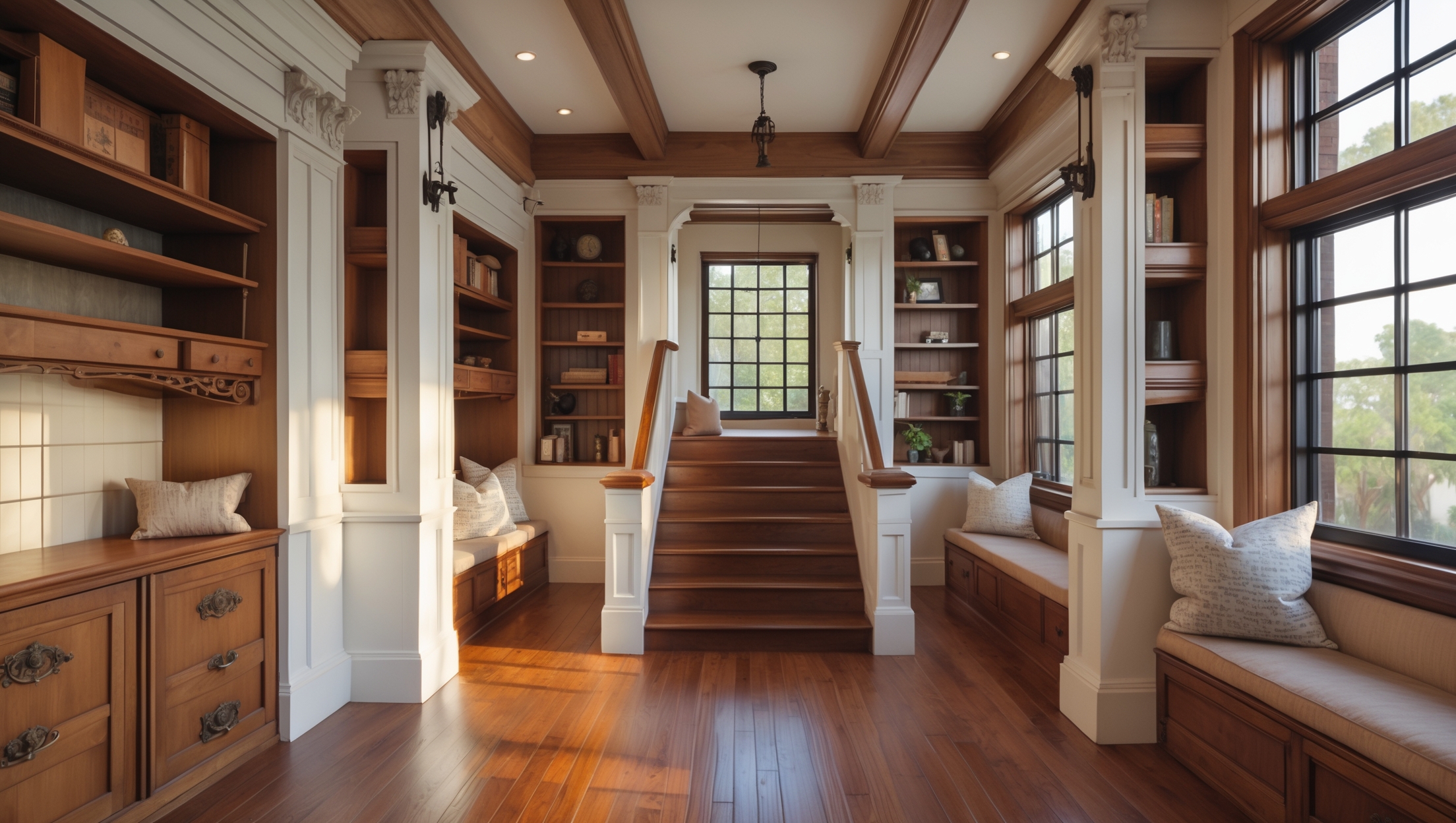
Introduction: Storage Challenges in Southeast Seminole Heights’ Historic Homes
Southeast Seminole Heights is renowned for its charming bungalows and historic homes that evoke the neighborhood’s rich heritage. While these houses brim with character, they often lack the generous storage spaces found in modern builds. If you’re a local homeowner, you’ve probably wondered how to organize your life without sacrificing the unique details that make your home special. Bulky wardrobes, cramped closets, and cluttered corners are common frustrations—and many off-the-shelf storage solutions can disrupt your home’s vintage appeal or run afoul of local historic guidelines.
The good news? With creative planning and local expertise, you can add smart storage upgrades that respect your home’s history. This guide dives deep into practical, space-saving strategies for Southeast Seminole Heights homes, with a focus on blending modern convenience with period charm. We’ll cover built-ins, hidden storage, attic and basement ideas, compliance tips, trusted local resources, and maintenance strategies to ensure every inch of your home works as hard as you do—without sacrificing its soul.
Understanding Your Home’s Storage Potential
The Typical Floor Plan of Southeast Seminole Heights Bungalows
Many homes in the area feature Craftsman, Mission, or Minimal Traditional styles, built with compact layouts, cozy rooms, and limited closet space. Tall ceilings, deep window wells, and the occasional built-in are common, but storage is rarely optimized. Before you start planning, take stock of your home’s unique features:
- Unfinished attics with roof slopes perfect for custom shelving
- Deep baseboards and picture rails that can conceal narrow cabinetry
- Original nooks (like phone alcoves or ironing board cabinets) with hidden potential
- Wide window sills and generous stairwells
Assessing Needs: What Do You Really Need to Store?
Before investing in solutions, make a detailed inventory. Separate your belongings into categories: seasonal items, keepsakes, daily-use goods, and bulky equipment (like bikes or lawn tools). This clarity helps you prioritize which areas need the most attention and prevents overbuilding or wasting precious square footage.
Built-In Storage: Maximizing Space Without Losing Character
Why Built-Ins Suit Historic Homes
Built-ins are a hallmark of period homes, seamlessly blending storage into the architecture. They’re less bulky than standalone furniture and can be customized to match woodwork, hardware, and finishes. In Southeast Seminole Heights, a well-executed built-in can even boost your property’s value by adding storage without altering the home’s footprint.
Popular Built-In Ideas for Local Homes
- Bookcases with Window Seats: Transform a sunny bay window into a cozy reading nook with storage underneath for linens or children’s toys.
- Dining Room Buffets: Built directly into a dining room wall, these offer space for dinnerware and linens while echoing original millwork.
- Bedroom Wardrobe Walls: Where closets are small, a wall of shallow built-ins can hold clothing and shoes without dominating the room.
- Entryway Mudrooms: Use an enclosed porch or hallway to create cubbies for shoes, coats, and umbrellas, echoing early-20th-century cloakroom details.
Design Tips: Respecting Local Character
- Match wood species, stain, and molding profiles to your home’s original trim.
- Choose hardware (knobs, pulls, hinges) in period-appropriate finishes—think oil-rubbed bronze, glass, or enamel.
- Integrate built-ins into natural alcoves or dead corners to avoid compromising flow.
Hidden and Multipurpose Storage Solutions
Clever Underutilized Spaces
Historic homes abound with overlooked nooks and crannies. Consider these smart upgrades:
- Under-Stair Drawers and Closets: Convert the space beneath your staircase into pull-out drawers for shoes, bags, or pet supplies.
- Behind-the-Door Racks: Use slim racks or pegboards on closet and pantry doors for cleaning supplies or small tools.
- Above-Door Shelves: Install shallow shelves above doorways for displaying baskets or seldom-used items.
- Toe-Kick Drawers: In kitchens or baths, the space beneath lower cabinets can hide slide-out drawers for pans or cleaning products.
Furniture That Doubles as Storage
- Storage Ottomans and Benches: Perfect for living rooms or entryways; choose fabrics and legs that echo your home’s era.
- Lift-Top Coffee Tables: Store games, remotes, or reading materials out of sight.
- Murphy Beds with Shelving: Ideal for guest rooms or home offices, freeing up floor space when not in use.
Case Study: A Local Success Story
One Southeast Seminole Heights homeowner transformed their under-stair space with custom drawers faced in beadboard to match the original paneling, providing a tidy spot for shoes and dog leashes. The project, done by a local carpenter, cost under $1,500 and preserved the home’s historic baseboard profiles.
Attic and Basement Storage: Opportunities and Caveats
Attic Storage Tips
Many local attics are unfinished but accessible. Before converting yours into storage, consider:
- Insulation and Ventilation: Southeast Seminole Heights’ climate means attics can reach extreme temperatures. Proper insulation and ventilation are essential to protect your belongings from heat and humidity damage.
- Flooring: Lay down sturdy plywood or engineered panels, ensuring they’re anchored to joists but don’t compress insulation.
- Built-In Shelving: Use the roof slope for shallow shelves—ideal for holiday décor or archives.
Basement and Crawlspace Storage
While full basements are rare, some homes have partial cellars or generous crawlspaces. Use these areas for non-valuable, weather-resistant items (like gardening gear) and consider:
- Install vapor barriers and dehumidifiers to control moisture.
- Keep items off the ground using metal shelving or pallets.
- Regularly inspect for pests or leaks, especially during rainy season.
Compliance Alert: Permits and Moisture Control
Before finishing attic or basement areas, check with Tampa’s permitting office. Historic homes may have restrictions on altering rooflines or adding windows, and improper insulation can lead to costly moisture problems. Always consult with a licensed contractor familiar with local code and historic guidelines.
Outdoor Storage: Functional Yet Attractive Solutions
Blending Storage with Curb Appeal
Outdoor storage is essential for bikes, tools, and lawn gear—but a bulky plastic shed can detract from your home’s charm. Instead, consider:
- Custom Wood Sheds: Paint or stain to match your home’s exterior. Local carpenters can mimic historic siding profiles for a seamless look.
- Enclosed Porch Storage: Add built-in benches with locking lids for garden tools or cushions.
- Storage Benches and Planter Boxes: Dual-purpose features that add greenery and hide hoses, toys, or outdoor supplies.
Local Ordinances and Historic Review
Accessory structures may require permits, especially in historic districts. Consult the City of Tampa’s guidelines before building sheds or large storage boxes, and opt for reversible options if you wish to avoid lengthy approvals.
Storage Upgrades on a Budget: Prioritizing Projects
Cost-Effective Ideas for DIYers
- Use adjustable wire shelving in closets and pantries—easy to install, removable, and budget-friendly.
- Add hooks and pegboards to laundry rooms or utility areas for vertical storage.
- Repurpose vintage furniture (like old trunks or dressers) as storage solutions that fit your home’s age.
When to Hire a Pro
Custom built-ins, attic conversions, and major cabinetry are best left to local carpenters who understand historic materials and can work within neighborhood guidelines. Request several quotes and ask to see examples of similar projects in Southeast Seminole Heights before committing.
Sample Budget Breakdown
- Basic closet system (DIY): $150–$400
- Custom window seat built-in: $1,200–$2,500
- Under-stair storage retrofit: $1,000–$2,000
- Outdoor custom shed (permit + build): $3,000–$6,000
Maintaining and Updating Storage Over Time
Protecting Your Investment
Storage solutions are only effective if they remain tidy and functional. Adopt these maintenance tips:
- Declutter seasonally—donate or discard items you no longer need.
- Inspect built-ins yearly for settling, warping, or pest activity.
- Keep humidity in check, especially in attics and crawlspaces.
- Repaint or refinish surfaces as needed to match original finishes.
Upgrading as Needs Change
As your family grows or hobbies shift, revisit your storage plan. Built-ins can often be modified or extended, and furniture-based solutions are easily swapped out. Keep an eye on local home tours or historic open houses for inspiration and trusted vendor referrals.
Local Resources: Where to Find Help and Inspiration
- Tampa Historic Preservation Office: For guidance on compliant upgrades
- Seminole Heights Neighborhood Association: Community forums, recommendations, and local contractor lists
- Local salvage yards and architectural antiques shops: For period-appropriate materials and hardware
- Annual Southeast Seminole Heights Home Tour: See storage solutions in action and meet local craftspeople
Conclusion: Embracing Smart Storage Without Compromising Heritage
The beauty of Southeast Seminole Heights lies in its blend of historic charm and vibrant local life. Maximizing storage in your home doesn’t mean sacrificing original details or community character—in fact, the best solutions honor your home’s past while meeting your modern needs. By investing in thoughtful upgrades, whether it’s a custom built-in, cleverly repurposed furniture, or a humidity-proof attic storage system, you’ll enjoy a tidier, more functional home and preserve its value for years to come. Always start with a clear plan, respect local guidelines, and lean on the wealth of local expertise available in our neighborhood. As you transform your cluttered corners into organized spaces, you’ll find that smart storage is about more than just convenience—it’s about stewardship, creativity, and enhancing daily life in one of Tampa’s most beloved communities.
Ready to reimagine your home’s storage? Take inspiration from your neighbors, consult local pros, and remember: every project is an opportunity to write the next chapter of your home’s story—one that’s as practical as it is beautiful.
Could you share any trusted local resources in Southeast Seminole Heights who specialize in building built-ins that match the Craftsman or Mission style? I’m nervous about hiring someone who doesn’t understand the period details.
In Southeast Seminole Heights, look for carpenters or woodworkers who have experience with historic renovations—many local specialists can replicate Craftsman or Mission-style details. You might start by asking neighbors in historic districts or visiting local lumberyards for recommendations, as they often know skilled artisans familiar with period-appropriate work.
How tricky is it to add custom shelving to an unfinished attic in one of these older bungalows without messing up the existing structure or style?
Adding custom shelving to an unfinished attic in an older bungalow can be straightforward if you plan carefully. Use freestanding or minimally attached shelves to avoid damaging original beams or plaster. Stick to materials and finishes that match the home’s character. Consulting a professional ensures stability and preserves the historic structure.
Could you share more detail on how to add built-in storage to Southeast Seminole Heights bungalows without damaging original woodwork or violating historic guidelines?
To preserve original woodwork and stay within historic guidelines, focus on freestanding built-ins like custom-fit shelves or cabinets that rest against walls without attaching to original trim. Use reversible installation methods, such as tension rods or non-permanent fasteners. Always consult with your local preservation office before making changes—they can offer approved strategies specific to Southeast Seminole Heights bungalows.
For upgrading attic storage in these older bungalows, are there recommendations for insulation or ventilation improvements to consider at the same time? I’d love to avoid moisture issues while adding shelves up there.
When upgrading attic storage in older bungalows, it’s wise to address insulation and ventilation. Consider adding or upgrading insulation to maintain indoor temperature and prevent condensation. Proper attic ventilation, like ridge vents or soffit vents, helps reduce moisture buildup. This combination can help you avoid mold and moisture issues while safely adding new shelving.
If I want to add hidden storage behind my deep baseboards, is this something a DIYer can handle, or should I call in a pro to stay within historic guidelines?
Adding hidden storage behind deep baseboards can be a DIY project if you have solid carpentry skills and a good understanding of your home’s structure. However, since your home is historic, it’s wise to check local guidelines first and consider consulting a pro to ensure any changes remain compliant and don’t damage original features.
If my bungalow has really deep baseboards, what kind of narrow cabinetry works best so it still blends in with period details?
For bungalows with deep baseboards, consider installing shallow wall-mounted cabinets or picture rail shelves that sit just above the baseboards. Choose cabinetry with inset panel doors and vintage-style hardware to echo period details. Matching the cabinet paint or stain to your existing trim will help it blend seamlessly with your bungalow’s character.
When adding storage to small bungalows with high ceilings, is it better to go vertical with shelving or try under-window or stairwell spaces first?
If your bungalow has high ceilings, vertical shelving is a smart way to capitalize on unused wall space without taking up floor area. However, under-window and stairwell spaces are also valuable for discreet storage that doesn’t dominate a room. Ideally, combine both approaches to maximize storage while keeping your home’s character intact.
I love the idea of using attic space for custom shelving. What kind of budget should I expect for a project like that, and are there local professionals you recommend for these kinds of builds?
Custom attic shelving projects typically range from $1,000 to $4,000, depending on materials, attic accessibility, and the complexity of the shelves you want. For historic homes in Southeast Seminole Heights, it’s wise to look for local carpenters or contractors experienced with older properties. Asking neighbors for referrals or checking community boards can help you find trusted professionals familiar with these unique spaces.