
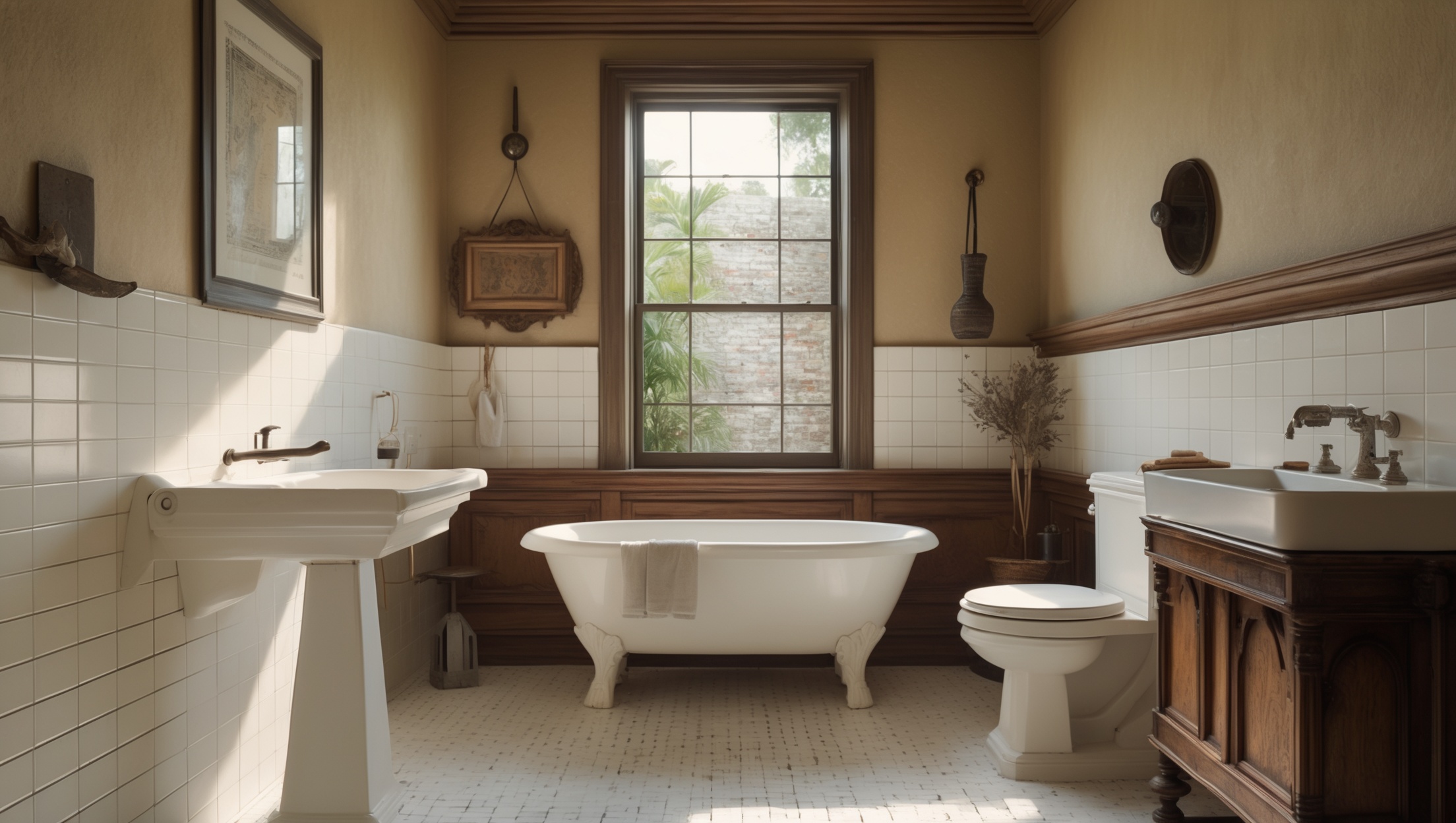
In Southeast Seminole Heights, historic charm meets modern living—and nowhere does this intersection feel more pressing than in the small, often cramped bathrooms of our neighborhood’s classic bungalows and cottages. If you’re a local homeowner, you know the struggle: limited square footage, outdated layouts, and the challenge of upgrading a space without sacrificing the character that makes Seminole Heights so special. Fortunately, expanding a small bathroom in our community is not only possible, but can also significantly boost daily comfort, appeal, and long-term value.
This guide is tailored to Southeast Seminole Heights residents thinking about expanding or reconfiguring a small bathroom. We’ll dive into current local design trends, typical cost breakdowns, and realistic budget ranges—plus the all-important permitting, code, and historic compliance steps unique to our area. You’ll also find practical, space-saving solutions, tool recommendations, and expert tips for making the most of every inch. Whether you’re planning a DIY refresh or working with local pros, this post will help you avoid common pitfalls and ensure your bathroom expansion is a smart, satisfying investment in your Southeast Seminole Heights home.
Why Expand a Small Bathroom in Southeast Seminole Heights?
Addressing Local Challenges
Many homes in Southeast Seminole Heights were built in the early-to-mid 20th century, when bathrooms were typically compact and utilitarian. As lifestyles and expectations have evolved, homeowners increasingly desire larger, more functional bathrooms with modern amenities—double vanities, walk-in showers, and improved storage.
- Added Comfort: More space means easier movement, less clutter, and a more enjoyable daily routine.
- Home Value: Expanded, updated bathrooms are a major selling point for local buyers, especially in historic neighborhoods.
- Aging in Place: Larger bathrooms can accommodate accessibility upgrades like walk-in showers or grab bars, allowing homeowners to stay in their homes longer.
Understanding Local Trends in Bathroom Expansions
Design Approaches Popular in Southeast Seminole Heights
Homeowners here often balance historic preservation with modern convenience. Some current trends include:
- Borrowing Space: Expanding into adjacent closets, hallways, or underutilized guest rooms to enlarge the bathroom footprint.
- Light Maximization: Adding or enlarging windows and using glass shower enclosures to amplify natural light in small spaces.
- Vintage-Modern Fusion: Retaining original tilework, clawfoot tubs, or beadboard wainscoting while introducing new fixtures and efficient layouts.
- Compact Fixtures: Installing wall-hung toilets and sinks, pocket doors, or corner vanities to conserve space.
- Wet Room Conversions: Removing barriers between shower and rest of the bathroom for a seamless, open feel—especially effective in tiny spaces.
Cost Breakdown: What to Expect in Southeast Seminole Heights
Budgeting for Your Project
Bathroom expansion costs can vary widely, depending on scope, materials, and whether you’re moving plumbing or structural walls. Here’s a realistic breakdown for our neighborhood:
- Design & Planning: $1,000–$3,000
(Architectural drawings or designer fees for historic homes or complex layouts) - Permits & Fees: $400–$1,000
(City of Tampa building permits; additional costs for historic review if applicable) - Demolition: $500–$2,000
(Careful demo is often needed to preserve historic features) - Framing & Structural Work: $1,500–$5,000
(Opening up walls, reinforcing joists, or expanding floor space) - Plumbing: $2,000–$7,000
(Relocating or upgrading pipes, adding fixtures) - Electrical: $800–$3,000
(Updating wiring, adding outlets, lighting, vent fans) - Fixtures & Finishes: $3,000–$10,000
(Tubs, toilets, sinks, tile, cabinetry, lighting) - Labor: $5,000–$15,000
(General contractor, specialty trades, finish carpentry)
Total Typical Range: $14,700–$46,000+
DIYers can trim some labor costs, but plumbing, electrical, and structural work in historic homes is best left to pros familiar with local codes.
Permits, Compliance, and Historic Considerations
Understanding Local Regulations
Southeast Seminole Heights falls under the City of Tampa’s permitting requirements, and many homes are located in locally designated historic districts. Here’s how to stay compliant:
- Building Permits: Required for bathroom expansions, especially if you’re altering walls, plumbing, or electrical systems.
- Historic Review: If your home is within a historic district, you may need approval from the Architectural Review Commission (ARC) for exterior changes or if visible from the street.
- Floodplain Compliance: Parts of the neighborhood may be in flood zones—verify if additional elevation or waterproofing is needed.
- Inspections: City inspections typically cover rough plumbing, electrical, framing, and final completion.
Tip: Start by consulting the City of Tampa’s online permit portal and, if needed, schedule a meeting with the local historic preservation office. This minimizes costly delays.
Smart Space-Saving Solutions for Southeast Seminole Heights Homes
Making Every Inch Count
Historic homes rarely have extra space to spare. Here are proven strategies for expanding a bathroom while maximizing efficiency:
- Pocket or Barn Doors: Replace traditional swing doors to free up precious floor space.
- Wall-Mounted Fixtures: Toilets and vanities that float above the floor create a sense of openness and make cleaning easier.
- Recessed Storage: Medicine cabinets, shelving, or towel nooks built into wall cavities save space and reduce clutter.
- Glass Shower Panels: Frameless glass enclosures visually expand the room and maximize light.
- Light, Reflective Surfaces: Subway tile, glossy paint, and well-placed mirrors bounce light and make small spaces feel bigger.
- Corner Fixtures: Sinks, toilets, or showers designed for corners can open up floor area.
- Compact Soaking Tubs: Shorter, deeper tubs offer luxury soaking in a smaller footprint.
Borrowing Space Creatively
In Southeast Seminole Heights, bathroom expansions often mean capturing space from:
- Adjacent closets—especially those with underused storage
- Small bedrooms or guest rooms (sometimes reducing a three-bedroom to a two-bedroom for a larger master suite)
- Hallways with extra width or unused linen closets
- Porch or mudroom conversions for new bathroom additions
Always verify that any structural changes maintain your home’s integrity and code compliance.
Step-by-Step: Planning Your Bathroom Expansion
1. Assess Needs and Set Priorities
- Who will use the bathroom? (Guest, master, kids, accessibility needs?)
- What’s driving the expansion—storage, shower size, double sinks?
- How much space is realistically available to borrow?
2. Sketch Layout Options
- Use graph paper or free online tools to test different layouts.
- Mark existing plumbing lines—keeping these in place can save thousands.
- Consider window placement for natural light and ventilation.
3. Establish Budget and Timeline
- Get ballpark estimates from local contractors familiar with historic homes.
- Factor in 10–20% contingency for surprises (old plumbing, hidden rot, etc.).
- Ask contractors for realistic timelines (4–12 weeks is typical).
4. Secure Permits and Approvals
- Submit plans to the City of Tampa.
- If applicable, prepare documentation for historic review.
- Don’t start demolition until all permits are in hand.
5. Select Materials and Fixtures
- Source period-appropriate finishes for historic charm (e.g., hex tile, beadboard, cast iron tubs).
- Pick water-efficient fixtures to lower utility bills and meet Florida codes.
- Visit local showrooms or salvaged material suppliers for unique finds.
6. Demo and Construction
- Protect historic trim, doors, and floors if reusing.
- Follow safety protocols—old homes may contain lead paint or asbestos.
- Work in phases: demolition, rough plumbing/electrical, framing, drywall, tile, then finish work.
7. Final Touches and Inspection
- Install fixtures, lighting, and accessories.
- Schedule city inspections for sign-off.
- Enjoy your upgraded, spacious bathroom!
Common Mistakes to Avoid in Southeast Seminole Heights
- Skipping Permits: Unpermitted work can halt your project and create resale headaches—always pull proper permits.
- Overbuilding: Taking too much space from bedrooms or closets can decrease your home’s value—balance bathroom size with overall function.
- Ignoring Historic Details: Removing original tile, windows, or trim can reduce your home’s character and historic value.
- Underestimating Surprises: Old plumbing, electrical, or hidden water damage are common in local homes—budget extra for contingencies.
- Poor Ventilation: Small bathrooms are prone to mold—always include a strong, code-compliant exhaust fan.
Recommended Tools and Local Resources
Essential Tools for DIYers
- Stud finder (for safe wall demolition)
- Oscillating multi-tool (precise cuts in tight spaces)
- Wet tile saw (for custom tilework)
- Laser level (for perfect tile and fixture alignment)
- HEPA vacuum (for dust containment, especially in old homes)
Where to Source Materials Locally
- Seminole Heights architectural salvage yards for vintage fixtures
- Local tile and plumbing showrooms (many offer historic-style lines)
- Eco-friendly building supply stores for water-saving fixtures
Maintenance Best Practices After Expansion
Once your new bathroom is complete, keep it in top shape by:
- Sealing grout and caulk annually to prevent leaks
- Checking for slow leaks under sinks, around toilets, and behind shower walls
- Regularly cleaning exhaust fans and vents to reduce humidity and mold risk
- Touching up paint and finishes to preserve historic details
Conclusion: Expanding Your Bathroom, Enhancing Your Home
Transforming a small bathroom in your Southeast Seminole Heights home is about more than just extra square footage—it’s an opportunity to weave modern comfort and function into the rich historic fabric of our beloved neighborhood. By understanding local trends, setting a realistic budget, and working within city and historic guidelines, you can create a bathroom that meets your needs today while honoring the legacy of your home for years to come.
Whether you’re dreaming of a light-filled master bath, a compact guest suite, or simply a little more elbow room in your daily routine, careful planning is essential. Start by clarifying your goals, consulting with local professionals, and choosing materials that respect both your budget and your home’s character. Don’t forget to factor in maintenance and proper ventilation—two keys to ensuring your investment stands the test of time in Florida’s humid climate.
Above all, remember that even the smallest spaces can be transformed with creativity, care, and a nod to the unique charm that makes Southeast Seminole Heights so special. With the right approach, your expanded bathroom will not only add value and comfort, but also enhance the story your home tells for generations.
For homes in Southeast Seminole Heights that fall under historic compliance, what are some common permitting challenges people face when trying to expand a bathroom, and are there any workarounds to preserve the original character while updating the space?
Homes under historic compliance in Southeast Seminole Heights often face challenges like needing approval from historic boards, restrictions on altering exterior features, and requirements to use period-appropriate materials. Workarounds include focusing on interior changes, using fixtures that match the original style, and consulting with preservation specialists to find solutions that respect the home’s character while allowing modern upgrades.
What are some space-saving solutions you’ve seen work best in older bungalows where moving plumbing might not be an option? I want to upgrade but keep the renovation as simple as possible.
In older bungalows where plumbing changes are tricky, wall-mounted sinks, compact vanities, and over-the-toilet shelving are especially helpful. Adding recessed shelves between studs can boost storage without taking up floor space. Sliding doors or pocket doors also save room compared to standard door swings.