
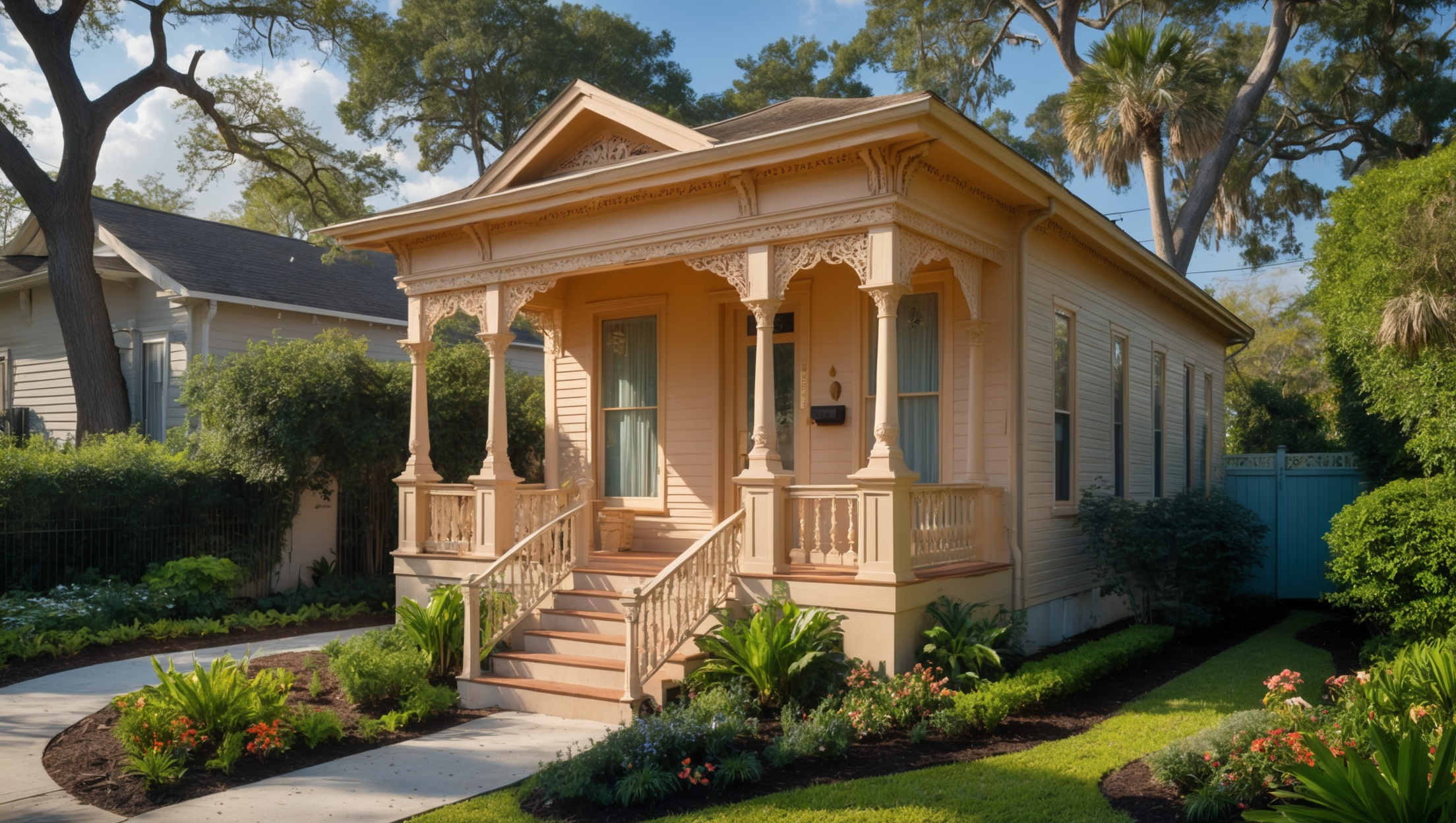
Introduction: Navigating Home Improvements Without the Paperwork
Tackling home improvement projects in Southeast Seminole Heights can be exciting, but the mention of permits, inspections, and municipal red tape is enough to make even seasoned renovators pause. The good news? Not every project requires you to navigate the complexities of city hall. Whether you’re hoping to boost curb appeal with a new garden, update your kitchen with fresh fixtures, or add outdoor lighting, there are many improvements you can legally make without pulling a permit. However, the local rules are nuanced, especially in a historically rich and tightly knit neighborhood like Southeast Seminole Heights. Understanding which tasks are truly permit-free — and where you might inadvertently step over the line — is key to making smart, stress-free upgrades to your home. In this comprehensive guide, we’ll break down the types of projects that typically don’t require permits, local guidelines unique to our neighborhood, and practical tips for maximizing your improvements while staying on the right side of compliance. Whether you’re a first-time homeowner or a DIY veteran, you’ll find actionable advice to streamline your next project without unnecessary delays or risk.
Understanding the Permit Landscape in Southeast Seminole Heights
Why Some Projects Are Permit-Free
The City of Tampa, which governs Southeast Seminole Heights, designates certain home improvements as minor enough to proceed without formal approval. Typically, these are projects that do not impact the structural integrity of your home, alter utility systems, or change the building’s footprint. The rationale is simple: smaller upgrades pose less risk to health, safety, and the historic character of the neighborhood.
Local Nuances: Historic Considerations
Southeast Seminole Heights is known for its historic homes and distinctive neighborhood feel. While Florida Building Code provides a baseline, local overlays sometimes impose additional restrictions, especially for visible exterior changes. Always double-check if your property is within a historic district or subject to local preservation guidelines — a quick call to the city’s Historic Preservation Office can save you headaches.
Common Permit-Free Projects in Southeast Seminole Heights
- Interior Painting and Wallpapering: Cosmetic changes such as painting walls, ceilings, or installing wallpaper are universally permit-free. This is a fast way to refresh your space without paperwork.
- Flooring Updates: Replacing or installing carpet, tile, laminate, or hardwood floors does not require a permit.
- Cabinet and Countertop Replacement: Swapping out kitchen or bathroom cabinets and countertops, as long as you don’t move plumbing or electrical connections, is allowed without a permit.
- Minor Plumbing Repairs: Fixing leaks, changing faucets, or replacing a toilet (without altering pipe locations) is typically permit-free.
- Appliance Replacement: Replacing dishwashers, ovens, and other appliances on a like-for-like basis, without changing wiring or gas lines, doesn’t require a permit.
- Small Sheds and Accessory Structures: In Tampa, accessory structures under 100 square feet (not connected to utilities) are generally exempt from permits. Always verify with the city’s current guidelines.
- Fencing Repairs: Repairing existing fences (not installing new ones or altering height/material) is usually permit-free.
- Landscaping: Planting trees, shrubs, or flowers; installing garden beds; or adding mulch and gravel do not require permits, unless you’re impacting protected trees or right-of-way areas.
- Gutter Cleaning and Repair: Cleaning or making minor repairs to gutters is allowed without city approval.
- Window and Door Hardware: Replacing locks, handles, or hinges is a permit-free improvement.
Project Spotlight: Permit-Free Upgrades That Boost Value
Refreshing Curb Appeal
First impressions matter. A fresh coat of paint on your front door, updated house numbers, and new landscaping can transform your home’s exterior. In Southeast Seminole Heights, where historic charm is prized, these small changes can make a big difference — and they’re all permit-free as long as you’re not altering structural elements or protected features.
Kitchen and Bath Mini-Makeovers
Updating cabinet hardware, changing out light fixtures, or adding a new backsplash (using adhesive tiles) are all impactful, permit-free ways to modernize your space. Focus on changes that don’t require moving plumbing or electrical lines — this keeps your project squarely in the permit-free category while still delivering a visual punch.
Outdoor Living Enhancements
Consider adding container gardens, outdoor rugs, or string lights. Installing a small prefabricated shed (under 100 sq ft) can add storage or workspace without city oversight. Just remember: if you’re running electricity or plumbing, you’ll need permits and inspections.
Local Rules and Common Pitfalls
Historic Homeowners: Proceed With Caution
If your home is designated as historic or within a preservation overlay, certain exterior changes — even those typically permit-free elsewhere — may require additional review. For example, changing the color of your front door or installing a visible shed could trigger a design review. When in doubt, consult the city’s Historic Preservation Office or local neighborhood association before starting.
Tree Protection Ordinances
While landscaping is largely permit-free, removing, trimming, or planting certain tree species (especially protected “grand trees”) may require special permission in Tampa. Always check the city’s tree ordinances before removing or significantly altering trees on your property.
HOA and Neighborhood Guidelines
Some blocks in Southeast Seminole Heights have homeowner associations or deed restrictions that impose additional requirements beyond city code. Even if the city doesn’t require a permit, your HOA might require notification or approval for visible exterior changes, including fencing, paint colors, or accessory structures.
Frequently Asked Questions
Can I replace my roof without a permit?
No. Any roof replacement or significant repair requires a permit and inspection in Tampa, regardless of the home’s age or location.
What about window replacement?
Full window replacements (not just hardware) require permits, especially in historic districts. Minor repairs or hardware swaps are typically permit-free.
Is it okay to build a deck or patio without a permit?
Most new decks, patios, and porches require permits, particularly if they are raised or attached to the home. Small, temporary platforms or non-permanent features (like movable pavers) may be exempt, but always check with the city before proceeding.
Do I need a permit to install a fence?
Installing a new fence or changing the height/material of an existing one typically requires a permit in Tampa. Repairs to existing fences, however, are usually permit-free.
Best Practices for Staying Compliant
- Document Your Work: Take before-and-after photos and keep records of your projects. If questions arise from inspectors or neighbors, documentation helps demonstrate that your improvements are within legal bounds.
- Check for Overlays: Use the City of Tampa’s online GIS tools to verify if your property falls under historic or conservation overlays before starting work.
- Communicate With Neighbors: Even permit-free projects can impact those around you. Give neighbors a heads up for noisy or visible changes to maintain good relationships.
- Consult the City: When in doubt, call or email Tampa’s Construction Services Division. Staff can clarify whether your project needs a permit and help you avoid costly mistakes.
- Review HOA Rules: If your property is subject to an HOA, comply with all association guidelines in addition to city regulations.
When Should You Seek Professional Advice?
Even experienced DIYers can overlook local nuances. If your project goes beyond cosmetic updates — such as moving walls, altering electrical or plumbing systems, or modifying your home’s exterior footprint — consult with a licensed contractor or architect who understands Tampa’s permitting landscape. Likewise, if your home has unique historic features, a preservation specialist can help ensure upgrades meet both code and character expectations.
Resources for Southeast Seminole Heights Homeowners
- City of Tampa Construction Services: Official guidelines, permit requirements, and online applications.
- Historic Preservation Office: Resources for homeowners in preservation districts.
- Tree Protection Ordinances: Information on tree trimming and removal rules.
- HOA Directory: Find your neighborhood association and review local guidelines.
Conclusion: Transform Your Home—The Permit-Free Way
Home improvement doesn’t have to mean bureaucratic headaches and piles of paperwork. In Southeast Seminole Heights, plenty of impactful projects can be completed permit-free, allowing you to personalize and upgrade your home on your timeline and budget. By focusing on cosmetic upgrades, minor repairs, and small-scale enhancements, you can improve both your property’s value and your day-to-day enjoyment without running afoul of city codes.
However, the line between permit-free and permit-required work can be surprisingly thin, especially in a neighborhood where historic charm and community standards are tightly protected. The smartest approach is to arm yourself with local knowledge, document your work, and when in doubt, reach out to city officials or neighborhood associations for clarification. This way, you’ll not only avoid costly corrections and delays but also contribute to the unique character that makes Southeast Seminole Heights such a special place to call home.
Ready to roll up your sleeves? With the guidelines above, you’ll be empowered to tackle your next project confidently, creatively, and—best of all—legally. Happy improving!
If I want to replace my front door in Southeast Seminole Heights with something more energy-efficient, do I need a permit, or does that count as a minor upgrade under the local guidelines?
You can replace your front door with a more energy-efficient model in Southeast Seminole Heights without needing a permit, as this is considered a minor improvement. Just make sure the new door does not alter the existing structure or require significant changes to the opening.
If I wanted to install new outdoor lighting but my house is part of the historic district, are there extra guidelines specific to that, even though it’s usually permit-free?
Since your house is in the historic district, there are often additional guidelines or review steps for exterior changes, even for projects like outdoor lighting that are typically permit-free elsewhere. It’s best to check with the local historic preservation board or city planning department to confirm any specific requirements before you start.