
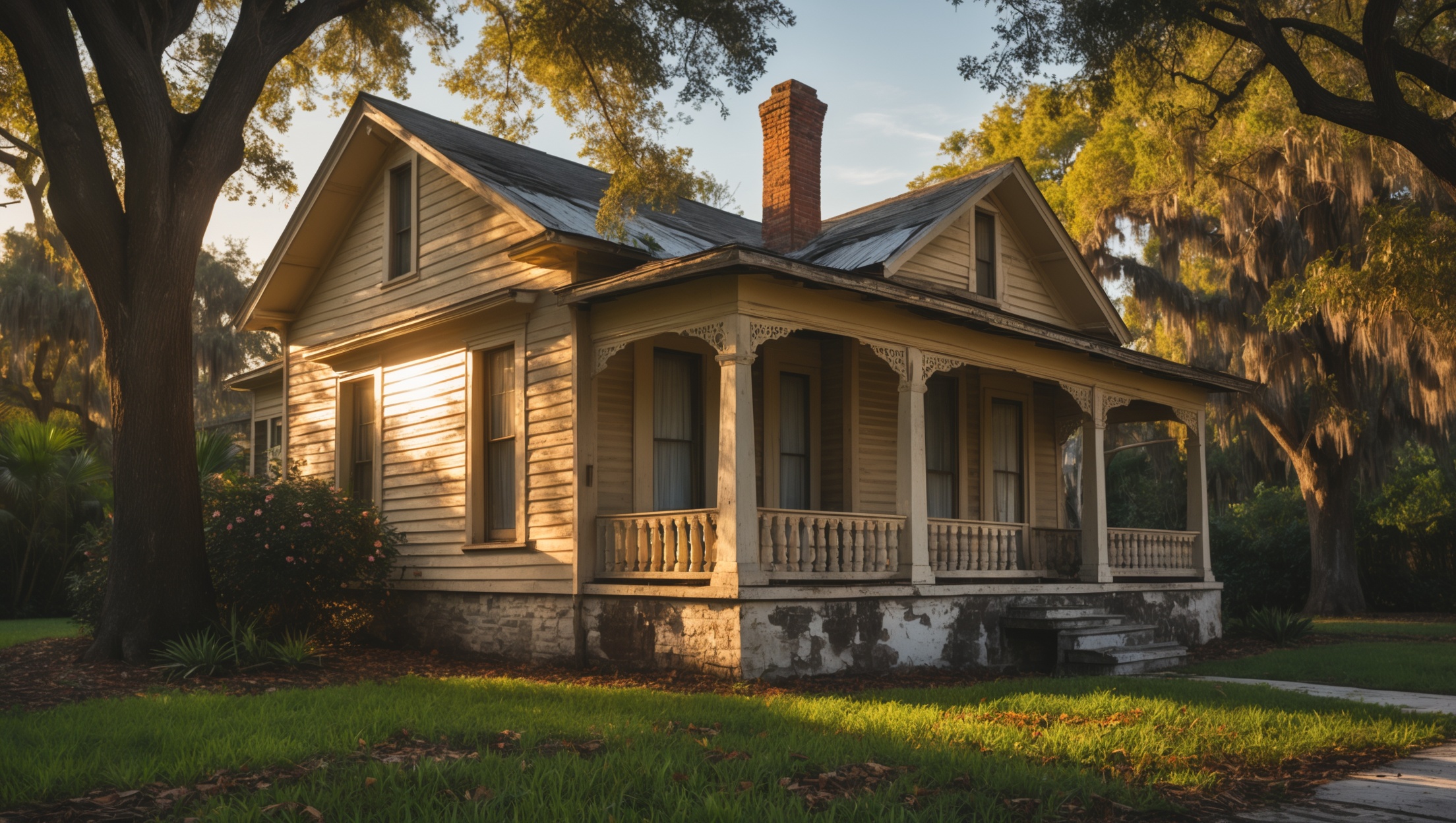
Introduction: Why Seasonal Safety Matters in Southeast Seminole Heights’ Older Homes
Living in one of Southeast Seminole Heights’ beautiful historic homes is a source of pride for many local residents. The unique architecture, mature trees, and close-knit neighborhoods create a distinctive charm that’s hard to find elsewhere in Tampa. But with that vintage character comes the responsibility of proactive home maintenance, especially when it comes to safety. Many older homes in Southeast Seminole Heights were built decades ago, often before modern building codes were established. As a result, they may harbor hidden hazards that can compromise your family’s safety if left unaddressed.
From outdated electrical systems to aging structural components and region-specific weather challenges like humidity, storms, and temperature swings, staying vigilant throughout the year is essential. A regular seasonal safety checklist can help you catch issues early, prevent costly repairs, and ensure your home remains a safe haven. This comprehensive guide dives deep into the most common—and often overlooked—hazards in older Southeast Seminole Heights homes. We’ll provide a detailed, practical checklist for each season, along with expert advice tailored to our local climate and housing stock. Whether you’re a longtime resident or new to the neighborhood, use this resource to protect your investment and give yourself peace of mind all year long.
Understanding the Unique Safety Risks of Older Southeast Seminole Heights Homes
Historic Construction Materials and Methods
Many homes in Southeast Seminole Heights were constructed with materials and techniques no longer used today. This can include:
- Nob and tube wiring: Prone to overheating and not designed for modern electrical loads.
- Lead-based paint: Common in homes built before 1978 and dangerous if disturbed.
- Galvanized plumbing: Susceptible to rust and leaks.
- Old masonry or wood framing: Vulnerable to termites, moisture damage, and settling.
Climate-Specific Concerns
Southeast Seminole Heights’ subtropical environment presents its own set of hazards:
- High humidity: Increases the risk of mold, mildew, and wood rot.
- Frequent storms: Can expose weaknesses in roofing, windows, and drainage systems.
- Heat and sun exposure: Accelerates wear on exterior finishes and roofing.
Common Overlooked Hazards
- Poorly maintained chimneys or flues
- Non-grounded electrical outlets
- Improperly vented appliances
- Loose or deteriorated porch railings and steps
- Hidden water leaks behind walls or under floors
Spring Checklist: Preparing for Humidity and Growth
Inspect for Moisture Intrusion
Spring’s rain and rising humidity can exacerbate existing moisture issues. Inspect the following:
- Attic and crawlspace: Look for signs of water stains, musty odors, and visible mold. Ensure vents are unblocked and insulation is dry.
- Windows and doors: Check for cracked caulking or missing weatherstripping. Replace or repair as needed.
- Exterior walls: Examine siding, brickwork, and paint for peeling, cracks, or soft spots indicating hidden moisture.
Gutter and Downspout Maintenance
Clear gutters and downspouts of leaves and debris. Make sure water flows away from the foundation to prevent erosion and basement leaks—critical for older homes without modern drainage systems.
Termite and Pest Inspection
Schedule a professional termite inspection. Look for mud tubes, wood dust, or hollow-sounding beams, especially in crawlspaces and porches.
Landscape Safety
- Trim tree branches that overhang the roof or power lines.
- Check for standing water in the yard, which can attract mosquitoes and contribute to foundation issues.
Summer Checklist: Heat, Storms, and Electrical Load
HVAC System Safety
Have your air conditioning system professionally serviced. Clean or replace filters monthly during high-use periods. Inspect ductwork for leaks, which can reduce efficiency and increase humidity inside.
Electrical System Check
- Test GFCI outlets in kitchens, bathrooms, and exterior locations.
- Check the main panel for signs of overheating, corrosion, or loose connections.
- Limit use of extension cords and ensure all outlets are properly grounded. Consider upgrading ungrounded circuits.
Storm Preparedness
- Inspect the roof for missing or damaged shingles (hire a professional if unsafe).
- Secure loose outdoor furniture and check window locks.
- Verify that sump pumps (if present) work properly.
- Store flashlights, batteries, and a weather radio in an accessible location.
Attic and Insulation Ventilation
Check attic vents for blockages to prevent heat buildup. Poor ventilation can damage shingles and increase indoor temps, straining older wiring.
Fall Checklist: Prepping for Cool Weather and Storm Aftermath
Fire Safety Review
- Test and replace batteries in smoke and carbon monoxide detectors.
- Inspect fireplaces and chimneys for creosote buildup, cracks, or animal nests. Schedule professional cleaning as needed.
- Check space heaters for frayed cords and keep them at least three feet from combustibles.
Structural Inspection
Examine porches, decks, and stairs for loose boards, railings, or signs of rot. Repair promptly to prevent falls, especially as rain and leaves make surfaces slippery.
Sealing and Insulation
- Re-caulk exterior joints and gaps.
- Inspect attic and crawlspace insulation for moisture or pest damage.
- Install weatherstripping on doors and windows to reduce drafts and keep heating costs down.
Tree and Yard Assessment
Remove dead branches and clear gutters of fallen leaves. Assess trees for signs of disease or unstable roots, which could cause damage during storms.
Winter Checklist: Cold Snaps and Indoor Hazards
Plumbing Protection
- Insulate exposed pipes in crawlspaces, attics, and exterior walls to minimize freeze risk. While freezes are rare in Southeast Seminole Heights, historic homes are often less insulated.
- Know where your main water shutoff valve is located.
- Check for slow leaks under sinks and around toilets, which can worsen in cooler weather.
Heating System Safety
- Service furnaces or boilers annually.
- Never use ovens or grills to heat your home.
- Test carbon monoxide detectors again and keep one near sleeping areas.
Indoor Air Quality
- Use exhaust fans or crack windows while cooking or bathing to reduce humidity and prevent mold.
- Clean or replace HVAC filters regularly.
Slip and Trip Prevention
Check indoor and outdoor lighting. Replace burned-out bulbs, particularly around entrances and walkways. Repair uneven thresholds, loose rugs, and worn stair treads.
Year-Round Safety Best Practices for Historic Homes
Routine Professional Inspections
Budget for annual inspections by licensed electricians, plumbers, and pest control professionals familiar with older homes. Their expertise can help identify subtle issues before they become major hazards.
Documentation and Emergency Planning
- Keep a home maintenance log with dates and details of repairs, upgrades, and inspections.
- Develop and practice an emergency evacuation plan with your household, considering unique features like narrow staircases or upstairs bedrooms.
- Store important documents (insurance, titles, emergency contacts) in a fireproof, waterproof container.
Know Your Limits
While DIY maintenance is rewarding, some issues—especially with old wiring, structural changes, or hazardous materials—require professional intervention. Don’t hesitate to call in local experts.
Frequently Missed Hazards in Southeast Seminole Heights
- Non-functional window locks or sash cords: Older windows may not stay open or lock securely, posing security and safety risks.
- Blocked dryer vents: Lint buildup can cause fires. Clean vents at least annually.
- Improperly stored chemicals: Many garages or sheds in historic homes lack ventilation. Store paints, solvents, and yard chemicals safely.
- Detached smoke alarms: Confirm alarms are attached to the ceiling and not just set aside after battery replacement.
Resources for Southeast Seminole Heights Homeowners
- City of Tampa Historic Preservation: Guidelines and resources for maintaining historic properties.
- Florida Department of Agriculture Pest Control: Find local termite and pest inspectors.
- Tampa Electric Safety Tips: Electrical safety information tailored to Tampa homes.
- Red Cross Home Fire Safety: Emergency planning advice.
Conclusion: Proactive Care Saves Lives—and Preserves History
Maintaining an older home in Southeast Seminole Heights is about more than preserving its unique appearance. It’s about safeguarding your family and your investment against hazards that can develop slowly and silently over time. By following a seasonal safety checklist tailored to our climate and historic housing, you give yourself the best chance of catching minor problems before they escalate into emergencies. From inspecting for moisture and pest damage in spring to ensuring heating and electrical safety in winter, a little vigilance each season pays dividends in comfort, value, and peace of mind.
Don’t underestimate the importance of regular professional inspections, thorough documentation, and a clear emergency plan. Remember, many hidden hazards in historic homes aren’t obvious to the untrained eye. When in doubt, consult with a local expert who understands the quirks and strengths of Southeast Seminole Heights’ architectural heritage. Proactive care isn’t just about safety—it’s also about honoring the legacy of these beloved homes so they can be enjoyed for generations to come. Take charge this year: print out this checklist, schedule reminders, and make safety a habit. Your home—and everyone in it—will thank you.
Could you offer some advice on prioritizing which seasonal safety tasks to tackle first for someone who just moved into a historic home and is on a tight budget?
For a historic home on a budget, start by checking for urgent safety issues like electrical hazards, smoke detectors, and potential gas leaks. Next, address roof or window leaks to prevent water damage. After these essentials, you can focus on routine maintenance, like clearing gutters and inspecting for pests, as your budget allows.
What signs should I look for if I suspect my Southeast Seminole Heights home still has knob and tube wiring? Are there typical problem areas to check first in an older house?
If you suspect knob and tube wiring, look for old-fashioned, cloth-covered wires running through ceramic knobs or tubes, often found in basements, attics, or behind walls. Typical problem spots in older Southeast Seminole Heights homes are unfinished basements, attic rafters, and seldom-used outlets or light fixtures. If you spot these, consider having a licensed electrician inspect your home.
Do you have any advice on how to safely update old knob and tube wiring in these historic homes without compromising their original character?
Updating knob and tube wiring can be done discreetly by running new wiring through walls, attic spaces, or crawl spaces, preserving visible historic features. Consult a licensed electrician experienced with older homes, and consider keeping some original fixtures for aesthetics while ensuring the system meets current safety codes.
With so many older homes in the area, is there a recommended budget range for updating galvanized plumbing, or does it vary a lot by house?
The cost to update galvanized plumbing can vary quite a bit depending on the size and layout of the house, but a typical range is $4,000 to $10,000 for a full replacement. Smaller homes or partial updates may cost less, while larger or more complex homes might be higher. Getting multiple quotes from licensed plumbers will give you the most accurate estimate for your specific situation.