
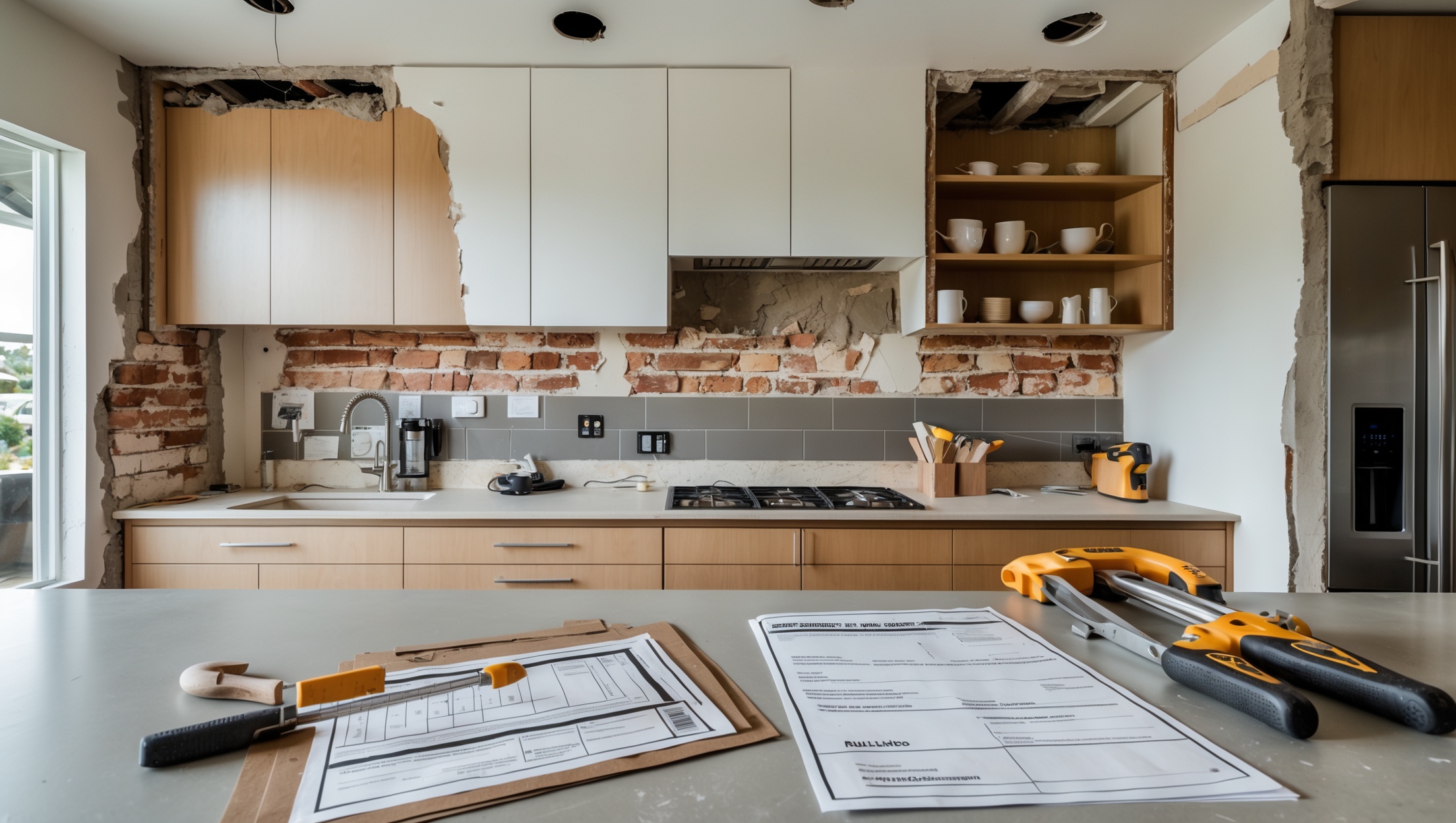
Introduction: Why Permits Matter for Kitchen Remodels in Southeast Seminole Heights
Remodeling your kitchen in Southeast Seminole Heights is one of the best ways to increase the value, function, and enjoyment of your home. But before you start swinging a sledgehammer or ordering custom cabinets, it’s critical to understand the local permit process. Failing to secure the right permits can lead to costly fines, stop-work orders, and headaches when it comes time to sell your home. In Southeast Seminole Heights, where a mix of historic and newer homes, specific local ordinances, and unique neighborhood quirks can complicate renovations, knowing the step-by-step permit process is essential. This guide breaks down exactly what you need, how much it costs, what to expect from the city, and local expert tips to ensure your kitchen remodel is smooth, legal, and stress-free.
Understanding Permit Requirements: What Needs a Permit and What Doesn’t
Common Kitchen Remodel Projects That Require Permits
- Structural Changes: Removing or moving walls, altering doorways, or modifying load-bearing elements.
- Electrical Work: Adding or relocating outlets, switches, or lighting; upgrading service panels.
- Plumbing Changes: Moving sinks, dishwashers, or pipes; installing new plumbing lines.
- HVAC Modifications: Adding or changing ventilation, ductwork, or gas lines.
- Window and Door Alterations: Enlarging or reducing openings, or installing new exterior doors/windows.
Projects That Typically Don’t Require Permits
- Cabinet and countertop replacement (no wall/plumbing/electrical work)
- Painting, wallpapering, and minor cosmetic updates
- Replacing appliances with similar models (no electrical/gas/plumbing changes)
Always double-check with the City of Tampa’s Development Services or a local contractor, as even “simple” projects can require permits if they involve electrical or plumbing changes.
Step-by-Step Permit Process for Kitchen Remodels
Step 1: Gather Your Project Details
Before you apply, have these essentials ready:
- Detailed floor plan (existing and proposed layouts)
- Scope of work (what will be demolished, what’s being added/changed)
- Contractor information (if hiring professionals)
- Product specs for major changes (appliances, fixtures, windows, etc.)
Step 2: Determine Which Permits You Need
Most kitchen remodels in Southeast Seminole Heights require at least:
- Building permit
- Electrical permit
- Plumbing permit
- Mechanical permit (if HVAC/gas is involved)
If your home is in a historic district, you may also need a Certificate of Appropriateness (COA) for exterior changes. Check with the Tampa Historic Preservation Office for guidance.
Step 3: Submit Your Application
You can apply online through the City of Tampa’s Accela Citizen Access portal or in person at the Development Services Center. Attach all required plans and documents. Be prepared to pay initial fees (see cost breakdown below).
Step 4: Plan Review and Corrections
City reviewers (building, electrical, plumbing, zoning, and sometimes historic preservation) will examine your plans. This typically takes 7–21 business days. If corrections are needed, you’ll receive comments via the portal—respond promptly to keep your project moving.
Step 5: Permit Issuance
Once approved, you’ll receive your permits. Print and post them on-site as required. Work can now begin legally.
Step 6: Inspections at Key Stages
- Rough-in inspection (after framing, plumbing, electrical, but before drywall)
- Final inspection (after all work is completed, but before using the new kitchen)
Schedule inspections via the Accela portal or by phone. Do not conceal work (like drywalling over wiring) before passing these inspections.
Cost Breakdown: What to Budget for Permits in Southeast Seminole Heights
Permit costs are based on project valuation and specific work involved. As of 2024, expect:
- Building permit: $150–$350
- Electrical permit: $60–$120
- Plumbing permit: $60–$120
- Mechanical permit (if needed): $60–$120
- Plan review fees: $50–$150
- Historic district COA: $0–$80 (if applicable)
Total estimated permit fees: $330–$800+ for a typical kitchen remodel. Large or complex projects (structural changes, major expansions) may cost more.
Pro tip: Budget for permit fees upfront so you’re not caught off guard. Some contractors include permit costs in their bids—clarify this before signing.
Timeline: How Long the Permit Process Takes
- Pre-application: 1–2 weeks to prepare plans and gather documents
- Review: 7–21 business days for standard kitchen remodels; longer if corrections or historic review is needed
- Inspections: Typically scheduled within 1–3 business days of request
Total time from application to approval: 3–6 weeks for straightforward projects. Allow extra time for historic homes, major structural changes, or busy permit seasons (spring/summer).
Expert Tips to Avoid Delays and Costly Mistakes
- Double-check for historic status: Southeast Seminole Heights includes both historic and non-historic areas. If you’re unsure, verify with the city before designing or demoing.
- Hire a local contractor familiar with Tampa codes: They’ll know common pitfalls, required documents, and typical inspection questions. This can shave weeks off your timeline.
- Don’t start work before permits are issued: Unpermitted work can trigger fines, insurance problems, and trouble when selling your home.
- Keep your site tidy and plans on hand: Inspectors appreciate organized, accessible sites. Have all plans and permits available during inspections.
- Be proactive with corrections: If plan reviewers request changes, respond quickly and thoroughly.
- Document everything: Take before/after photos and keep receipts. These can help with inspections and future insurance or resale needs.
Common Permit Myths in Southeast Seminole Heights—Debunked
- “My contractor will handle all the permits.” Many do, but not all. Always confirm who is responsible—and ensure permits are in your name or the contractor’s, not a third party.
- “I don’t need a permit for minor electrical or plumbing tweaks.” In Tampa, even adding an outlet or moving a sink often requires a permit.
- “Permits are just a money grab.” While fees can be frustrating, permits protect you from shoddy work, ensure safety, and make resale far easier.
- “I can get a permit after the work is done.” Post-facto permits (a “permit after the fact”) are possible but expensive and stressful—and may require opening walls.
Historic Homes: Special Considerations for Permits
Southeast Seminole Heights is famous for its bungalows and pre-war homes. If your house is a designated historic property or located in a local historic district, extra steps and scrutiny apply:
- Submit plans to the Historic Preservation Office for review
- Use materials and designs in keeping with the home’s original character
- Expect longer review times for any exterior changes
- Get written approvals before altering visible facades, windows, or doors
Tip: Consult with a contractor or architect experienced in historic renovations to avoid common pitfalls.
DIY vs. Hiring a Contractor: Permit Implications
DIY Kitchen Remodels
Homeowners may apply for permits and perform certain work themselves, but:
- DIY work must meet the same standards as professional work
- Some tasks (like gas line installation) must be performed by a licensed pro
- You are responsible for scheduling and passing all inspections
Contractor-Led Remodels
If hiring a licensed contractor:
- They typically obtain all required permits
- They coordinate inspections and address corrections
- Ensure your contractor’s license is active and permits are pulled under their name (verify with the City of Tampa)
Tip: Avoid “handyman” services for electrical/gas/plumbing work—they may not be licensed for permit work, putting you at risk.
What Happens If You Skip Permits?
Skipping permits may seem tempting, but it carries serious risks:
- Stop-work orders: City inspectors can halt your project until permits are obtained.
- Fines: Unpermitted work can result in fees ranging from hundreds to thousands of dollars.
- Insurance issues: Claims may be denied for damage related to unpermitted work.
- Resale headaches: Unpermitted renovations can derail home sales, requiring costly “after-the-fact” permits or even demolition.
Frequently Asked Questions About Kitchen Remodel Permits
- Do I need a permit to replace kitchen cabinets? No, unless you move plumbing or electrical.
- What if I discover old, unpermitted work? Disclose it to your contractor and consider obtaining a “permit after the fact” to legalize the work.
- How do I find out if my home is historic? Contact the Tampa Historic Preservation Office or check the city’s online maps.
- Can I live in my home during the remodel? Usually, yes, but expect dust, noise, and possible utility interruptions.
Conclusion: Remodel Your Kitchen the Right Way—Permit Success in Southeast Seminole Heights
Remodeling your kitchen in Southeast Seminole Heights is an exciting opportunity to create a space that’s more beautiful, functional, and suited to your lifestyle. But the key to a successful project isn’t just picking the perfect tile or appliances—it’s making sure your remodel is fully permitted, inspected, and up to code. By following the steps outlined above, budgeting for the real costs, and anticipating the unique challenges of older or historic homes, you’ll protect your investment, avoid costly surprises, and ensure that your new kitchen is safe and legal. Remember, the permit process might seem like a hurdle, but it’s there to safeguard your family and your home. Work with experienced local professionals, keep open communication with city offices, and don’t be afraid to ask questions along the way. With careful planning and the right permits in hand, you’ll be enjoying your dream kitchen—and peace of mind—for years to come.
If I just want to move my dishwasher a few feet over but not change anything else, does that definitely require a permit in Southeast Seminole Heights, or are there exceptions for minor plumbing work?
In Southeast Seminole Heights, even moving a dishwasher a few feet usually requires a permit, since it involves changes to plumbing connections. There are generally no exceptions for this type of work. It’s best to contact the local building department to confirm, but plan on needing a permit for any plumbing relocation.
Do you have any tips for estimating the total cost of permits for a kitchen remodel here? I want to make sure I budget properly and don’t get surprised by hidden fees.
To estimate your permit costs accurately, start by contacting the local building department for their current fee schedule. Be sure to ask if there are separate charges for electrical, plumbing, or mechanical permits. Factor in plan review fees and possible inspection charges. Some cities also have impact fees or administrative costs, so clarify what’s included to avoid unexpected expenses.