
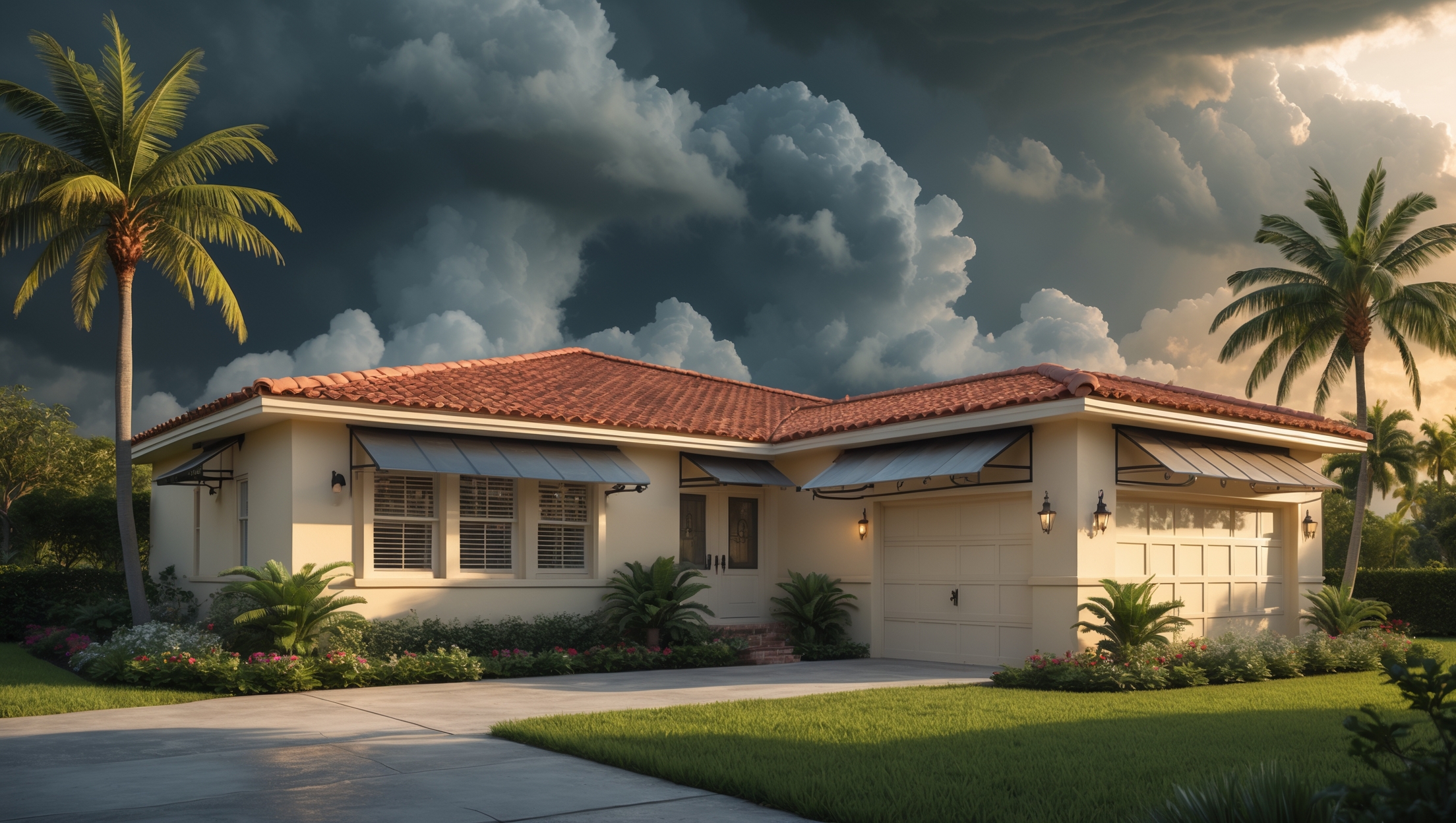
Introduction: Why Storm-Ready Renovations Matter in Southeast Seminole Heights
Life in Southeast Seminole Heights, Tampa, means enjoying the charm of historic bungalows, oak-lined streets, and vibrant community life. Yet, every summer and fall, residents brace for the unpredictable force of Florida’s storm season. From tropical downpours to hurricane-force winds, our neighborhood faces unique vulnerabilities—and so do our homes. With climate patterns shifting and storms growing more intense, ensuring your home is storm-ready is more crucial than ever. But where should you start, and how can you make sure your upgrades are truly effective? This guide unpacks practical, locally-relevant renovation strategies that go beyond the basics, helping you protect your investment, your family, and your peace of mind. Whether you’re planning a full-scale remodel or small upgrades, you’ll discover actionable steps to fortify your home against Southeast Seminole Heights’ most common weather threats—without sacrificing style or violating local codes. Let’s get your home storm-ready, the smart way.
Understanding the Local Risks: Southeast Seminole Heights and Extreme Weather
Common Weather Hazards
Southeast Seminole Heights is no stranger to severe weather events. The most frequent risks include:
- Tropical storms and hurricanes: High winds, flying debris, and torrential rain.
- Flash flooding: Heavy rainfall can overwhelm drainage systems, especially in low-lying areas.
- Lightning and power surges: Frequent in summer storms, threatening home electrical systems.
How Local Architecture Affects Vulnerability
Many homes in Southeast Seminole Heights were built before modern building codes. These charming structures often feature wood siding, pier-and-beam foundations, and original windows—all of which can be susceptible to water intrusion and wind damage if not properly updated.
Exterior Upgrades for Storm Resilience
1. Impact-Resistant Windows and Doors
Standard windows and doors are weak points during storms. Upgrading to impact-resistant options helps prevent wind and debris from breaching your home, which is a leading cause of catastrophic structural failure.
- Material Tip: Choose laminated glass with heavy-duty frames rated for Miami-Dade or Florida Building Code standards.
- Local Sourcing: Tampa-based suppliers can provide custom sizing for historic homes.
- Permitting: The City of Tampa requires permits for window and door replacements; ensure your contractor files these before work begins.
2. Hurricane Shutters and Panels
If new windows aren’t in your budget, hurricane shutters offer robust protection. There are several types:
- Accordion and roll-down shutters: Permanently installed, quick to deploy.
- Colonial or Bahama shutters: Add curb appeal and shade year-round.
- Removable storm panels: Affordable and effective, but require storage space.
3. Roof Reinforcement
Your roof is your primary shield against storms. Consider these upgrades:
- Secondary water barriers: Self-adhering membranes beneath shingles provide extra leak protection.
- Roof-to-wall connections: Metal hurricane clips or straps anchor the roof structure to the walls, dramatically increasing wind resistance.
- Wind-rated shingles or metal roofing: Choose materials rated for at least 130 mph winds.
4. Siding and Exterior Walls
Replace damaged or deteriorated siding with fiber-cement, brick, or engineered wood rated for high winds and moisture resistance. Seal all joints and paint with water-repellent coatings to prevent ingress.
5. Garage Doors
Standard garage doors are often the first structural element to fail. Reinforce or replace yours with a door rated for hurricane-force winds, including a bracing kit for extra support.
6. Landscape and Drainage Modifications
Proper landscaping not only boosts curb appeal but also directs water away from your foundation. Key strategies include:
- Grading: Ensure soil slopes away from the house by at least 6 inches over 10 feet.
- French drains or swales: Channel runoff to the street or city storm drains.
- Native plantings: Use deep-rooted species to stabilize soil and absorb excess rainwater.
Interior Upgrades That Make a Difference
1. Flood-Resistant Flooring
Old hardwood or carpet is easily ruined by water. Replace with:
- Porcelain or ceramic tile: Waterproof and easy to clean.
- Luxury vinyl plank (LVP): Durable, stylish, and resilient to moisture.
- Concrete overlays: Great for pier-and-beam homes, can be stained for a modern look.
2. Raised Electrical and HVAC Systems
If your home is prone to flooding, elevate electrical outlets, switches, and HVAC units above known flood levels. Use moisture-resistant wiring and sealed boxes wherever possible.
3. Sump Pumps and Backflow Valves
Install a sump pump in crawl spaces or basements to quickly remove water during floods. Backflow preventers on sewer lines can stop city sewage from backing up into your home during heavy rains.
4. Reinforced Interior Doors
Interior doors, especially those leading to safe rooms or storage areas, can be reinforced with solid-core materials and heavy-duty hardware.
Storm-Ready Maintenance Best Practices
Regular Inspections
Perform a thorough inspection every spring and fall, focusing on:
- Roof and gutter condition
- Window and door seals
- Siding and paint integrity
- Drainage around the foundation
Seasonal Checklist
- Trim trees: Remove limbs that could damage your roof or power lines.
- Clean gutters: Prevent water overflow and foundation erosion.
- Test sump pumps: Ensure reliable operation before heavy rains hit.
- Check and restock emergency supplies: Flashlights, batteries, bottled water, and tarps.
Compliance, Permits, and Local Regulations
Renovations for storm readiness aren’t just about materials and design—they must comply with Tampa’s building codes and permitting process. Here’s what to know:
- Permitting: Most structural upgrades (windows, roofs, doors) require city permits. Use licensed contractors who are familiar with local regulations.
- Historic homes: If your house is designated as historic, additional guidelines may apply. Always contact the Tampa Historic Preservation Office before altering exterior elements.
- Elevation requirements: Homes in flood-prone zones may be subject to minimum elevation requirements for certain improvements.
- Documentation: Keep all permits and inspection records. They’ll be invaluable for insurance claims and future resale.
Budgeting and Cost Breakdown
Storm-ready renovations can feel overwhelming, but a strategic approach helps you prioritize and budget effectively. Here’s a sample cost breakdown for an average bungalow in Southeast Seminole Heights (2024 estimates):
- Impact windows and doors: $8,000–$20,000 (installed)
- Hurricane shutters: $4,000–$8,000 (entire home)
- Roof reinforcement: $5,000–$17,000, depending on roof size and material
- Garage door reinforcement: $1,500–$3,500
- Drainage improvements: $2,000–$6,000
- Flood-resistant flooring: $8–$20 per square foot
- Sump pump installation: $1,200–$3,000
Tip: Start with the most critical vulnerabilities (roof, windows, drainage), then phase in additional upgrades as budget allows. Many improvements may qualify for state or local incentives—ask your contractor about available programs.
Case Study: A Southeast Seminole Heights Bungalow Transformation
Background: The Martinez family’s 1924 bungalow suffered water intrusion and shingle loss during a recent hurricane. Determined to avoid a repeat, they invested in a phased storm-ready renovation plan.
- Phase 1: Replaced original windows with Miami-Dade rated impact versions; installed hurricane straps in the attic.
- Phase 2: Upgraded the roof with a peel-and-stick underlayment, wind-rated shingles, and sealed all vent penetrations.
- Phase 3: Added French drains and regraded the yard to direct water away from the foundation; replaced front porch flooring with waterproof LVP.
Outcome: During the next major storm, the bungalow remained dry and suffered no structural damage. Insurance premiums dropped by 15% after upgrades were documented.
Pro Tips: Working with Local Contractors
- Choose contractors with specific experience in storm-hardening historic Tampa homes.
- Ask for references from other Southeast Seminole Heights residents.
- Get written, itemized estimates, and don’t be afraid to request proof of licensing and insurance.
- Verify that all work meets or exceeds Florida Building Code and, where relevant, historic preservation guidelines.
Conclusion: Peace of Mind in Every Season
Storm-ready renovations aren’t just a wise investment—they’re a commitment to the safety, comfort, and longevity of your Southeast Seminole Heights home. By strategically upgrading vulnerable features, adhering to local codes, and working with knowledgeable professionals, you’ll ensure your property is equipped to face whatever Florida’s weather brings. Remember, a resilient home doesn’t have to sacrifice historic charm or neighborhood character; with thoughtful planning, you can blend robust protections seamlessly into your home’s unique style. As climate challenges continue to evolve, proactive adaptation is key—not just for your own peace of mind, but for the resilience and spirit of our entire community. Start today with a home audit, prioritize your storm-ready improvements, and take pride in knowing your home stands strong against the elements. Your future self—and your neighbors—will thank you.
How can I make sure my upgrades to impact-resistant windows and doors don’t conflict with the historic look of my house or local building codes in Southeast Seminole Heights?
To maintain your home’s historic look while upgrading, choose impact-resistant windows and doors that mimic original styles and materials. Before starting, check with the local historic preservation board or city planning office to review guidelines and approval processes. This ensures your renovations comply with both historic standards and building codes in Southeast Seminole Heights.
Are there cost-effective upgrades for homeowners who aren’t ready for a full-scale remodel but still want to address flash flooding and electrical surge risks in this area?
Absolutely, there are budget-friendly ways to protect your home. For flash flooding, consider installing simple landscape grading, rain barrels, or adding water-resistant barriers to doors. For electrical surge protection, using whole-house surge protectors or plug-in surge strips can be very effective without major renovations.
For homeowners on a tight budget, which storm-ready renovation would you suggest tackling first to get the best protection before hurricane season?
If you’re on a tight budget, start by reinforcing your home’s windows and doors—installing storm shutters or using impact-resistant film offers significant protection at a reasonable cost. Sealing gaps and checking weatherstripping also helps prevent water intrusion during storms, making these practical first steps before hurricane season.
Our house still has its original wood siding and old windows. How can we protect against water intrusion and wind damage without losing the historic look?
To preserve your home’s historic charm while boosting protection, consider repairing and sealing wood siding, and applying a weather-resistant paint or sealant. For windows, use storm panels or interior storm windows, which add protection without replacing originals. Upgrading caulking and weatherstripping around windows and doors also helps keep water and wind out without altering the exterior appearance.
For those of us with older bungalows on pier-and-beam foundations, are there specific renovation tips to prevent water from pooling under the house during heavy rains or flash flooding?
For older bungalows on pier-and-beam foundations, consider grading the soil away from the house, installing French drains, and adding gutters with proper downspout extensions. Using vented skirting can also improve airflow and help dry out moisture under the house after heavy rains or flooding.
If we’re on a limited budget, which storm-resistant upgrade should Southeast Seminole Heights homeowners prioritize first to get the most protection for their investment?
If your budget is limited, the best upgrade to prioritize is reinforcing or replacing your roof with impact-resistant materials. The roof is most vulnerable during storms, and strengthening it gives your home immediate, substantial protection from wind and debris. If your roof is already in good shape, consider installing storm shutters or impact-rated windows next.
Can you clarify whether adding impact-resistant windows to older homes with pier-and-beam foundations requires any extra structural work, or can these upgrades be installed directly?
For older homes with pier-and-beam foundations, adding impact-resistant windows often does not require major extra structural work. However, it is important to have a professional check the window frames and surrounding structure to ensure they are solid enough for the new windows. Sometimes minor repairs or reinforcements may be needed, but a direct installation is possible if the frames are in good shape.
For homes in Southeast Seminole Heights with the older pier-and-beam foundations, are there specific renovation techniques you recommend to minimize flood risk beyond just raising the structure?
For older pier-and-beam homes, consider adding flood vents to improve water flow beneath the house, using water-resistant materials for skirting and lower walls, and sealing crawl space openings. Improving drainage around the property and installing sump pumps in crawl spaces can also help manage excess water during heavy storms.
How do these storm-ready renovations fit in with local historic preservation rules? I want to upgrade my home’s exterior for better storm protection, but I’m worried about violating codes or losing the bungalow’s historic charm.
Many storm-ready renovations can be designed to meet local historic preservation rules by using materials and styles that match your bungalow’s original look. It’s best to consult the local historic preservation board before starting work, as they can advise on approved options like impact-resistant windows that resemble historic ones or reinforced doors that maintain the home’s character.