
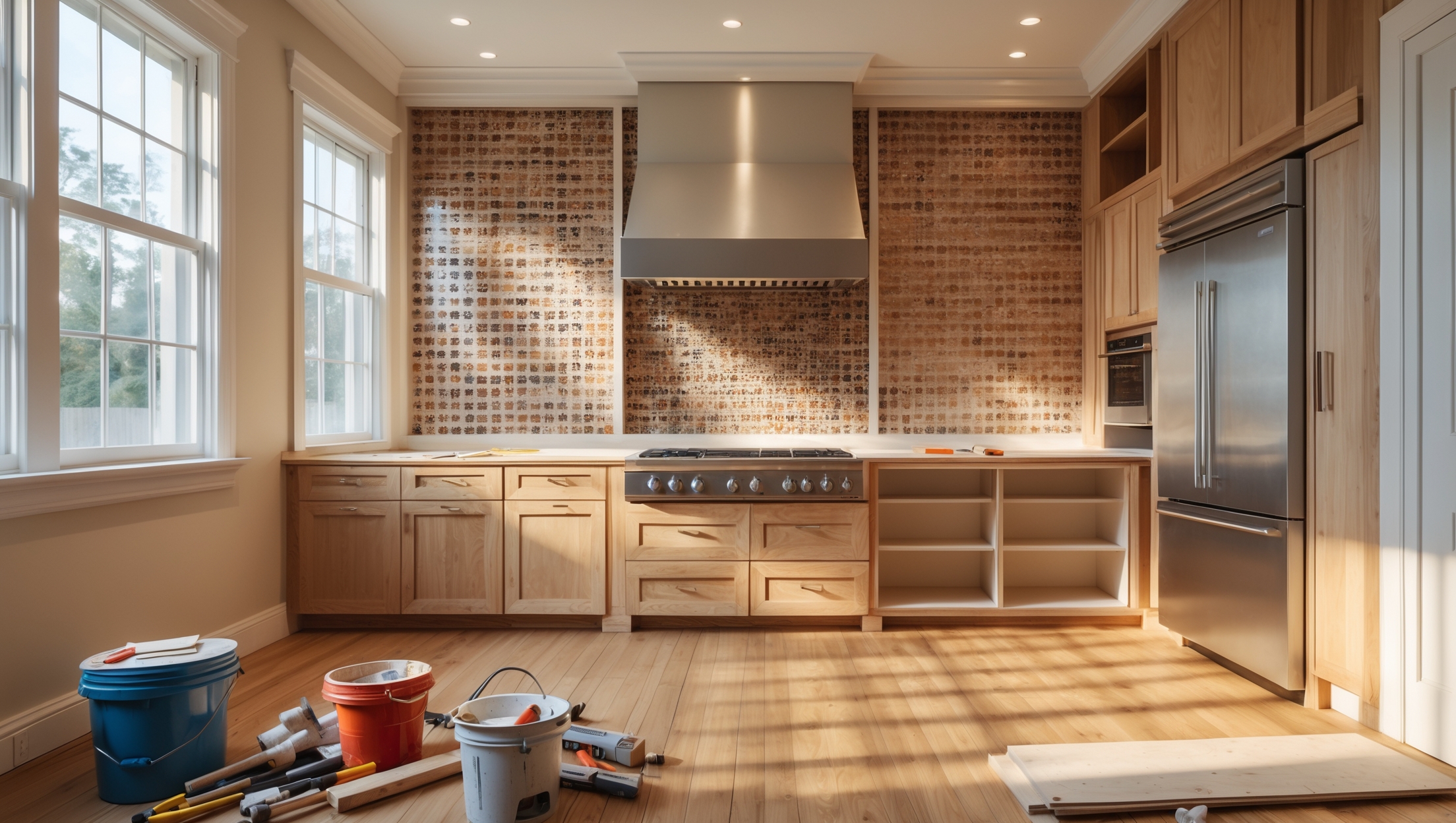
Introduction: Kitchen Remodeling Pitfalls in Southeast Seminole Heights
Kitchen remodels are among the most rewarding home upgrades you can undertake, especially in the vibrant, character-filled neighborhood of Southeast Seminole Heights. Whether you dream of a chef-worthy workspace, crave better functionality, or simply want to boost your home’s value, a kitchen renovation can deliver all that—and more. But with the promise of a beautiful new space comes a host of potential pitfalls that can derail your timeline, blow your budget, or leave you with a kitchen that doesn’t quite fit your home or your lifestyle.
In Southeast Seminole Heights, unique architectural styles, a humid subtropical climate, and local permitting regulations add extra layers of complexity. Many homeowners dive in with excitement, only to hit unexpected snags ranging from overlooked structural quirks, mismatched design choices, or underestimating the true costs of quality upgrades. As a local, you want a kitchen that honors your home’s history, stands up to Florida’s climate, and meets modern standards—without falling into common traps that can turn your dream project into a headache.
This comprehensive guide walks you through the most frequent kitchen remodeling mistakes made by Southeast Seminole Heights homeowners, then provides actionable, locally-relevant advice to help you plan, budget, and execute your project with confidence. From design missteps to budgeting blunders and compliance oversights, you’ll learn how to avoid costly errors and end up with a kitchen that’s as functional as it is beautiful.
Understanding the Southeast Seminole Heights Kitchen Landscape
Historic Homes and Local Character
Southeast Seminole Heights is renowned for its bungalows, Craftsman cottages, and mid-century gems. Many homes here feature original details—hardwood floors, built-ins, and quirky layouts—that can make kitchen renovations both challenging and rewarding. Retaining original character while upgrading for modern living is a delicate balance.
Climate and Lifestyle Considerations
The Tampa area’s humidity, seasonal storms, and intense sun all play roles in material selection, ventilation, and layout. Open-concept kitchens may need extra airflow; cabinetry and flooring must be moisture-resistant. Additionally, Southeast Seminole Heights’ active, community-oriented lifestyle often means kitchens serve as gathering hubs, so flow and social space are key.
Local Codes and Permit Nuances
While this guide doesn’t focus on permitting specifics, it’s important to remember that even cosmetic kitchen changes in older homes can trigger code compliance issues. Plumbing, electrical, and window changes may require inspections and upgrades to meet City of Tampa regulations.
Common Kitchen Remodeling Mistakes—and How to Avoid Them
1. Ignoring the Home’s Original Layout and Structure
One of the biggest pitfalls is forcing a cookie-cutter layout into a Southeast Seminole Heights bungalow. Many kitchens were built small, with odd angles and minimal storage. Attempting a drastic open-concept conversion without consulting a structural expert can lead to surprises—hidden plumbing, load-bearing walls, or mismatched floor heights.
- Tip: Before demolition, consult a local architect or experienced contractor familiar with the area’s housing stock. Assess structural limits and consider how small changes (bumping a wall, expanding a doorway) can improve flow without losing historic charm.
- Tip: Look for creative storage solutions—custom corner cabinets, pull-outs, or built-ins—that complement your home’s era.
2. Underestimating the True Cost—Especially for Older Homes
Older Southeast Seminole Heights homes often conceal outdated wiring, brittle plumbing, or subfloor damage. Budget overruns are common when homeowners focus only on visible finishes and overlook what’s beneath the surface.
- Tip: Build a contingency fund of 15-25% for unexpected repairs.
- Tip: Get a detailed inspection before finalizing your budget. Ask your contractor to itemize likely surprises based on local experience.
- Tip: Be wary of lowball bids, which can mean cutting corners on critical infrastructure.
3. Choosing Inappropriate Materials for Florida’s Climate
Not all beautiful materials are built for Tampa’s humidity and heat. Popular choices like solid wood cabinets or porous stone counters can warp, swell, or stain in Southeast Seminole Heights’ climate—especially in kitchens without strong ventilation.
- Tip: Opt for moisture-resistant plywood cabinets, quartz or sealed granite countertops, and luxury vinyl or porcelain floors.
- Tip: Avoid unsealed hardwoods or soft stones (like marble) in high-traffic areas.
- Tip: Invest in a high-quality range hood vented to the outside to mitigate moisture and heat.
4. Overlooking Workflow and Traffic Flow
Gorgeous kitchens can fall flat if they’re awkward to use. Southeast Seminole Heights homes often have compact layouts, so maximizing every inch is crucial. Mistakes include placing appliances too close together, skimping on counter space, or creating bottlenecks at entry points.
- Tip: Follow the classic kitchen work triangle: sink, stove, and refrigerator should be within easy reach, with clear paths between them.
- Tip: Allow for at least 36 inches of walkway space, even in smaller kitchens.
- Tip: Consider peninsula or island seating for socializing without blocking workflow.
5. Neglecting Lighting—Natural and Artificial
Many older kitchens in the neighborhood have a single overhead light and small windows. Poor lighting can make even a beautiful kitchen feel cramped and uninviting.
- Tip: Add layers: combine ambient (recessed or flush-mount), task (under-cabinet), and accent lighting (pendants over islands).
- Tip: Consider enlarging a window or adding a glass door for natural light—pending permit approval.
- Tip: Use warm LED bulbs for a cozy, inviting feel that mimics daylight.
6. Over-Customizing or Ignoring Local Style
Personalizing your kitchen is important, but extreme customization can clash with your home’s architecture—or hurt resale value. Conversely, copying glossy magazine trends without considering Southeast Seminole Heights’ historic flavor can create a jarring mismatch.
- Tip: Respect your home’s era. For Craftsman bungalows, opt for shaker-style cabinetry, subway tile, and period-appropriate fixtures.
- Tip: For mid-century homes, consider flat-front cabinets, terrazzo-style counters, or playful color pops.
- Tip: Browse local real estate listings or home tours for inspiration on blending modern updates with classic charm.
7. Skipping Professional Design or Consultation
DIY enthusiasm is great, but kitchen remodels involve complex systems—plumbing, electrical, HVAC, and load-bearing walls. Skimping on professional input can lead to costly re-dos or code violations.
- Tip: Even if you’re a hands-on renovator, hire a designer or contractor for at least a design consult or layout review.
- Tip: Look for professionals with experience in Southeast Seminole Heights or similar historic neighborhoods.
8. Forgoing Adequate Storage Solutions
Many early-20th-century kitchens were designed for a different era’s needs. Today’s lifestyles demand more storage for gadgets, pantry staples, and bulk goods. Homeowners often regret not adding enough cabinetry, pull-outs, or pantry space.
- Tip: Use vertical space with stacked cabinets or open shelving.
- Tip: Incorporate clever solutions like lazy Susans, deep drawers for pots, and pull-out spice racks.
- Tip: If space allows, repurpose a closet or nook as a walk-in pantry.
9. Not Planning for the Future
Kitchen remodels are major investments. Skipping features like accessibility, energy efficiency, or future resale appeal can limit your kitchen’s long-term value.
- Tip: Consider universal design elements: wider doorways, varied counter heights, and lever-handled faucets.
- Tip: Choose Energy Star appliances and LED lighting for lower utility bills.
- Tip: Think about how your needs might change—children, aging in place, or entertaining—so your kitchen adapts with you.
10. Failing to Set—and Stick to—a Realistic Timeline
Underestimating how long a remodel will take can lead to frustration and rushed decisions. Older homes are especially prone to delays when surprises are uncovered mid-project.
- Tip: Build extra time into your plan for inspections, material lead times, and weather delays (especially during the rainy summer months).
- Tip: Make key decisions—cabinetry, appliances, finishes—before work begins to avoid slowdowns.
- Tip: If possible, set up a temporary kitchen elsewhere in your home to reduce daily stress.
Budgeting Strategies for Southeast Seminole Heights Kitchens
Cost Breakdown: Where Your Money Goes
- Cabinetry (25–35%): Custom or semi-custom cabinets are often the biggest expense, especially in non-standard layouts.
- Labor (20–30%): Skilled tradespeople are essential for plumbing, electrical, and historic preservation.
- Appliances (10–20%): High-efficiency or built-in appliances can add value and save energy.
- Countertops (10–15%): Quartz and sealed granite are popular, resilient choices for Florida homes.
- Flooring, Backsplash, Fixtures (10–20%): Don’t skimp on durable, moisture-resistant materials.
- Miscellaneous/Contingency (10–15%): Always include a cushion for surprises—especially in older homes.
How to Save Without Sacrificing Quality
- Refinish Instead of Replace: Paint or reface sturdy original cabinets, or restore vintage hardware for a budget-friendly, authentic look.
- Mix High and Low: Splurge on statement pieces (a farmhouse sink, a custom island) and save on secondary items (stock tile, open shelving).
- Shop Local: Southeast Seminole Heights has access to Tampa’s wealth of salvage yards, building supply stores, and artisan tilemakers. Unique finds can infuse personality at a lower cost.
Local Insights: Trends and Timeless Features
Trending Now in Southeast Seminole Heights
- Bold Backsplashes: Handcrafted tiles, often from local makers, add color and interest behind ranges and sinks.
- Open Shelving: Especially in smaller kitchens, open shelves keep spaces feeling airy and showcase vintage dishware.
- Mixed Materials: Combining wood, stone, and metal nods to the neighborhood’s eclectic architecture.
- Indoor-Outdoor Flow: Glass doors, passthrough windows, and covered porches extend kitchen living into the backyard, perfect for Florida entertaining.
Timeless Choices That Work
- Shaker-Style Cabinets: Simple, elegant, and period-appropriate for many local homes.
- White or Neutral Palettes: Reflect light and allow period details to shine.
- Classic Hardware and Fixtures: Oil-rubbed bronze, brushed nickel, and vintage-inspired lighting never go out of style.
Step-by-Step: Setting Up for a Successful Remodel
1. Define Your Goals and Needs
Start with a clear vision. Are you aiming for better flow, more storage, or a style refresh? List must-haves and nice-to-haves.
2. Measure and Assess Existing Conditions
Take detailed measurements, noting window and door locations, ceiling height, and quirks like uneven floors or walls. Photograph everything for reference.
3. Consult Local Experts
Schedule walkthroughs with a designer and contractor experienced in Southeast Seminole Heights. Get input on preserving character, improving efficiency, and meeting code.
4. Set a Realistic Budget and Timeline
Use the cost breakdown above as a guide. Include a contingency fund and build in extra time for surprises.
5. Design and Refine
Work with your designer to create a plan that honors your home’s style and maximizes function. Review all material and fixture selections before ordering.
6. Secure Permits and Order Materials
Apply for required permits and schedule inspections as needed. Order long-lead items early to avoid delays.
7. Demolition and Prep
Protect areas outside the kitchen with drop cloths and barriers. Salvage or donate reusable fixtures and finishes.
8. Construction and Installation
Follow the agreed schedule, staying flexible if surprises arise. Communicate regularly with your contractor.
9. Final Touches and Inspections
Install hardware, lighting, and appliances. Schedule final inspections and address any punch-list items.
10. Move In and Enjoy!
Deep clean, stock your new kitchen, and celebrate with a meal shared with friends, family, or neighbors.
Conclusion: Turning Your Southeast Seminole Heights Kitchen Into a Local Gem
Remodeling a kitchen in Southeast Seminole Heights isn’t just a home improvement project—it’s a chance to honor local history, boost your property’s value, and create a space that truly reflects your lifestyle. By learning from common missteps—like underestimating costs, ignoring climate realities, or overlooking the unique quirks of historic homes—you set yourself up for a smoother, more rewarding renovation journey.
Remember, successful kitchen remodels in this neighborhood aren’t about following the latest trends blindly. They’re about blending the best of modern function with thoughtful nods to your home’s origins, working with experienced local professionals, and making smart choices that stand up to Florida’s climate and your family’s evolving needs. Plan carefully, budget honestly, and don’t be afraid to invest in quality where it counts. With the right strategy, your new kitchen can become the heart of your home and a standout feature in the Southeast Seminole Heights community for years to come.
Whether you’re restoring a Craftsman classic or updating a mid-century cottage, take pride in your project. Engage with local resources, tap into the neighborhood’s creative spirit, and enjoy the process of transforming your kitchen into a space that’s as durable, beautiful, and welcoming as Southeast Seminole Heights itself.
Given the humid subtropical climate, are there certain countertop or cabinet materials you recommend that hold up better over time, especially for those on a tighter budget?
In a humid subtropical climate like Southeast Seminole Heights, laminate countertops and thermofoil cabinets are both budget-friendly and resist moisture well. For even greater durability, consider mid-range quartz countertops and plywood cabinets, which are less likely to warp or swell over time compared to particle board or solid wood.
Could you elaborate on how the humid subtropical climate specifically affects material choices for kitchen remodels in Southeast Seminole Heights? Are there any particular countertops or cabinet finishes you recommend to minimize long-term damage from moisture?
The humid subtropical climate in Southeast Seminole Heights means moisture resistance is crucial for kitchen materials. For countertops, quartz and solid surface options resist warping and mold better than wood or laminate. For cabinets, choose finishes like thermofoil or high-quality paint over sealed hardwoods—these are less prone to swelling or peeling in humidity. Always ensure proper ventilation to further protect your materials.
We have an older Craftsman bungalow and I’m concerned about retaining the original woodwork during the remodel. Do you have advice for protecting or restoring these features while upgrading the kitchen to modern standards?
Preserving your Craftsman bungalow’s original woodwork is a great choice. Before remodeling, carefully remove and label trim, doors, and panels. Store them safely to avoid damage. If restoration is needed, use gentle cleaners or refinish with stains that match the original. When re-installing, coordinate cabinetry and finishes to complement the woodwork, ensuring your modern upgrades respect the home’s historic character.
When budgeting for kitchen renovations here, are there certain upgrades that usually end up costing more because of the mid-century or historic layouts? How should I prepare for those extra costs?
Yes, mid-century or historic kitchen layouts in Southeast Seminole Heights often mean higher costs for moving plumbing, electrical updates, or custom cabinetry to fit unique spaces. To prepare, set aside a contingency of 15–20% above your initial budget, and consult contractors who have experience with older homes to get accurate estimates for potential surprises.
We have an older Craftsman bungalow with some original woodwork. How do you recommend balancing keeping those historic features with the need for modern kitchen appliances and layouts?
Balancing historic charm with modern needs works well if you highlight original woodwork—like trim or built-ins—while updating cabinetry and appliances in complementary finishes. Consider integrating appliances behind panels or choosing classic hardware that respects the Craftsman style. Open shelving can also showcase original details and keep the kitchen feeling true to its roots.
How much extra should I budget for unexpected issues in these older homes, like structural quirks or dealing with built-ins, compared to renovating a newer kitchen?
For older homes in Southeast Seminole Heights, it’s wise to set aside an extra 15-20% of your total kitchen remodel budget for unexpected issues. Structural quirks and built-ins often lead to surprises, unlike newer kitchens, which typically require a smaller contingency of about 10%.