
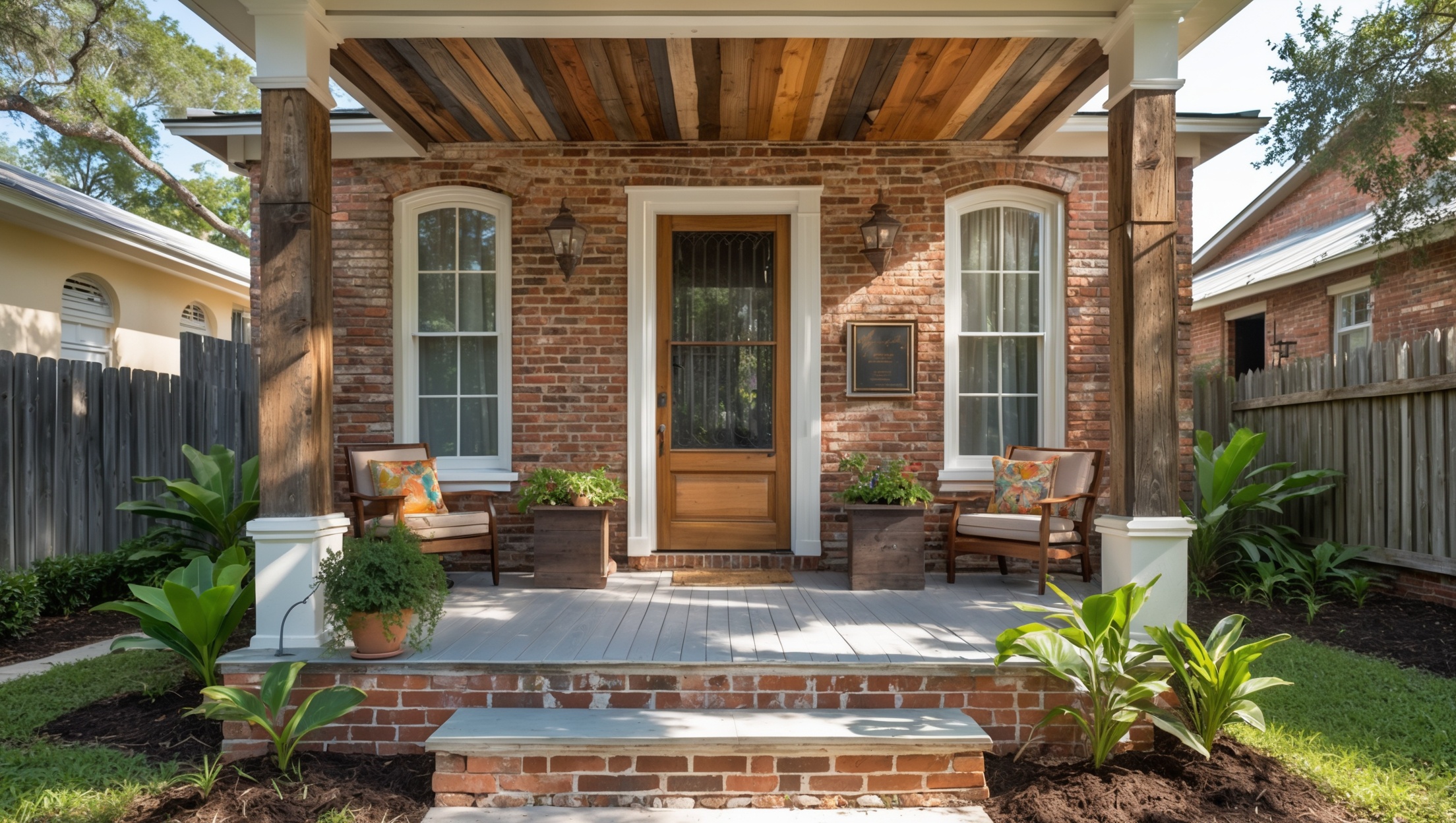
Introduction: Why Repurposing Historic Materials Matters in Southeast Seminole Heights
Renovating a home in Southeast Seminole Heights is more than just a chance to improve comfort—it’s an opportunity to celebrate the area’s unique architectural heritage. Many local homes date back to the early and mid-20th century, built with materials and craftsmanship hard to find today. When updating or expanding a property here, homeowners often face a dilemma: how to modernize for today’s needs without erasing the character that makes their home special. Repurposing historic materials—like original heart pine flooring, antique brick, or vintage doors—is a cost-effective, eco-friendly, and design-savvy solution. Not only does this approach preserve the distinctive charm of Southeast Seminole Heights, but it can also help you stay within budget and potentially increase property value by keeping authentic period details intact. This guide explores practical strategies and local tips for sourcing, reclaiming, and reusing historic materials, as well as navigating compliance and budgeting for these unique renovation projects.
Understanding the Value of Historic Materials
Why Original Materials Stand Out
The wood, brick, glass, and metalwork found in Southeast Seminole Heights’ older homes were often locally sourced and crafted with techniques rarely used today. Heart pine, for example, is prized for its density and golden hues, while old-growth cypress resists rot and termites. Salvaged brick can display unique coloration and patina that new materials simply can’t replicate. These elements offer:
- Durability: Old-growth materials typically outlast modern equivalents due to their density and quality.
- Authenticity: Maintaining period details preserves the home’s original style and neighborhood continuity.
- Sustainability: Reusing materials reduces landfill waste and the carbon footprint of manufacturing new products.
- Cost Savings: Salvaged materials can be less expensive than new, high-quality reproductions—especially if you reclaim from your own home or local sources.
Where to Source Historic Materials Locally
Reclaiming from Your Own Property
Before discarding any original elements during demolition or remodeling, take inventory of what can be saved. Commonly reclaimed items include:
- Floorboards and trim (heart pine, cypress, oak)
- Door and window hardware
- Original doors and window sashes
- Decorative moldings and mantels
- Exposed brick or chimney components
Carefully removing and setting aside these materials can provide a ready supply for reuse elsewhere in your renovation.
Local Salvage Yards and Architectural Reuse Centers
Southeast Seminole Heights and the greater Tampa area are home to several salvage yards and architectural reuse centers. These businesses collect materials from demolition projects, renovations, and historic tear-downs. Look for:
- Wood flooring and beams: Often available in various lengths and patinas.
- Antique doors and windows: Perfect for matching the proportions and styles found in local bungalows and craftsman homes.
- Vintage hardware and lighting: Authentic fixtures add instant character.
- Old brick and tile: Useful for repairs, patios, or accent walls.
Tip: Call ahead to check inventory or request specific items, as stock changes frequently.
Online Marketplaces & Local Networks
Platforms like Craigslist, Facebook Marketplace, and neighborhood apps (e.g., Nextdoor) often feature listings for reclaimed materials. Search terms like “historic,” “reclaimed,” or “vintage building materials” yield the best results. Additionally, local historic preservation groups, neighborhood associations, or even word of mouth can connect you to residents with surplus materials from their own projects.
Budgeting for Repurposed Material Projects
Cost Breakdown: What to Expect
The price of reclaimed materials varies based on rarity, condition, and demand. Here’s a rough breakdown for common materials in Southeast Seminole Heights:
- Reclaimed Heart Pine Flooring: $5–$15 per square foot (compared to $12–$20 for new, high-grade wood)
- Antique Doors: $50–$300 each
- Salvaged Brick: $0.50–$2 per brick
- Vintage Hardware: $10–$50 per piece
Labor can be higher if materials need restoration or resizing, but overall, using repurposed goods can reduce project costs, especially if you supply them yourself.
How to Maximize Savings
- Plan ahead: Identify needed materials early to allow time for sourcing.
- Mix and match: Combine reclaimed and new materials for cost control and design flexibility.
- DIY restoration: With basic tools and tutorials, many homeowners can refinish wood, clean brick, or repaint hardware themselves.
- Buy in bulk: Salvage yards may offer discounts for larger purchases.
Practical Strategies for Reusing Historic Materials
Flooring and Trim
Salvaged flooring can be relaid in high-traffic areas or used to patch worn spots. Make sure to:
- Sort boards by length and width for a uniform look.
- Sand and refinish for a seamless appearance.
- Use matching historic trim to frame doors and windows—preserving original profiles.
Doors and Windows
Vintage doors add instant charm. If sizes don’t match modern frames, a skilled carpenter can resize or rehang them. For windows, consider:
- Repairing sashes and adding weatherstripping to improve efficiency.
- Replacing only damaged panes rather than entire frames.
Brick and Masonry
Use reclaimed bricks for garden paths, patio borders, or accent walls. Clean bricks with a mild solution and avoid harsh chemicals that can damage patina.
Decorative Elements
Repurpose old mantels, columns, or even wrought iron railings as statement pieces in new spaces. Vintage hardware—knobs, hinges, or pulls—can be cleaned and reused on new cabinetry for an authentic touch.
Compliance and Permit Considerations
Historic District Guidelines
Much of Southeast Seminole Heights falls within historic overlay districts, which have specific rules regarding exterior changes and materials. Before starting any project that alters the appearance of your home, check with the City of Tampa’s Historic Preservation Office. Generally:
- Reusing original materials is strongly encouraged and may streamline approval.
- Visible exterior changes often require a Certificate of Appropriateness.
- Hidden (interior) projects are usually less restricted, but confirm if your home is individually designated.
Building Codes
All materials, new or old, must still meet current safety and performance codes. When reusing items like windows or electrical fixtures, ensure they are up to code or can be upgraded (e.g., double-paned glass, GFCI outlets). Consult a licensed contractor for guidance if unsure.
Maintenance Best Practices for Reclaimed Materials
Wood Care
Historic woods like heart pine and cypress are resilient but benefit from regular cleaning and occasional refinishing. Use gentle, non-abrasive products, and keep humidity levels stable to prevent warping.
Brick and Masonry
Inspect repointed brick annually for signs of deterioration. Use lime-based mortar for repairs to match original construction and avoid damaging softer historic brick.
Hardware and Fixtures
Clean old hardware with mild soap and water. Lubricate moving parts with light oil to prevent rust. Avoid harsh chemicals that can strip original finishes.
Case Studies: Local Success Stories
Restoring a 1920s Bungalow Porch
A Southeast Seminole Heights homeowner carefully dismantled a failing porch and salvaged over 70% of the original tongue-and-groove decking. Reusing this material, combined with matching pieces sourced at a local salvage yard, resulted in a restored porch that seamlessly blends old and new—at less than half the cost of entirely new lumber.
Reviving a Craftsman Kitchen with Salvaged Doors
Another resident transformed their kitchen by rescuing five-panel wood doors from a nearby demolition. After sanding and repainting, these doors now serve as pantry and cabinet fronts, retaining the home’s early 20th-century charm with a modern twist.
Step-by-Step Guide: Salvaging Materials from Your Own Renovation
- Plan ahead: Identify which elements (flooring, trim, doors, etc.) can be saved before demolition begins.
- Work carefully: Use pry bars and soft mallets to minimize damage.
- Label and store: Mark each piece’s original location for easier refitting. Store in a dry, protected space.
- Clean and prep: Remove nails, old paint, and debris. Sand as needed.
- Integrate: Incorporate reclaimed elements into your renovation plans early for the best design fit.
Common Myths About Reclaimed Materials—Debunked
- “Old materials are less durable.” In fact, old-growth wood and brick often outperform modern equivalents.
- “Reclaimed means shabby.” With proper restoration, salvaged items can look—and last—as well as new.
- “It’s too expensive.” Sourcing locally and reusing materials from your own home can be highly cost-effective.
- “Compliance is a nightmare.” Reusing original materials usually satisfies historic district requirements and can simplify approvals.
Conclusion: Unlocking the Full Potential of Your Southeast Seminole Heights Home
Repurposing historic materials is more than a trend in Southeast Seminole Heights—it’s a practical, community-minded approach to renovation that honors the craftsmanship and character of local homes. By reclaiming original wood, brick, doors, and hardware, you not only reduce renovation costs but also ensure your home continues to reflect the charm and story of the neighborhood. The process requires a bit of planning and patience: you’ll need to source materials, possibly restore them, and ensure compliance with local codes and historic guidelines. But the rewards—unique design, sustainability, and increased home value—make the effort worthwhile.
Whether you’re restoring a porch, upgrading a kitchen, or simply patching up worn floors, look first to the materials already present in your home or available through local salvage networks. Involve trusted contractors who appreciate historic homes, connect with neighbors for leads on surplus materials, and consult with the city for any required permits or approvals. Over time, you’ll not only save money but also help preserve the visual and cultural fabric that makes Southeast Seminole Heights such a distinctive place to live.
Ready to start your own project? Take the first step by walking through your home, noting what can be saved or reused, and reaching out to local salvage resources. By doing so, you become part of a long tradition of Southeast Seminole Heights residents who blend innovation with preservation, ensuring the neighborhood’s historic charm endures for generations to come.