
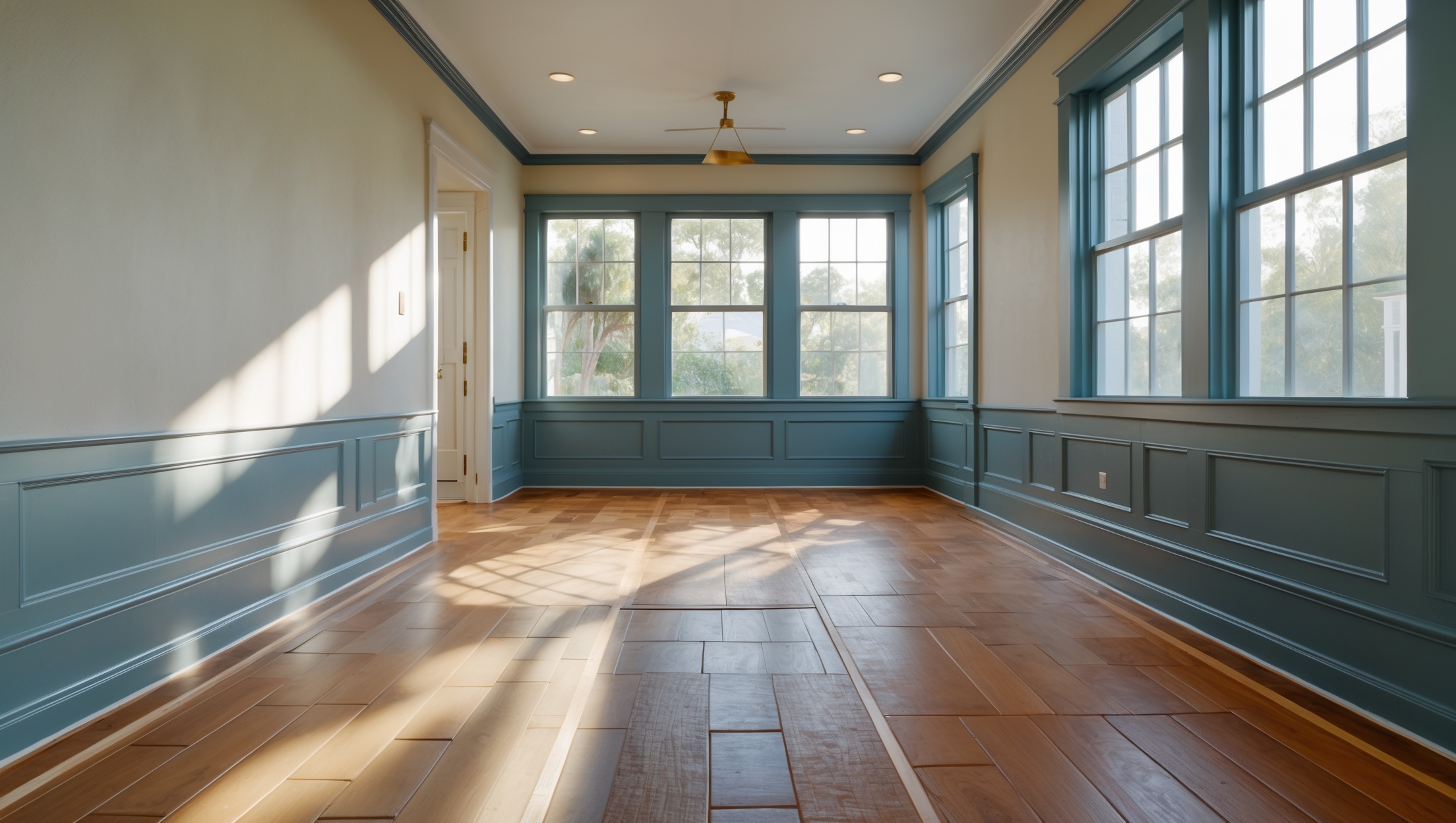
Flooring upgrades are among the most transformative home improvement projects, but for homeowners in Southeast Seminole Heights, navigating the process can be riddled with confusion and misconceptions. With its unique mix of historic bungalows, Craftsman homes, and Florida’s challenging humidity, what works in other cities or climates often doesn’t apply here. Whether you’re eyeing a classic hardwood refinish, a stylish tile upgrade, or modern luxury vinyl planks, chances are you’ve encountered conflicting advice from neighbors, contractors, or online forums. Myths about moisture, installation methods, material durability, and even cost can lead to unnecessary expenses or disappointing results. In this post, we’ll separate fact from fiction, drawing on local expertise and real-world experience to help Southeast Seminole Heights homeowners choose, install, and maintain floors that last—and look great doing it.
Myth #1: “Hardwood Floors Don’t Work in Humid Florida Homes”
The Local Truth
This myth persists because Florida’s humidity does pose real challenges for solid hardwood, but it’s far from impossible—especially in Southeast Seminole Heights, where many historic homes already have original wood floors. The key is choosing the right species, installation method, and finish.
Best Practices for Southeast Seminole Heights
- Wood Species: Opt for dense, moisture-resistant options like white oak, heart pine, or engineered hardwoods.
- Acclimation: Let the wood acclimate inside your home for at least 5–7 days before installation. This allows it to adjust to your home’s environment.
- Moisture Barriers: Use a vapor barrier underlayment, especially in crawlspace or slab homes.
- Professional Installation: Hire local installers familiar with the area’s unique conditions—and ask for references from nearby homes.
Case Study: Restoring 1920s Hardwood in Old Seminole Heights
The Smith family purchased a 1925 Craftsman with original oak floors. Rather than replace them, they worked with a local specialist to repair, refinish, and seal the planks. By controlling indoor humidity with a dehumidifier and using modern sealants, their floors remain stable and stunning even through Florida’s muggiest summers.
Myth #2: “Luxury Vinyl Plank (LVP) Is Always the Best Choice for Wet Areas”
Understanding LVP’s Strengths—and Limits
LVP is popular for a reason: it’s durable, affordable, and highly water-resistant. However, not all products are created equal, and installation shortcuts can undermine its benefits, especially in older homes with uneven subfloors.
- Subfloor Matters: Southeast Seminole Heights homes often have sloped or patched subfloors. LVP requires a smooth, flat surface for long-term performance—otherwise, seams may separate or “telegraph” imperfections.
- Waterproof vs. Water-Resistant: Many LVP products claim to be waterproof, but standing water from floods or plumbing leaks can still seep into seams and cause damage.
- Not Zero Maintenance: LVP still needs regular cleaning and occasional re-sealing of seams in high-moisture rooms.
Pro Tip:
For kitchens, baths, or laundry areas in Southeast Seminole Heights, consider LVP with click-lock installation and waterproof core technology. Always address underlying moisture issues (see Myth #5), and use caulk at edges where water might intrude.
Myth #3: “You Can’t Mix Flooring Styles in a Small Historic Home”
The Local Design Perspective
Many believe that using more than one flooring material in a bungalow or Craftsman home will make rooms feel smaller or disrupt the historic vibe. In reality, thoughtful transitions can enhance both style and function.
- Define Functional Zones: Using tile in the entry or kitchen and wood elsewhere can help manage dirt and moisture—practical for Florida living.
- Historic-Appropriate Choices: Southeast Seminole Heights homes often feature original hex tile, heart pine, or narrow-plank oak. Repeating these materials in renovations maintains character.
- Smooth Transitions: Use flush thresholds or wood inlays to blend materials seamlessly.
Local Example:
A 1930s bungalow on Suwanee Avenue combined new hex tile in the kitchen with restored pine in the living and dining rooms. The result? A cohesive, period-appropriate look that’s also practical for the area’s rainy summers.
Myth #4: “Tile Is Maintenance-Free and Never Cracks”
Reality Check for Southeast Seminole Heights
Tile is a smart choice for wet, high-traffic areas, but it’s not invincible—especially in older homes with shifting foundations or uneven subfloors.
- Movement Matters: Cracking is often due to subfloor movement or improper installation, not the tile itself.
- Grout Maintenance: Grout can discolor or loosen in Florida’s humidity. Sealing grout annually helps prevent stains and mildew.
- Expansion Joints: Professional installers use these to accommodate natural shifts in old homes.
Maintenance Tips:
- Inspect grout and caulking yearly, especially near tubs, showers, and exterior doors.
- Address any new squeaks or dips in the floor promptly—these may signal subfloor issues that could lead to tile damage.
Myth #5: “Moisture Problems Are Only a Concern for Basements”
Florida’s Unique Moisture Challenges
Southeast Seminole Heights homes—many built on crawlspaces or slabs—are vulnerable to ground moisture, plumbing leaks, and high indoor humidity. Failing to address these issues before a flooring upgrade is a recipe for warping, mold, and costly repairs.
- Use a moisture meter to test slabs or wood subfloors before installation.
- Install vapor barriers where recommended (especially under wood or LVP).
- Consider a dehumidifier in rooms prone to dampness, like sunrooms or enclosed porches.
- Regularly clean gutters and grade soil away from foundations to reduce water intrusion.
Case Study: Cupping in a Florida Room
A homeowner installed engineered wood in a glass-enclosed “Florida Room” without testing the slab. Within a year, boards began to cup and separate. Moisture testing revealed high vapor transmission from the slab—an issue that could have been prevented with a proper barrier or alternative material choice.
Myth #6: “DIY Flooring Installation Always Saves Money”
What Homeowners Overlook
While DIY can save on labor, many Southeast Seminole Heights homeowners underestimate the challenges of older homes: out-of-square rooms, uneven subfloors, and hidden surprises like asbestos tile or lead paint.
- Preparation: Removing old flooring often reveals subfloor repairs, pest damage, or code violations.
- Special Tools: Installing tile or hardwood correctly may require a wet saw, flooring nailer, or moisture meter.
- Warranty Risks: DIY installation often voids manufacturer warranties—especially if required steps aren’t documented.
DIY vs. Pro: The Real Cost Breakdown
| Task | DIY Cost (Materials + Tool Rental) | Pro Install (All-In) |
|---|---|---|
| Hardwood (300 sq ft) | $2,400–$3,100 | $3,900–$5,000 |
| LVP (300 sq ft) | $1,400–$1,800 | $2,400–$3,100 |
| Tile (300 sq ft) | $2,200–$2,800 | $3,500–$4,800 |
Note: Unforeseen repairs or mistakes can quickly erase DIY savings.
Myth #7: “All Flooring Warranties Cover Florida Conditions”
Reading the Fine Print
Many flooring warranties exclude damage from excessive humidity, flooding, or improper installation. In Southeast Seminole Heights, where climate extremes are common, it’s essential to:
- Register your warranty with the manufacturer after installation.
- Document the installation process (photos, receipts, installer info).
- Confirm coverage for moisture-related issues and required maintenance (like annual sealing).
Some local flooring suppliers even offer supplemental warranties tailored to Florida’s conditions—ask before you buy.
Myth #8: “Historic Floor Restoration Is Always More Expensive Than Replacement”
Cost vs. Value in Southeast Seminole Heights
Restoring original wood or tile can actually cost less than a full replacement—especially when factoring in demolition, disposal, and new materials. Plus, restored floors often add more value and preserve the historic charm buyers seek in Southeast Seminole Heights.
- Refinishing wood: $4–$7/sq ft (vs. $8–$15/sq ft for new hardwood).
- Tile repair: $6–$12/sq ft (vs. $15+/sq ft for new period-appropriate tile).
- Bonus: Restored features may qualify for local historic preservation incentives.
Tip: Always get multiple quotes from local specialists experienced in historic restoration.
Myth #9: “Any Underlayment Will Do”
Why Underlayment Choice Matters Locally
The right underlayment can make or break your flooring—especially for soundproofing, moisture protection, and comfort. For Southeast Seminole Heights homes:
- Wood Subfloors: Use a breathable felt or foam to avoid trapping moisture.
- Slab Foundations: Look for underlayments with built-in vapor barriers.
- Historic Homes: Consider cork or specialized soundproofing products to dampen noise between floors.
Consult with your installer to match underlayment to your home’s foundation and chosen flooring material.
Myth #10: “You Have to Replace the Floor to Fix Squeaks or Soft Spots”
Practical Fixes for Older Homes
Squeaks, dips, or soft spots are common in Southeast Seminole Heights’ older homes, but full replacement is rarely necessary. Most issues stem from loose nails, settling, or minor joist damage.
- Identify the source: Is it a loose board, joist, or subfloor panel?
- Quick fix: Secure loose boards with finishing nails or specialty screws.
- For persistent dips: Add shims or sister joists from underneath (usually accessible via crawlspace).
Many local handymen specialize in these repairs and can often complete them in a single visit.
Conclusion: Making Informed Flooring Choices in Southeast Seminole Heights
Flooring upgrades can dramatically improve comfort, value, and daily living—but only if you separate fact from fiction. Myths about materials, maintenance, and cost run rampant, particularly in a neighborhood as unique as Southeast Seminole Heights. By understanding local conditions—high humidity, historic construction quirks, and the realities of Florida weather—you can make choices that stand up to both time and the climate.
The best flooring projects start with honest assessments: test for moisture, inspect subfloors, and get advice from local pros. Don’t assume that what worked for a friend in another region will work in your home. Instead, focus on proven materials and installation methods tailored to our area. Consider restoring existing wood or tile to preserve character; invest in the right underlayment and moisture barriers; and don’t hesitate to mix materials thoughtfully for both function and style. Remember, a skilled installer with local experience can prevent costly mistakes and ensure warranties actually protect your investment.
Most importantly, don’t let myths—or “one size fits all” solutions—drive your decisions. With the right approach, your flooring upgrade will not only look beautiful but also stand up to the rigors of Southeast Seminole Heights living for years to come.