
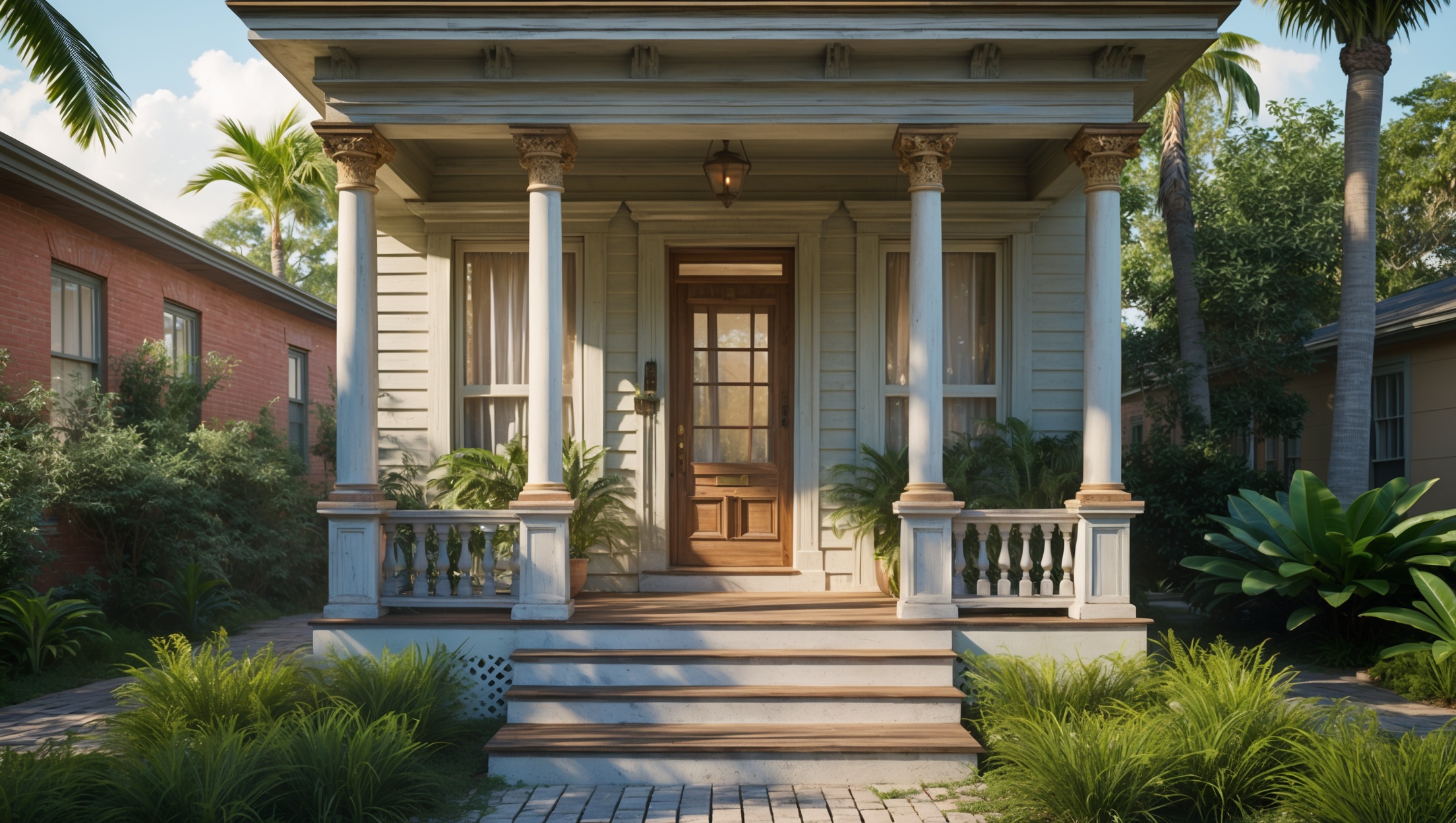
Introduction: Why Restore Your Historic Porch?
In Southeast Seminole Heights, porches are more than architectural features—they’re where neighbors gather, families relax, and the character of each historic home shines. Many local bungalows and craftsman houses boast original porches dating back to the early 20th century. These spaces have weathered decades of Florida sun, rain, and humidity, leading to inevitable wear and tear. Restoring a historic porch is an investment that preserves your home’s value, enhances curb appeal, and maintains the unique charm that makes Southeast Seminole Heights special.
This comprehensive guide will walk you through every step of a successful porch restoration, tailored specifically to the challenges and opportunities of our neighborhood. Whether you’re facing wood rot, sagging railings, or outdated concrete, you’ll learn how to choose the right local materials, plan your budget realistically, and ensure your project meets both your vision and local requirements. We’ll share practical insights from local restoration experts, break down costs, and help you avoid common pitfalls—so your porch can once again become the welcoming heart of your home.
Understanding Historic Porch Construction in Southeast Seminole Heights
Common Porch Styles and Materials
Porches in Southeast Seminole Heights typically reflect architectural styles such as Craftsman, Bungalow, and Mediterranean Revival. Key features often include:
- Wooden Columns & Railings: Often made from Southern Pine or Cypress.
- Beadboard Ceilings: Adds period charm and offers some moisture resistance.
- Brick or Poured Concrete Steps: Durable, with unique local patterns.
- Decorative Trim & Lattice: Showcases craftsmanship and era-specific details.
Typical Damage and Deterioration
The local climate poses unique challenges:
- Wood Rot from consistent humidity and occasional flooding.
- Termite Damage—older homes are particularly vulnerable.
- Peeling Paint and Finish Failure due to UV exposure.
- Loose Railings and Settling Foundations from shifting soils and moisture.
Planning Your Porch Restoration: Scope and Budget
Assessing the Condition
Before you start, conduct a thorough inspection. Look for:
- Soft spots in flooring or columns indicating wood rot.
- Cracks in concrete steps or masonry piers.
- Loose or missing balusters and railings.
- Insect damage—especially near soil contact or damp areas.
Photograph problem areas and make detailed notes to guide your repairs.
Setting a Realistic Budget
Porch restoration costs in Southeast Seminole Heights vary depending on scope and materials. Here’s a rough breakdown:
- Minor Repairs (patching, painting, replacing a few boards): $500–$2,000
- Partial Rebuild (flooring, railings, steps): $3,000–$7,500
- Full Restoration (structural repairs, custom millwork): $8,000–$20,000+
Always add a 10–15% contingency for unexpected issues, especially in older homes where hidden damage is common.
Choosing the Right Materials for Local Conditions
Wood Species Suited for Florida’s Climate
- Cypress: Naturally resistant to moisture and insects; widely available locally.
- Pressure-Treated Pine: Budget-friendly but ensure it’s rated for ground contact.
- Mahogany or Ipe: Premium hardwoods for flooring or steps; higher cost but superior durability.
Alternatives to Traditional Materials
- Composite Decking: Low-maintenance; modern look may not suit all historic homes.
- Rot-Resistant Trim Products: Polyurethane or PVC for decorative elements exposed to constant rain.
Finding Local Suppliers
Support local businesses by sourcing materials from:
- Historic building supply stores in Tampa and Seminole Heights.
- Specialty lumberyards offering custom milling for period-accurate trims and columns.
Step-by-Step Porch Restoration Process
1. Preparation and Site Protection
- Clear the porch of furniture and décor.
- Protect landscaping with tarps.
- If lead paint is suspected, follow EPA guidelines for safe containment and disposal.
2. Structural Assessment and Demolition
- Remove damaged floorboards, railings, or columns carefully to avoid damaging salvageable features.
- Inspect the substructure for rot or insect damage.
- Address any foundation issues before cosmetic repairs.
3. Repairing and Replacing Components
- Flooring: Replace rotten boards with matching species and profiles.
- Columns and Railings: Replicate existing details; use epoxy consolidants for minor repairs.
- Ceiling: Patch or replace beadboard; use mold-resistant primers.
- Steps and Skirting: Repoint brickwork or pour new concrete as needed.
4. Finishing Touches
- Sand all new wood surfaces smooth.
- Prime with a high-quality, exterior-grade primer.
- Paint or stain using finishes rated for high humidity and UV resistance.
- Reinstall or upgrade decorative trim, lattice, and hardware to match the home’s era.
Dealing with Permits and Compliance
Most porch restorations in Southeast Seminole Heights—especially on properties within a historic district—require permits. Here’s how to navigate the process:
- Contact City of Tampa’s Historic Preservation office: Confirm if your home is in a protected area and if specific design guidelines apply.
- Submit detailed plans and photos: The city may require you to match original materials and profiles.
- Schedule inspections: For structural work, expect multiple inspections (framing, final, etc.).
- HOA Restrictions: If applicable, check your neighborhood association for additional rules.
Hiring Professionals vs. DIY: Making the Right Choice
When to Hire a Specialist
- Extensive rot or structural repairs—especially if your porch is elevated or supports a roof.
- Custom millwork replication for columns, balusters, or trim.
- Lead paint remediation or asbestos-containing materials.
DIY-Friendly Tasks
- Painting and staining.
- Replacing a few boards or balusters.
- Minor repairs with epoxy wood fillers.
Always consult a pro if you’re unsure about the structural integrity of your porch or if your home is officially designated as historic.
Budget Planning: Maximizing Value Without Sacrificing Authenticity
Where to Save
- Source reclaimed materials: Architectural salvage yards can provide period-appropriate wood or hardware at reduced prices.
- DIY select tasks: Prep, painting, and minor repairs can cut labor costs.
Where to Invest
- Structural repairs: Never cut corners here—hidden rot or settling can lead to major expenses later.
- Authentic details: Columns and railings are focal points; invest in accurate profiles and high-quality finishes.
Example Budget Breakdown
- Materials: 40–50%
- Labor: 35–50%
- Permits and disposal: 5–10%
- Contingency: 10–15%
Maintenance Tips: Protecting Your Investment
- Inspect annually: Check for soft spots, peeling paint, and water intrusion after every rainy season.
- Repaint or reseal: Every 3–5 years, depending on exposure.
- Keep debris away: Sweep leaves and dirt regularly to prevent moisture buildup.
- Address drainage: Ensure gutters and downspouts direct water away from porch foundations.
Case Study: A Southeast Seminole Heights Porch Transformation
The Smith family’s 1925 bungalow had a porch suffering from termite damage, flaking paint, and sagging steps. Working with a local restoration contractor, they chose locally milled cypress for new floorboards, matched their original column profiles via a Tampa craftsman, and sourced vintage hardware from a Seminole Heights salvage yard. The project took six weeks, with a total cost of $13,500—split between materials, labor, and permits. Today, their porch is not only structurally sound but also a showcase of historic charm, adding value and pride to their home.
Conclusion: Bringing Your Porch—and Neighborhood—Back to Life
Restoring a historic porch in Southeast Seminole Heights is about more than fixing wood or repainting railings. It’s a way to honor the area’s rich architectural legacy and foster a deeper connection with your neighborhood. By investing in period-appropriate materials and careful craftsmanship, you help preserve the welcoming, walkable charm that draws so many to our tree-lined streets and vibrant local culture.
Every porch restored adds another thread to the fabric of community life—encouraging neighborly conversations, providing shade for summer afternoons, and offering a front-row seat to the unique rhythms of Southeast Seminole Heights. With thoughtful planning, smart budgeting, and the right materials, your porch can become a lasting legacy—one that’s ready to welcome friends and family for generations to come.
If you’re ready to start your own restoration journey, use this guide as your roadmap. Seek advice from local experts, source materials that honor your home’s history, and remember: in Southeast Seminole Heights, every detail matters. Restoring your porch doesn’t just enhance your home—it strengthens the spirit of our whole community, one board at a time.