
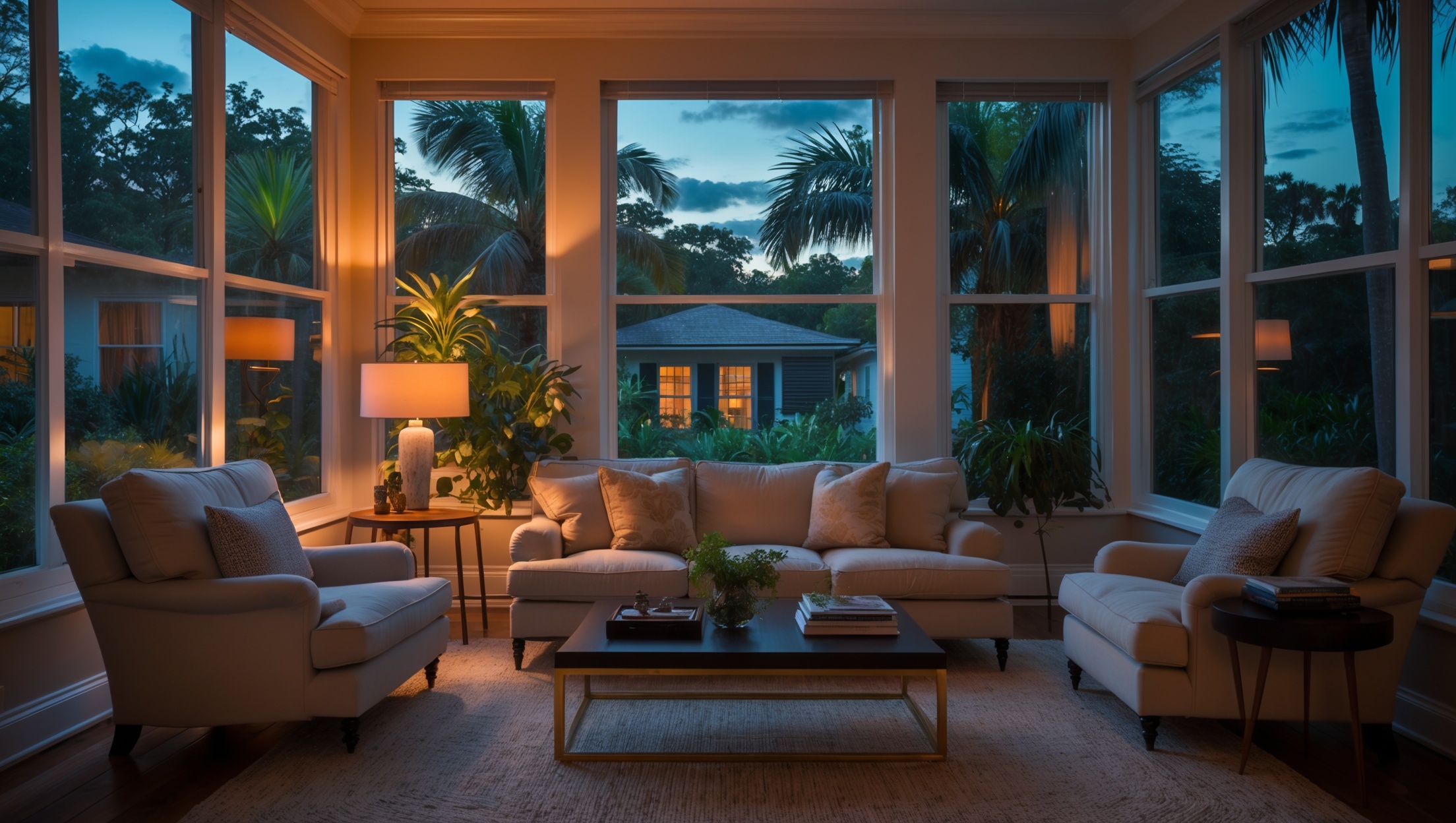
Introduction: Why Upgrade Your Lighting in Southeast Seminole Heights?
Lighting is one of the most effective and affordable ways to improve the comfort, value, and energy efficiency of your home—especially in Southeast Seminole Heights, where historic charm often meets the need for modern performance. Whether you live in a 1920s bungalow or a mid-century ranch, outdated fixtures and inefficient bulbs can drive up your utility bills, create unwanted heat, and even affect the ambiance of your living spaces. Upgrading to energy-efficient lighting isn’t just about saving money (though you’ll see the difference on your electric bill); it’s about making your home more livable, reducing your environmental impact, and, in many cases, highlighting the unique architectural features that make Southeast Seminole Heights homes so beloved.
This comprehensive guide will walk you through every step of a successful energy-efficient lighting upgrade, from understanding the benefits and costs to choosing the right fixtures and bulbs for our local climate. We’ll also cover important local considerations, such as compliance with Tampa’s code requirements, sourcing products from nearby suppliers, and practical tips for preserving historic details. Whether you’re a DIYer or planning to hire a licensed electrician, you’ll finish this article with the confidence and knowledge to transform your lighting—and your home.
Understanding the Benefits of Energy-Efficient Lighting
Lower Utility Bills
Switching to LED or other high-efficiency lighting options can reduce your lighting energy use by up to 75%. In Southeast Seminole Heights, where summer A/C bills can surge, every watt saved helps ease your monthly expenses. For a typical 1,400-square-foot home, this could mean savings of $100–$300 per year.
Better Light Quality
Modern energy-efficient bulbs offer a wider range of color temperatures, improved color rendering, and instant full brightness. You can choose warm lighting to complement original hardwoods or daylight tones for kitchens and workspaces.
Reduced Cooling Costs
Traditional incandescent and halogen bulbs emit significant heat, making your A/C work harder—especially during Tampa’s humid summers. LEDs and CFLs stay cool to the touch, contributing less heat to your home.
Longer Bulb Life
Energy-efficient bulbs often last 10–25 times longer than incandescents, meaning fewer ladder climbs and less waste.
Environmental Impact
Lower energy use translates to a smaller carbon footprint, and many local waste programs now accept CFL and LED recycling, making proper disposal easy.
Assessing Your Current Lighting: Room-by-Room Checklist
- Living Room: Are your main fixtures compatible with LED bulbs? Is light distributed evenly, or are there dark corners?
- Kitchen: Do you have under-cabinet lighting? Are task areas (like the sink and stove) well lit?
- Bedrooms: Are bedside lamps using high-wattage bulbs? Consider dimmable LEDs for comfort.
- Bathrooms: Is your vanity lighting harsh or insufficient? Look for bulbs with high CRI (Color Rendering Index) for accurate skin tones.
- Hallways & Entryways: Are these often-overlooked spaces using old fixtures or bulbs that stay on all night?
- Outdoor Lighting: Are porch, security, or landscape lights left on for hours? Motion sensors and dusk-to-dawn features can save energy.
Walk through your home at night, noting any areas that are too dim, too bright, or use older technology. An inventory spreadsheet can help track which bulbs and fixtures need upgrades.
Budgeting and Cost Breakdown for Lighting Upgrades
Typical Costs in Southeast Seminole Heights
- LED Bulbs: $3–$8 each for standard bulbs; $6–$15 for specialty shapes or features
- New Fixtures: $30–$150 for most rooms; $200+ for statement or historic replica pieces
- Smart Switches/Dimmers: $25–$60 each
- Professional Installation: $90–$150 per hour (licensed electrician)
Potential Rebates and Incentives
Duke Energy and Tampa Electric (TECO) occasionally offer rebates for high-efficiency lighting. Check local utility websites before you buy.
Sample Budget: 3-Bedroom Bungalow
- 20 LED bulbs: $120
- 6 new fixtures: $540
- 4 smart dimmers: $180
- Electrician (2 hrs): $250
- Total: $1,090 (before possible rebates)
Choosing the Right Bulbs and Fixtures: Local Considerations
Bulb Types and Color Temperatures
- LED: Best for most uses—energy efficient, long-lasting, available in a range of shapes.
- CFL: Slightly less efficient and slower to reach full brightness; being phased out.
- Color Temperature: 2700K–3000K for warm, cozy rooms; 3500K–4000K for kitchens/baths; 5000K for daylight tasks.
- High CRI (90+): For truer color, especially in spaces with art or rich woodwork.
Fixture Styles That Complement Historic Homes
Many local suppliers (like Tampa Lighting or Ferguson) offer period-appropriate fixtures with modern LED compatibility. Look for:
- Schoolhouse or globe pendants
- Art Deco sconces
- Mission or Craftsman styles
When replacing original fixtures, consider refurbishing them with new wiring and LED-compatible sockets—a service some local electricians offer.
Outdoor Lighting for Florida Weather
Choose fixtures rated for wet or damp locations. Brass, powder-coated aluminum, or marine-grade stainless steel withstand humidity and storms. Look for motion sensors or solar-powered path lights for extra efficiency.
Step-by-Step Lighting Upgrade Process
Step 1: Plan Your Project
- Make a list of all fixtures and bulbs in your home
- Decide which need full replacement versus simple bulb upgrades
- Set your budget and timeline
Step 2: Purchase Local and Online
- Shop local lighting stores for in-person advice and to match historic details
- Order specialty bulbs (e.g., high-CRI, smart bulbs) online if necessary
- Check for utility rebates before finalizing purchases
Step 3: Safety First—Turn Off Power
Always shut off breakers before changing fixtures or wiring. Use a voltage tester to ensure power is off.
Step 4: Upgrade Bulbs
- Replace old incandescents and CFLs with LEDs
- Choose the correct base (E26, GU10, etc.) and wattage equivalent
- Test dimmable bulbs before installing with dimmers
Step 5: Replace Fixtures (if needed)
- Mount new fixtures according to manufacturer instructions
- Use appropriate anchors for plaster or lath walls common in historic homes
- For heavy fixtures, reinforce electrical boxes as needed
Step 6: Install Smart Switches or Dimmers
- Follow wiring diagrams carefully—many require a neutral wire
- Connect to your home Wi-Fi and test controls
Step 7: Dispose of Old Bulbs Responsibly
- Drop-off CFLs and fluorescents at Hillsborough County collection sites
- Recycle cardboard and plastic packaging
Step 8: Fine-Tune Your Setup
- Adjust bulb brightness and color for each room’s mood and function
- Set up schedules or motion sensors for outdoor/security lights
Local Codes, Permits, and Compliance Tips
Do You Need a Permit?
Swapping bulbs or most fixtures does not require a permit in Tampa. However, if you’re moving wiring, installing new circuits, or working in a historic district, you may need approval.
- Historic District: Exterior fixture changes visible from the street may require Architectural Review Commission approval. Check with the City of Tampa’s Historic Preservation office if in doubt.
- Electrical Work: Any new wiring or panel upgrades must be done by a licensed electrician and may require a permit.
Local Electricians and Specialists
For complex jobs or historic fixture retrofits, hire a licensed pro familiar with Southeast Seminole Heights homes. Ask for references and verify insurance before work begins.
Maintenance and Best Practices for Energy-Efficient Lighting
- Dust bulbs and fixtures quarterly for maximum brightness
- Replace outdoor bulbs annually (even if rated for longer) due to humidity and insects
- Check smart controls for firmware updates
- Keep receipts for bulbs and fixtures—many have warranties
- Monitor for flickering or buzzing, which can indicate incompatible dimmers or faulty wiring
Common Lighting Upgrade Myths—Debunked for Southeast Seminole Heights
- “LEDs are too harsh for historic homes.” Modern LEDs come in warm hues that mimic incandescent glow—perfect for period interiors.
- “Upgrading lighting is expensive.” Most homes can see big savings with a modest investment—plus utility rebates can offset costs.
- “You have to replace all fixtures.” Many older fixtures can be retrofitted with LED-compatible components, preserving your home’s original charm.
- “Smart lighting requires rewiring.” Many smart bulbs and switches are designed for easy, retrofit installation.
Case Study: A Real Lighting Makeover in Southeast Seminole Heights
When local homeowners Jessica and Mark purchased a 1935 Craftsman, their first summer electric bill was a shock. The culprit? Dozens of old incandescent bulbs and a patchwork of mismatched fixtures. Working with a local lighting consultant, they mapped out a room-by-room upgrade:
- Swapped all bulbs for high-CRI LEDs in warm white
- Rewired and restored original dining room chandelier
- Added motion-activated porch lights and smart switches for security
- Installed under-cabinet LEDs in the kitchen for better task lighting
The result: A 35% drop in monthly energy use, cooler rooms in summer, and a home that felt brighter without losing its historic soul.
Conclusion: Lighting the Way to a Brighter, Greener Home
Upgrading to energy-efficient lighting in Southeast Seminole Heights isn’t just a quick fix—it’s a smart investment in your home’s comfort, style, and sustainability. By carefully selecting the right bulbs and fixtures, respecting historic details, and following local regulations, you can achieve a dramatic transformation that pays for itself over time. Whether you’re taking on a whole-home overhaul or simply swapping out a few key fixtures, the process is accessible for every homeowner, regardless of technical skill.
Don’t underestimate the impact that modern lighting can have on daily living. From making your living spaces more inviting to boosting security and reducing maintenance hassles, the benefits extend well beyond the electric bill. Most importantly, by choosing energy-efficient solutions, you’re doing your part to preserve the unique character of Southeast Seminole Heights—both for your family and for generations to come.
Ready to get started? Begin with a walk-through of your own home, make a plan (and a budget), and reach out to local experts if you need help. Small changes add up, and with the right guidance, your lighting upgrade will shine as a true highlight of your next home improvement project.
You mention savings of $100–$300 per year for homes—would the upgrade costs and potential savings be similar for small commercial spaces in Southeast Seminole Heights, or should I expect a different range?
For small commercial spaces, upgrade costs are usually higher than for homes because of larger areas and more fixtures. However, energy savings can also be greater, often exceeding $300 per year depending on usage. The upfront investment and payback period might differ, so it’s a good idea to get a tailored estimate for your specific space.
Could you clarify if there are specific Tampa code requirements for lighting upgrades in older homes, particularly when trying to preserve original fixtures in a 1920s bungalow?
Tampa’s building codes require that any electrical upgrades, including lighting, meet current safety standards, even in older homes. If you’re preserving original fixtures, you may need to retrofit them with approved wiring and compatible energy-efficient bulbs. Always consult with a licensed electrician to ensure compliance while maintaining the historic character of your bungalow.
Could you elaborate on any specific Tampa code requirements that homeowners should be aware of when upgrading their lighting, especially for DIY projects?
When upgrading lighting in Tampa, homeowners should make sure all fixtures and installations comply with the Florida Building Code. This includes using UL-listed fixtures, ensuring proper wiring methods, and not overloading circuits. Also, any new outdoor lighting should follow local dark-sky and energy efficiency ordinances. For DIY projects, permits may be required for major electrical changes—it’s wise to check with the city’s building department before starting.
How difficult is it for someone with basic DIY skills to swap out old fixtures and still preserve the original details, or is it better to hire a licensed electrician for historic homes?
If you have basic DIY skills, swapping out old fixtures can be manageable, but preserving original details—especially in historic homes—can be tricky. Historic fixtures may have unique wiring or delicate parts. If you’re concerned about damaging original features or dealing with older electrical systems, it’s safer to hire a licensed electrician with experience in historic properties.
For a mid-century ranch, about how long does a typical LED upgrade project take if I’m doing it myself, and are there any steps I should watch out for to avoid damaging original details?
For a mid-century ranch, a DIY LED upgrade usually takes a weekend or less, depending on the number of fixtures. Be cautious when removing old fixtures—use painter’s tape to protect ceiling or wall finishes, and avoid overtightening new hardware to preserve original materials. Also, double-check bulb sizes to match your home’s existing look.