
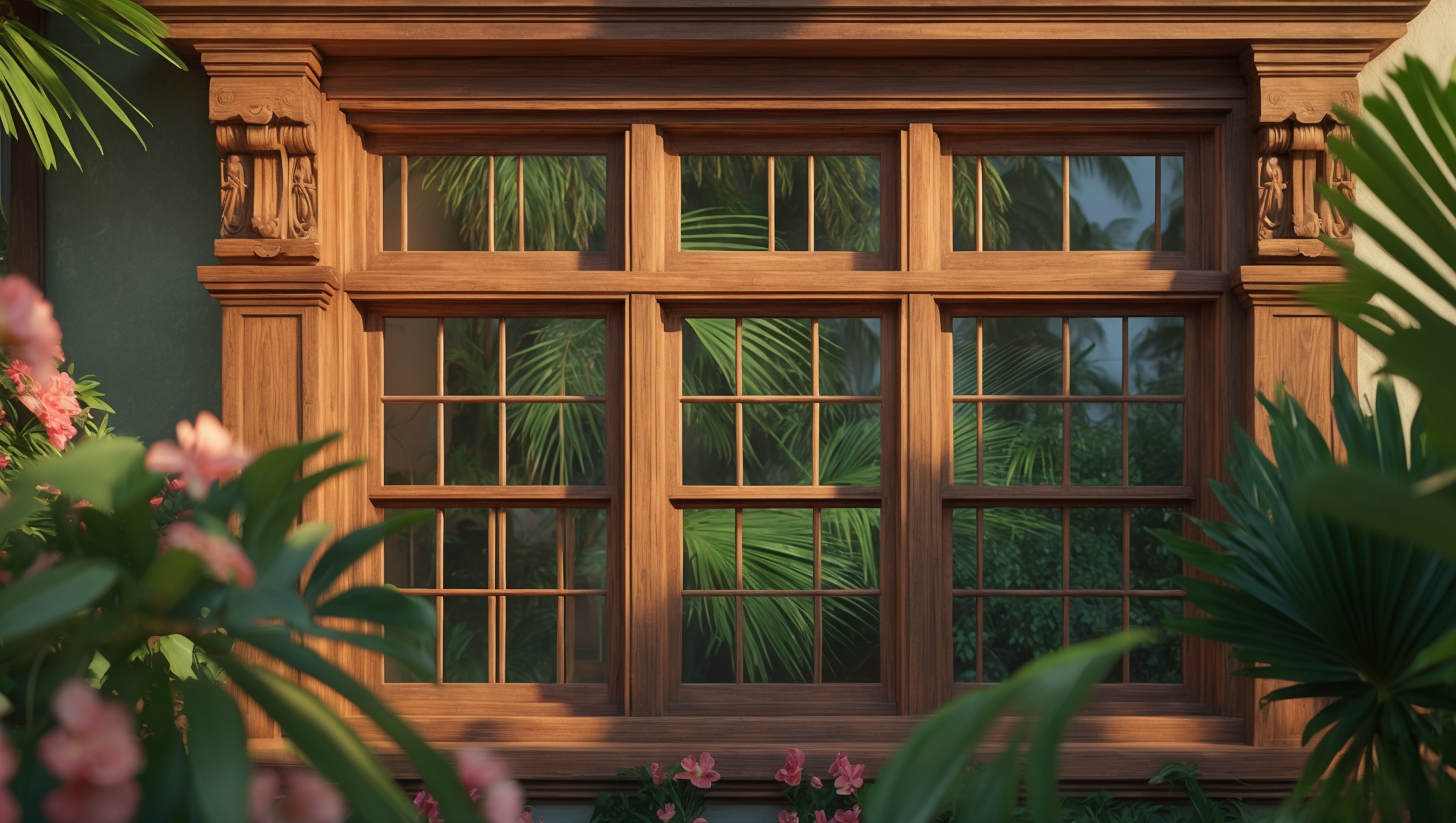
Introduction: Preserving Character While Enhancing Comfort
Southeast Seminole Heights is celebrated for its charming historic homes, many of which feature original wood windows that have weathered generations. These windows are more than mere architectural details—they’re key contributors to your home’s character, value, and even its livability. However, maintaining or restoring historic windows comes with unique challenges, from navigating local compliance requirements to balancing cost, energy efficiency, and long-term durability.
Many homeowners face the dilemma of whether to replace or restore aging windows. While modern replacements promise easy energy savings, they can diminish a home’s historic value and may not meet local preservation standards. Restoration, on the other hand, allows you to retain authenticity and often proves more sustainable in the long run. This guide will walk you through the essentials of historic window restoration in Southeast Seminole Heights—from understanding regulations and cost structures to making smart energy upgrades and accessing local expertise. Whether you’re a first-time restorer or looking to refine your approach, this comprehensive resource is tailored for our neighborhood’s unique homes and climate.
Understanding Local Compliance and Historic Regulations
Why Compliance Matters
In Southeast Seminole Heights, many homes fall under historic preservation or overlay districts. These local ordinances exist to protect the neighborhood’s distinctive look and feel. If you own a home built before 1950 or one that’s listed as contributing to the historic character of the area, your windows likely fall under specific regulations. Non-compliance can result in fines or forced removal of unauthorized upgrades.
Key Steps for Navigating Window Regulations
- Check Your Home’s Status: Visit the City of Tampa’s Historic Preservation office online or in-person to confirm whether your property is in a protected district or has landmark status.
- Review Local Guidelines: Download the Southeast Seminole Heights Historic District guidelines, which detail window requirements, approved materials, and design expectations.
- Permit Requirements: Most window restoration projects—even those involving in-kind repairs—require a Certificate of Appropriateness (COA) and a building permit. Start these applications early to avoid delays.
- Documentation: Take detailed photos of your existing windows, noting condition and unique features. This will support your permit application and help contractors prepare accurate bids.
- Consult the Review Board: For complex projects or unusual window types, consider scheduling a pre-application meeting with the Architectural Review Commission (ARC) for Southeast Seminole Heights.
Cost Breakdown: What to Expect When Restoring Historic Windows
Major Cost Factors
Unlike simple replacements, historic window restoration is labor-intensive and highly variable in cost. Here’s what shapes your budget:
- Number and Size of Windows: Large or unusually shaped windows take more time and material.
- Condition: Extensive rot, broken glass, or hardware replacement increases costs.
- Materials: Matching historic wood species or custom glass can be pricier than modern options.
- Finish Level: Restoring decorative muntins, leaded glass, or ornate trim adds to labor time.
- Compliance Documentation: Fees for permits, COA applications, and possible consulting services.
Sample Budget Ranges for Southeast Seminole Heights (2024)
- Basic restoration (per window): $500–$900 (includes stripping, minor repairs, basic glazing, paint)
- Full restoration (per window): $900–$1,600 (includes sash rebuild, hardware repair, custom glass, historic paint match)
- Permit and COA fees: $150–$400 per project
- Professional assessment: $100–$250 (may be credited if you proceed with the contractor)
DIY can reduce labor costs, but be realistic about your skills and time commitment. Specialized tools and materials may erode some of the expected savings.
Step-by-Step Restoration Process
1. Assessment and Planning
Begin by thoroughly inspecting each window. Look for signs of rot, failing glazing, stuck sashes, or broken panes. Prioritize windows that are exposed to the most weather or are structurally unsound.
- Document problems with photos and notes.
- Plan for temporary weatherproofing if you’ll have windows out of service for several days.
2. Removing Sashes Safely
Carefully remove the window sashes. In many historic homes, sashes are held in place with stops that can be gently pried off. Wear gloves and a mask to protect against old paint, which may contain lead.
- Label each sash and its corresponding frame to ensure correct reinstallation.
- Use padded surfaces to prevent damaging fragile wood or glass.
3. Paint and Glazing Removal
Strip old paint and glazing compound using scrapers, heat guns (with caution), or chemical strippers approved for historic woodwork. Avoid aggressive sanding, which can remove detail.
- Test a small area to ensure your chosen method won’t damage the wood.
- Dispose of old lead paint debris safely and in accordance with local regulations.
4. Repairing Wood and Hardware
Address rot by cutting out and splicing in matching wood. Epoxy consolidants are a good solution for minor repairs. Clean or replace pulleys, sash cords, and locks as needed.
- Use wood species similar to the original for patches.
- Lubricate moving parts for smooth operation.
5. Reglazing and Weatherproofing
Install new glass if needed, bed it in linseed oil putty, and secure with glazing points. Allow the putty to cure before painting. Add new weatherstripping to reduce drafts while maintaining the window’s ability to vent.
- Choose weatherstripping that won’t interfere with sash movement.
- Consider invisible options like bronze spring strips for authenticity.
6. Painting and Finishing
Prime all bare wood with oil-based or high-quality acrylic primer, then apply two coats of exterior-grade paint matched to your home’s historic palette. Avoid painting moving parts shut.
- Paint the glass edge slightly to seal the glazing putty from moisture.
7. Reinstallation and Final Check
Reinstall sashes carefully, reattach stops, and test for smooth operation. Confirm that locks and latches work as intended. Make any final touch-ups to paint or caulk as needed.
Energy Efficiency Upgrades for Historic Windows
Why Not Replace?
Historic single-pane windows get a bad reputation for inefficiency, but studies show that restoration—paired with targeted upgrades—can bring performance close to modern replacements without sacrificing aesthetics or compliance.
Proven Strategies for Southeast Seminole Heights
- Interior Storm Windows: These removable panels are practically invisible, improve insulation, and satisfy historic guidelines. Look for custom-fit options for unique window sizes.
- Weatherstripping: Properly installed, high-quality weatherstripping can cut drafts by up to 80%.
- Low-E Glass Films: Applied directly to glass, these films block UV and infrared heat without altering appearance. Confirm with local review boards before installation.
- Window Treatments: Cellular shades or lined curtains add a layer of insulation, especially in rooms with western or southern exposure.
What to Avoid
- Vinyl or aluminum replacement windows that don’t match original profiles—these may be rejected by the ARC and can lower property value.
- Poor-quality storm windows mounted on the exterior, which can trap moisture or obscure decorative muntins.
Common Pitfalls and How to Avoid Them
Lead Paint Hazards
Most homes built before 1978 contain lead paint. Always test before disturbing painted surfaces and use EPA-certified contractors if you’re not experienced in safe removal.
Over-Restoration
It’s tempting to strip every layer of paint or replace minor imperfections, but doing so can erase historic character. Retain as much original material as possible—small flaws often add to a home’s story.
Ignoring Local Expertise
Attempting a complex restoration without consulting local pros or the ARC can lead to costly mistakes. Leverage neighborhood knowledge—many contractors in Southeast Seminole Heights specialize in historic windows and can provide references or examples of past work.
Accessing Local Resources and Contractors
Finding the Right Help
Seek recommendations from Southeast Seminole Heights neighborhood associations or local historic preservation groups. Review portfolios and request references before hiring. Confirm contractors have experience with homes of similar age and style.
- Check for membership in preservation organizations or the Window Preservation Alliance.
- Verify licensing, insurance, and familiarity with local permitting processes.
Material Suppliers and Salvage Yards
Historic window parts often require specialty materials. Explore Tampa-area architectural salvage yards for matching sashes, glass, or hardware. Local lumberyards may carry appropriate wood species for repairs.
Workshops and Community Support
Look for DIY restoration workshops hosted by local preservation societies. These hands-on sessions can build your confidence and connect you with neighbors tackling similar projects.
Maintenance Best Practices for Long-Term Performance
Seasonal Inspection Checklist
- Each spring and fall, inspect for peeling paint, soft spots in wood, or sticky sashes.
- Touch up paint and caulk as needed to prevent water intrusion.
- Lubricate pulleys and locks to ensure smooth movement.
- Clean tracks and glass with gentle, non-abrasive products.
Managing Humidity and Pests
Florida’s climate is tough on wood. Use dehumidifiers in problem areas and keep vegetation trimmed back from window frames to reduce rot and termite risk.
Scheduling Professional Tune-Ups
Every 5–7 years, consider a thorough professional assessment and tune-up. Early intervention can prevent small issues from becoming expensive repairs.
Conclusion: Investing in Value, Comfort, and Neighborhood Heritage
Restoring historic windows in Southeast Seminole Heights is more than a technical project—it’s a meaningful investment in your home’s value, comfort, and contribution to the neighborhood’s unique heritage. By navigating local compliance requirements, budgeting realistically, and choosing the right energy upgrades, you can preserve both the beauty and the function of these irreplaceable features.
Remember, the most successful restorations start with a thoughtful plan and a deep respect for original craftsmanship. Whether you tackle the work yourself or partner with local professionals, you’re ensuring that the architectural legacy of Southeast Seminole Heights endures for generations. Plus, by opting for restoration over replacement, you’re making a sustainable choice that honors both history and the environment. Take the time to research, connect with community resources, and maintain your windows with care. The rewards—a more comfortable, efficient, and beautiful home—are well worth the effort.
If you’re ready to begin, start with a single window and build your skills and confidence. Share your progress with neighbors, participate in local workshops, and don’t hesitate to seek expert advice as you go. With each restored window, you’re helping to keep the spirit of Southeast Seminole Heights alive—one pane at a time.
Can you share any ballpark estimates on what it typically costs to restore original wood windows in Southeast Seminole Heights, especially if you have to meet historic guidelines?
Restoring original wood windows to meet historic guidelines in Southeast Seminole Heights typically costs between $400 and $900 per window, depending on their condition and the level of detail required. Costs can be higher for extensive repairs or specialty glass. Always check with local preservation authorities for approved contractors and specific requirements.