
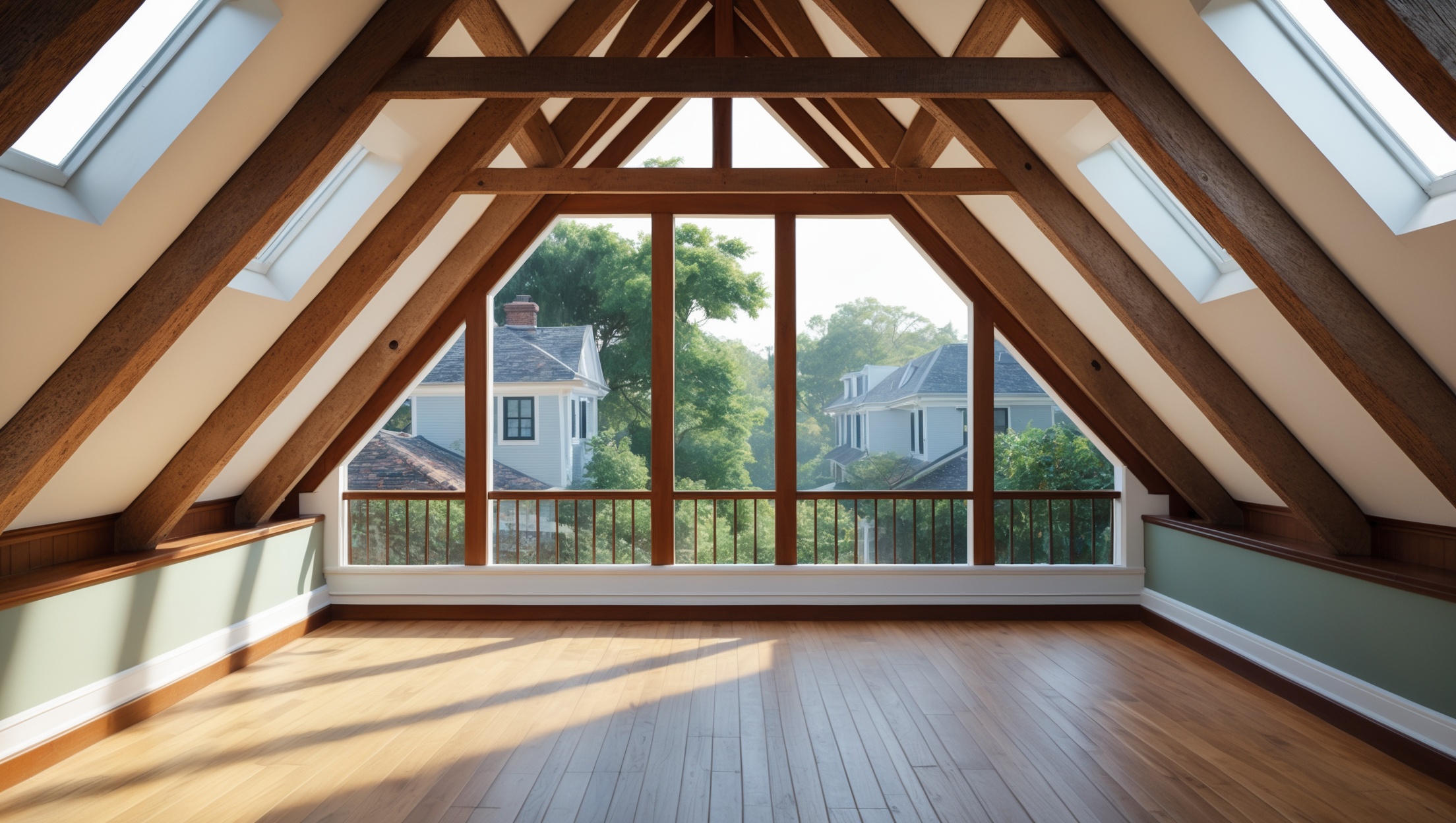
Attic conversions are gaining popularity across Southeast Seminole Heights, especially among homeowners seeking to maximize living space without sacrificing their property’s historic charm. In this vibrant Tampa neighborhood, where character-filled bungalows and mid-century homes meet modern lifestyle needs, an attic conversion can be the ideal solution for a home office, guest suite, studio, or extra bedroom. However, transforming an underused attic into a functional, safe, and stylish living area involves more than just a coat of paint or new flooring. It’s a substantial investment that requires careful planning, a clear understanding of costs, and familiarity with local factors that can influence your budget.
This comprehensive guide breaks down every major expense involved in converting an attic in Southeast Seminole Heights. We’ll cover the price ranges you can expect for materials and labor in the local market, highlight important budgeting strategies, and reveal expert tips to keep your project on track. Whether you’re dreaming of a cozy nook or a full-scale suite, you’ll find actionable advice tailored to the neighborhood’s unique housing stock and building codes. Let’s explore what it really takes—financially and practically—to unlock the hidden potential above your ceiling.
Understanding the Scope: What’s Involved in an Attic Conversion?
Before examining costs, it’s essential to understand what an attic conversion in Southeast Seminole Heights typically includes. Most attics in this area are unfinished, with limited access, minimal insulation, and often outdated wiring or structural supports. A successful conversion generally requires:
- Structural assessment and potential reinforcement
- Improved access (stairs or pull-down ladders)
- Insulation and ventilation upgrades
- Electrical and lighting installation
- Plumbing (if a bathroom or wet bar is added)
- Drywall, flooring, and finish carpentry
- Heating, ventilation, and air conditioning (HVAC) integration
- Windows or skylights for natural light and emergency egress
The cost of your project will vary significantly based on these components, the size and shape of your attic, the age of your home, and your desired level of finish.
Structural Assessment and Reinforcement: The First Step
Why It Matters
Many Southeast Seminole Heights homes were built before modern building codes, and not all attics were designed for living space. A licensed structural engineer or contractor must assess the joists, rafters, and overall framework to ensure safety and stability.
Cost Breakdown
- Structural assessment report: $350 – $700
- Reinforcement (beams, joists, supports): $2,000 – $8,000, depending on scope
Expert Tip: Always budget for possible reinforcements—unexpected issues are common in older homes. Getting a thorough assessment up front will prevent cost overruns later.
Access: Stairs and Entryways
Upgrading or Adding Stairs
Safe, code-compliant access is non-negotiable. Most local codes require permanent stairs for habitable attic spaces. Options include:
- Standard straight staircase: $3,000 – $6,000
- Spiral staircase (space-saving): $2,000 – $5,000
- Custom or historic-matching stairs: $5,000 – $10,000
If your current pull-down stairs don’t meet code, replacement is a must. Factor in demolition and framing costs as well.
Insulation, Ventilation, and Climate Control
Insulation
Tampa’s climate demands high-performance insulation to keep the converted attic comfortable and energy-efficient. Options include spray foam, blown-in cellulose, or fiberglass batts.
- Spray foam insulation: $2.50 – $4.50 per sq. ft.
- Blown-in cellulose or fiberglass: $1.50 – $2.50 per sq. ft.
Most attic conversions require insulating 300–600 sq. ft., yielding a total cost of $600 – $2,700.
Ventilation
Proper airflow prevents moisture buildup and extends the life of your roof. Consider adding ridge vents, soffit vents, or powered attic fans.
- Ventilation installation: $500 – $1,500
HVAC Integration
Extending your home’s existing HVAC system or installing a ductless mini-split unit ensures year-round comfort. Costs vary based on attic size and system type.
- HVAC ductwork extension: $1,500 – $4,000
- Ductless mini-split system: $2,500 – $5,500 (includes installation)
Expert Tip: Mini-splits are popular in Southeast Seminole Heights for their efficiency and minimal structural impact—especially in older homes lacking central HVAC.
Electrical, Lighting, and Plumbing
Electrical Wiring and Lighting
Modernizing the attic’s electrical system is essential for safety and functionality. Plan for outlets, overhead lighting, and possibly data wiring for home offices or media rooms.
- Electrical rough-in and fixtures: $2,000 – $4,500
- Rewiring older attics (Knob & Tube removal): $1,500 – $3,000 extra
Plumbing (Optional)
Adding a bathroom or wet bar significantly increases both convenience and resale value. However, running new plumbing lines to an attic can be complex—especially in historic homes with limited access.
- Half bath addition: $5,000 – $10,000
- Full bath addition (with shower): $8,000 – $18,000
- Wet bar or laundry hookup: $3,000 – $7,500
Expert Tip: Place new bathrooms above or near existing plumbing stacks (usually above kitchens or baths) to reduce costs and complexity.
Windows, Skylights, and Egress
Meeting Code and Maximizing Light
Florida building codes require habitable attic spaces to have emergency egress—usually a window or skylight large enough for escape. Adding windows also floods your new space with natural light.
- Standard window installation: $800 – $2,500 per window
- Skylight installation: $1,500 – $3,500 per skylight
- Historic window replication (optional): $2,000 – $5,000 per window
Expert Tip: Consider impact-rated windows or hurricane-resistant skylights to meet local requirements and keep insurance costs down.
Framing, Drywall, and Finishes
Framing and Walls
- Framing for new walls/partitions: $1,500 – $4,000
- Drywall installation and finishing: $2.50 – $4.00 per sq. ft. ($750 – $2,400 total for 300–600 sq. ft.)
Flooring
Attic floors often need reinforcement before installing finished flooring. Popular choices include engineered wood, luxury vinyl plank, or carpeting for comfort.
- Subfloor repair/replacement: $1,000 – $2,500
- Finished flooring: $3.00 – $7.00 per sq. ft. ($900 – $4,200 total for 300–600 sq. ft.)
Trim, Paint, and Built-Ins
- Finish carpentry (baseboards, trim, built-in shelves): $1,500 – $4,000
- Painting: $1.75 – $3.50 per sq. ft.
Expert Tip: Custom built-ins make the most of sloped ceilings and odd corners—budget extra if you want a reading nook, desk, or storage bench.
Permits, Design, and Professional Fees
Permitting Costs
Southeast Seminole Heights falls within Tampa’s permitting jurisdiction. An attic conversion generally requires permits for structural, electrical, plumbing, and sometimes historic review.
- City of Tampa building permits: $300 – $1,000 total (varies by project size and scope)
- Historic review or variance (if applicable): $200 – $600
Design and Planning Fees
- Architectural plans (recommended for major conversions): $1,500 – $4,000
- Consulting engineer (if required): $500 – $1,200
Expert Tip: Some contractors include design and permitting in their bids—clarify this during your selection process.
Furnishing and Final Touches
Don’t forget to budget for furniture, window treatments, lighting fixtures, and décor. While these expenses vary widely, most homeowners spend between $2,000 and $8,000 outfitting a new attic room.
Sample Budget: Typical Attic Conversion in Southeast Seminole Heights
To illustrate how the above costs add up, here’s a sample budget for a 400 sq. ft. attic conversion with a half bath, standard finishes, and code-compliant access:
- Structural assessment and reinforcement: $4,500
- Staircase installation: $4,000
- Insulation and ventilation: $1,600
- HVAC (mini-split): $3,500
- Electrical: $3,000
- Plumbing (half bath): $7,000
- Windows/skylights: $3,000
- Framing and drywall: $3,000
- Flooring: $2,000
- Finish carpentry and painting: $3,500
- Permits and design: $2,500
- Furnishings: $3,000
Total Estimated Cost: $39,600
Depending on finishes, complexity, and unforeseen issues, local attic conversions typically range from $30,000 (very basic) to $60,000+ (high-end or complex historic homes).
Budget Planning Strategies for Southeast Seminole Heights Homeowners
1. Prioritize the Essentials
Focus on structural integrity, climate control, and code compliance before investing in luxury finishes or custom built-ins. These essentials safeguard your investment and ensure the space is comfortable and legal.
2. Request Itemized Bids
Always ask contractors for detailed, line-by-line estimates. This transparency makes it easier to compare bids and identify savings opportunities.
3. Plan for Contingencies
Set aside 10–20% of your total budget for unforeseen expenses—especially in older homes, where hidden issues are common.
4. Explore Local Incentives
Check with the City of Tampa and local preservation societies for grants or rebates that may offset costs, especially if you’re preserving historic features or improving energy efficiency.
5. DIY Where Practical
Skilled homeowners can save by tackling painting, finish carpentry, or installing pre-finished flooring. However, always leave structural, electrical, and plumbing work to licensed professionals.
Expert Tips for a Smooth Attic Conversion in Southeast Seminole Heights
- Work with local pros: Choose contractors familiar with the neighborhood’s historic housing stock and local permitting requirements.
- Don’t skip the air sealing: Even the best insulation won’t perform without proper air sealing—critical in Florida’s humid climate.
- Maximize usable space: Use built-ins, knee wall storage, and creative lighting to make the most of angled ceilings.
- Be mindful of headroom: Florida building code generally requires at least 7 feet of clearance over 50% of the finished floor area.
- Document everything: Keep thorough records of all permits, plans, and receipts for future resale or insurance purposes.
Conclusion: Making Your Attic Conversion a Success
Converting your attic in Southeast Seminole Heights is a rewarding way to expand your living space while preserving the neighborhood’s historic charm. However, successful projects are built on detailed planning, realistic budgeting, and a clear understanding of local factors that influence costs. From structural reinforcements in century-old bungalows to climate-smart insulation and code-compliant access, each step of the process demands attention to detail and a willingness to invest where it matters most.
This guide has provided a granular breakdown of expected expenses, along with practical budgeting strategies and expert insights tailored to Southeast Seminole Heights homes. Remember, every attic is unique—your final costs will depend on your home’s age, the conversion’s complexity, and your personal vision for the space. By working with experienced local professionals, prioritizing essentials, and planning for contingencies, you can transform your attic into a safe, beautiful, and functional retreat that adds long-term value to your property.
Whether you envision a sun-filled studio, a private suite for guests, or a quiet home office above the bustle of daily life, the investment in an attic conversion pays dividends in comfort, utility, and resale appeal. Approach your project with a clear budget, an eye for detail, and a respect for the neighborhood’s architectural heritage, and you’ll enjoy the rewards for years to come.