
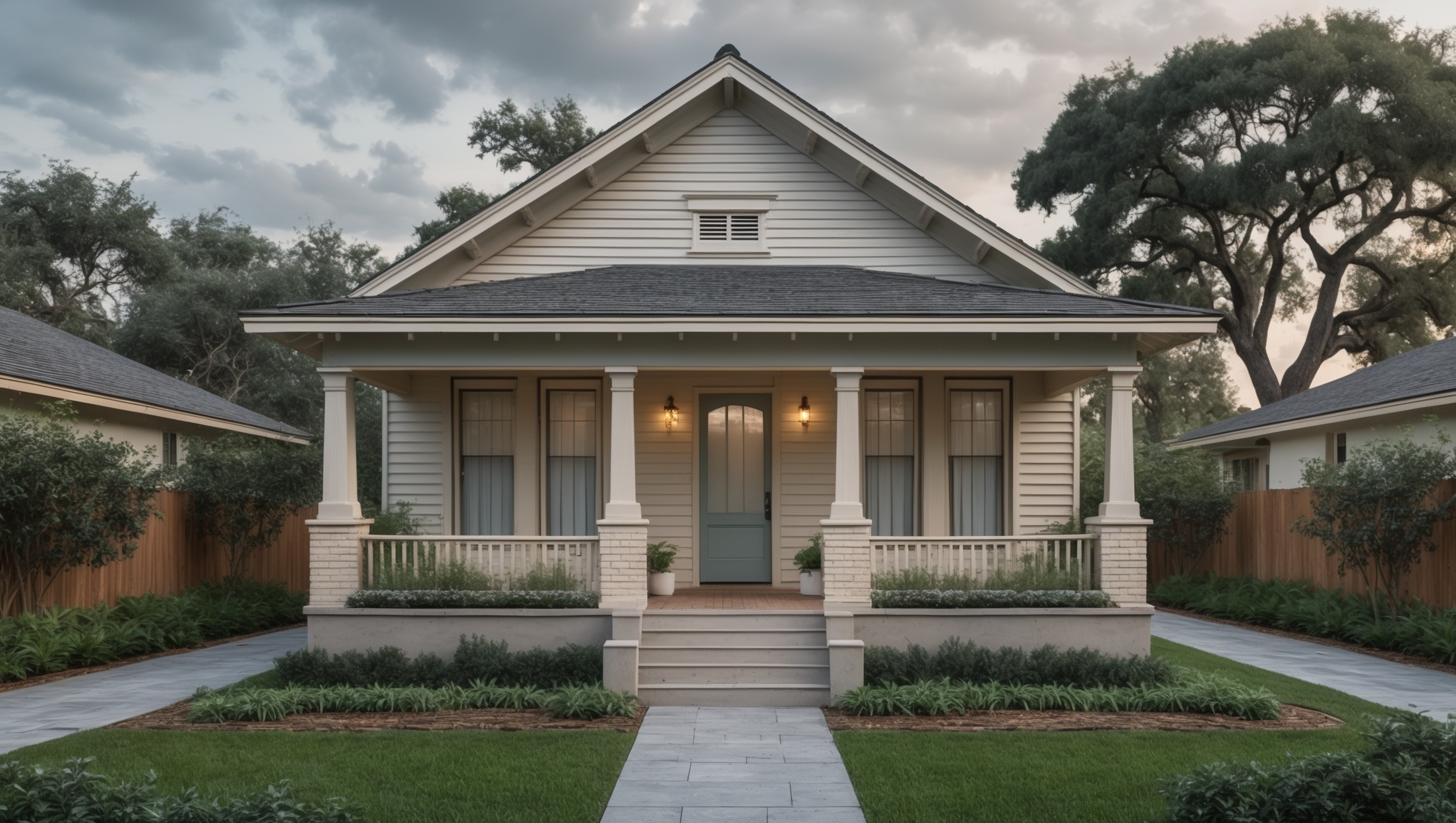
Introduction: Protecting the Charm and Value of Southeast Seminole Heights’ Historic Homes
Southeast Seminole Heights is renowned for its tree-lined streets and charming historic homes. However, while these properties boast character and curb appeal, they also face unique challenges—especially when it comes to standing up to Florida’s humid, storm-prone climate. Weatherproofing isn’t just about comfort; it’s a critical investment in your home’s longevity, energy efficiency, and preservation of architectural detail.
Many local homeowners are surprised to discover that even well-maintained historic houses can suffer from moisture damage, drafts, and weather intrusion. Unlike newer builds, these homes often feature original wood windows, elevated crawl spaces, and porous materials that require specialized protection. Weatherproofing must respect the home’s historic integrity while delivering modern performance. Whether you’re a longtime resident or a new homeowner eager to safeguard your investment, understanding local weather risks, compliance considerations, and practical solutions is essential.
This comprehensive guide explores proven strategies for weatherproofing historic homes in Southeast Seminole Heights. We’ll cover material selection, detailed cost insights, and the long-term benefits of targeted upgrades—so you can make informed decisions that preserve both your home’s beauty and its value for years to come.
Understanding Local Weather Risks and Their Impact on Historic Homes
Climate Patterns in Southeast Seminole Heights
The neighborhood’s subtropical climate delivers intense summer heat, heavy rainfall, and seasonal hurricanes. High humidity and salt-laden air can accelerate wood rot, paint failure, and metal corrosion. Sudden storms test the resilience of roofs, siding, and foundations, while daily temperature swings cause expansion and contraction in older building materials.
- Summer: Afternoon thunderstorms, high humidity, and risk of wind-driven rain.
- Fall: Hurricane season peaks, with potential for flooding and flying debris.
- Winter: Occasional cold snaps can expose drafty windows and uninsulated walls.
- Spring: Pollen and mold growth thrive in damp environments.
Vulnerable Features in Historic Properties
- Original Wood Windows: Prone to air leaks and water intrusion if not properly sealed.
- Raised Foundations: Exposed crawl spaces can attract moisture and pests.
- Porous Brick and Stucco: Absorb water, risking internal dampness and efflorescence.
- Historic Rooflines: May lack modern flashing and underlayment, increasing leak risk.
- Decorative Trim: Vulnerable to swelling, rot, and paint failure.
Assessment: Where to Start Your Weatherproofing Journey
Professional Inspection vs. DIY Assessment
Before investing in upgrades, conduct a thorough inspection. Many local contractors offer historic home weatherproofing audits, but handy homeowners can start with a DIY checklist:
- Check for visible gaps or cracks in siding, trim, and around windows/doors.
- Use a moisture meter on suspect woodwork and in crawl spaces.
- Inspect attic and crawl space for signs of water entry or mold.
- Test window and door seals with incense smoke or a thermal camera.
- Look for peeling paint, water stains, or rust on flashing and gutters.
Documenting and Prioritizing Issues
Take detailed notes and photos of all problem areas. Prioritize fixes that address active leaks or structural damage, followed by upgrades that improve efficiency and comfort. Record locations of historic features that must be preserved or restored using compliant materials and techniques.
Weatherproofing Solutions for Historic Homes: Local Strategies
1. Sealing and Caulking
Cracks and gaps are a primary source of water and air intrusion. For Southeast Seminole Heights’ climate, choose high-quality, paintable, exterior-grade caulk that remains flexible in heat and humidity. Focus on:
- Perimeter joints between siding and trim
- Window and door casings
- Transitions between different building materials (e.g., brick to wood)
Tip: Avoid using silicone on surfaces that will be painted; opt for polyurethane or acrylic-latex blends instead.
2. Weatherstripping Windows and Doors
Historic windows and doors often feature beautiful original hardware—but rarely provide a modern seal. Retrofitting with weatherstripping preserves their look while boosting performance. Options include:
- V-strip (tension seal): Discreet and effective for double-hung sash windows.
- Foam tape: Good for irregular gaps in attic doors or crawl space hatches.
- Door sweeps: Block drafts at exterior thresholds.
For best results, measure gaps carefully and choose materials rated for Florida’s temperature range and UV exposure.
3. Gutter and Drainage Upgrades
Clogged or undersized gutters are a major cause of wood rot and foundation damage. For historic homes, consider custom-fit aluminum or copper gutters that complement period details. Key upgrades:
- Install seamless gutters with adequate downspout capacity for heavy summer rains.
- Add gutter guards to reduce maintenance and prevent leaf buildup from local oak and palm trees.
- Extend downspouts at least 4 feet from the foundation or direct runoff to rain gardens.
- Check grading around the foundation to ensure water flows away from the house.
4. Painting and Surface Treatments
Proper paint and sealant selection is vital for long-term protection of wood siding, trim, and porches. For Southeast Seminole Heights:
- Use vapor-permeable primers and paints designed for humid climates.
- Repaint every 5–7 years, or sooner if signs of peeling or chalking appear.
- For masonry, apply a breathable water-repellent sealer, not a film-forming product that traps moisture.
Local paint suppliers often offer products tailored for historic restoration projects and can advise on period-appropriate colors as well.
5. Roof and Flashing Improvements
Older roofs may lack modern underlayment or functional flashing. Consider:
- Re-flashing chimneys, valleys, and dormers with corrosion-resistant metal.
- Replacing missing or damaged shingles/tiles with historically compatible materials.
- Adding a waterproof membrane beneath the roof deck, especially in hurricane-prone areas.
Hiring a roofer with historic restoration experience is critical to preserving architectural details and meeting local preservation guidelines.
6. Crawl Space Moisture Control
Raised foundations common in Southeast Seminole Heights are susceptible to ground moisture. Best practices include:
- Encapsulating the crawl space with a reinforced vapor barrier on the soil and walls.
- Installing vent fans or passive vents for airflow, as required by local code.
- Adding a dehumidifier if persistent dampness or mold is detected.
- Regularly inspecting for signs of termite or rodent activity.
Choosing Materials: Balancing Preservation and Performance
Local Material Sourcing and Compatibility
Using the wrong materials can damage historic fabric or void eligibility for preservation incentives. Southeast Seminole Heights has several suppliers specializing in period-appropriate wood, brick, and hardware. When possible, match species and profiles to original elements, especially for visible exterior upgrades.
For weatherproofing, look for:
- Wood: Cypress, heart pine, and cedar are rot-resistant and traditional to the area.
- Sealants and Caulks: Rated for high UV, rain, and humidity exposure.
- Paints: Low-VOC, vapor-permeable, and suited to the historic color palette.
- Roofing: Choose GAF, Owens Corning, or locally approved tile/shingle products for code compliance.
Preservation Guidelines and Permit Considerations
Many Southeast Seminole Heights homes fall under local historic preservation review. Before starting work:
- Contact the City of Tampa’s Historic Preservation Office for project requirements.
- Ensure chosen materials and installation methods comply with local and national guidelines (such as the Secretary of the Interior’s Standards).
- Obtain necessary permits for exterior work, especially if altering windows, siding, or rooflines.
Non-compliant updates may result in fines or mandatory restoration to original appearance, so always verify before proceeding.
Cost Breakdown: Budgeting for Weatherproofing Projects
Typical Costs in Southeast Seminole Heights
Weatherproofing costs vary widely based on home size, materials, and scope. Here’s a local estimate range for common projects:
- Full exterior caulking and sealing: $1,000 – $2,500
- Weatherstripping all windows and doors: $300 – $1,200
- Custom gutter installation (per 2,000 sq ft home): $2,500 – $5,000
- Exterior painting (labor and materials): $6,000 – $12,000
- Roof re-flashing and minor repairs: $1,500 – $4,000
- Crawl space encapsulation: $3,500 – $8,000
Budgeting Tips
- Start with critical repairs (active leaks, rot, or mold) before cosmetic upgrades.
- Request itemized quotes from contractors to compare labor and material charges.
- Ask about local grants or incentives for historic preservation and weatherproofing.
- Plan for ongoing maintenance (annual gutter cleaning, paint touch-ups) in your household budget.
Long-Term Benefits: Why Weatherproofing is Worth the Investment
1. Protecting Historic Value
Proactive weatherproofing maintains the original features that make Southeast Seminole Heights homes special. Preventing rot, mold, and insect damage safeguards your property’s historic character—and its market value.
2. Lowering Energy Bills
Sealing gaps, upgrading insulation, and controlling moisture help keep conditioned air inside and Florida’s heat and humidity outside. Many homeowners see energy savings of 10–30% after weatherproofing upgrades.
3. Reducing Maintenance and Repairs
Water intrusion is the leading cause of expensive repairs in older homes. Weatherproofing measures catch small issues before they escalate into major structural problems, saving money and stress over time.
4. Enhancing Comfort and Health
Eliminating drafts and moisture helps regulate indoor temperatures and prevents mold growth, promoting a healthier living environment for your family.
5. Building Community Resilience
Well-maintained homes contribute to the neighborhood’s curb appeal and disaster resilience, helping Southeast Seminole Heights remain a desirable, vibrant place to live.
Frequently Asked Questions: Weatherproofing in Southeast Seminole Heights
Do I need special permits to weatherproof my historic home?
Minor maintenance, like caulking or painting, often does not require a permit, but exterior changes to windows, doors, or roofing typically do. Always check with the City of Tampa’s Historic Preservation Office before starting work.
Can I use modern materials on my historic home?
Some modern materials are allowed if they closely match the original in appearance and performance. Always prioritize repair over replacement and consult preservation guidelines before making material changes.
What is the best time of year to schedule weatherproofing work?
Late winter or early spring is ideal, as humidity is lower and hurricane season has not yet begun. Book contractors early, as demand spikes before summer storms.
Conclusion: Your Next Steps Toward a Weatherproof, Historic Home
Weatherproofing a historic home in Southeast Seminole Heights is not just a routine chore—it’s a vital stewardship responsibility that preserves the neighborhood’s unique charm and your property’s value. By addressing vulnerabilities with targeted, locally informed strategies, you safeguard your investment against Florida’s unpredictable weather and ensure your home stands strong for generations.
Start by assessing your home’s current condition, documenting areas of concern, and prioritizing repairs that mitigate active issues. When choosing materials and contractors, lean on local suppliers with historic expertise and always verify compliance with preservation standards and permit requirements. While some upgrades may require upfront investment, the payoff is substantial: reduced energy bills, lower long-term maintenance costs, enhanced comfort, and the satisfaction of protecting a piece of local history.
Remember, every weatherproofing improvement—no matter how small—contributes to the resilience and beauty of Southeast Seminole Heights. By taking a proactive approach today, you’re investing in a home and a community that will thrive through every season. For tailored recommendations and local contractor referrals, connect with the neighborhood’s preservation organizations or the City of Tampa’s Historic Preservation Office. Your historic home is more than a structure; it’s an enduring legacy worth protecting.