
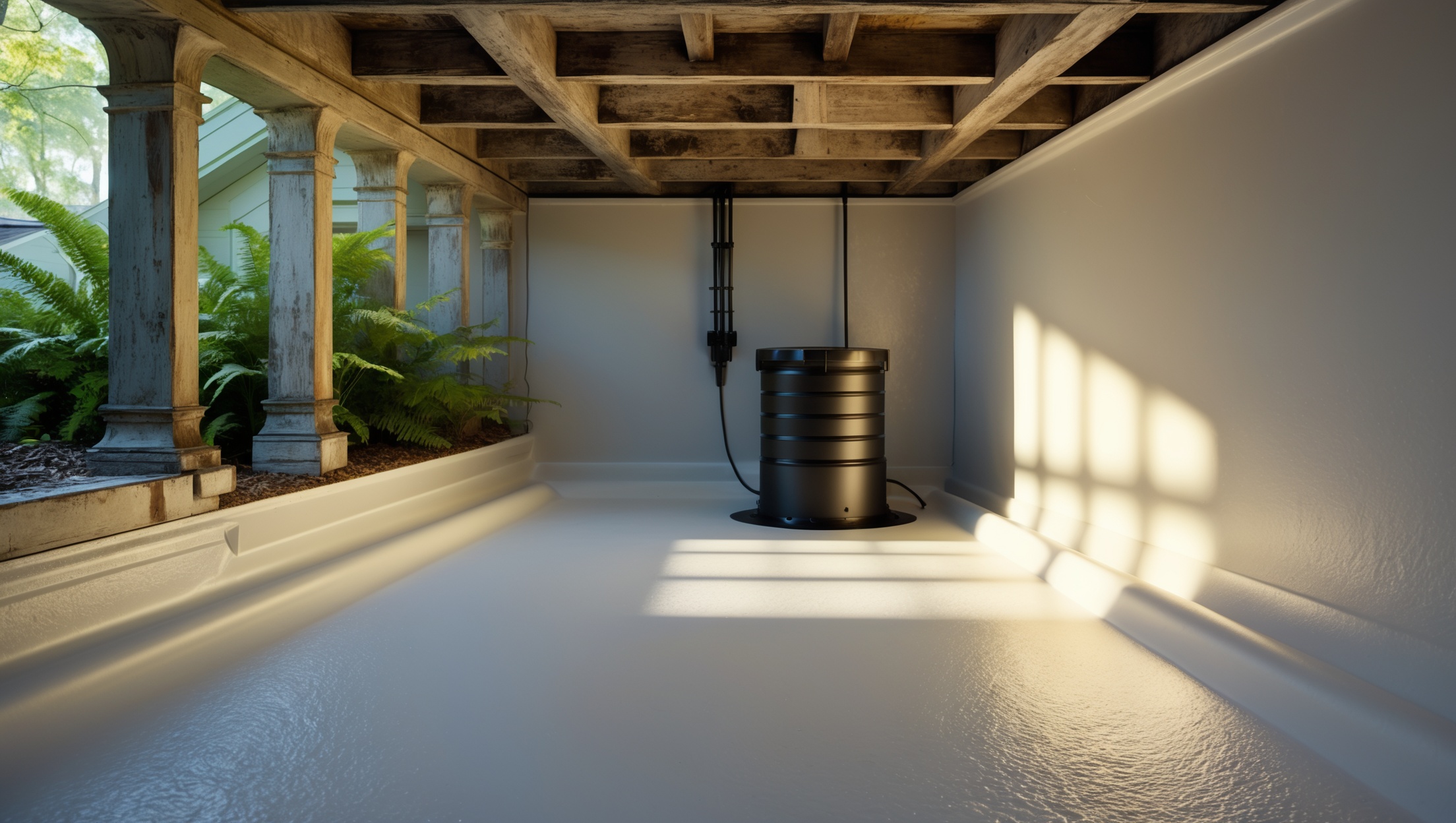
Introduction: Why Waterproofing Crawl Spaces Matters in Southeast Seminole Heights
Southeast Seminole Heights is known for its charming historic homes, vibrant community, and unique Florida climate. But beneath many of these beautiful houses lies a hidden vulnerability: the crawl space. In a region where heavy rain, high humidity, and periodic flooding are realities, unprotected crawl spaces can quickly become a source of structural headaches, health risks, and even lost property value. Mold growth, rotting joists, musty odors, and pest invasions often begin in the damp, dark recesses under your floorboards.
Waterproofing your crawl space is not just a matter of comfort—it’s about preserving your home’s integrity and ensuring a healthy living environment. This comprehensive guide takes a deep dive into local crawl space waterproofing for Southeast Seminole Heights homeowners. We’ll cover the most effective waterproofing solutions tailored to our area’s climate, break down realistic costs, explain material choices, and share vital maintenance strategies. Whether you’re facing a persistent moisture problem or planning proactive improvements, you’ll find clear, actionable advice for turning your crawl space from a liability into an asset.
Understanding the Crawl Space Challenge in Our Neighborhood
The Southeast Seminole Heights Climate Factor
Our subtropical climate brings intense rainstorms, high humidity, and the occasional hurricane. Historic homes often have low-clearance crawl spaces with limited ventilation, and perimeter drainage can be suboptimal due to age or landscaping changes over time. This combination increases the risk of moisture infiltration and lingering dampness.
- Rainfall: Tampa averages over 50 inches of rain annually, with summer downpours causing ground saturation.
- Flood Risk: Proximity to the Hillsborough River means some lots experience periodic flooding or high water tables.
- Humidity: Year-round humidity encourages mold and mildew growth, especially in poorly sealed spaces.
Common Local Crawl Space Issues
- Mold and Wood Rot: Persistent moisture enables fungal growth, compromising joists and subfloors.
- Pest Intrusion: Damp wood attracts termites, ants, and rodents seeking shelter.
- Musty Odors: Moisture fosters odors that seep up into living areas.
- Allergen Spread: Mold spores and dust mites can worsen allergies and respiratory issues.
Step-by-Step Crawl Space Waterproofing Solutions for Southeast Seminole Heights
1. Assessing the Problem: Inspection and Moisture Mapping
Start with a thorough inspection. Look for standing water, condensation on pipes, visible mold, and soft or rotting wood. Use a moisture meter to check joists and subfloor moisture levels. Pay attention to signs of pest activity and any musty odors. Map out where water is entering—common culprits include foundation vents, pipe penetrations, and gaps in the crawl space wall.
2. Improving Exterior Drainage
- Gutter Maintenance: Ensure gutters and downspouts direct water at least 6 feet away from the foundation.
- Grading: Re-grade soil so that it slopes away from the house, preventing water pooling near crawl space vents or walls.
- French Drains: Install perimeter French drains if the yard is prone to flooding or if you notice persistent pooling after storms.
3. Interior Crawl Space Solutions
- Vapor Barrier Installation: Lay a 12-20 mil polyethylene vapor barrier across the entire floor, overlapping seams by at least 12 inches. Secure it to walls and piers using mechanical fasteners and tape.
- Sealing Foundation Vents and Gaps: Use foam insulation or caulk to seal cracks, pipe penetrations, and old vent openings (unless venting is required by local code).
- Sump Pump Installation: For crawl spaces with chronic flooding, install a sump pit with a reliable, battery-backed-up sump pump. Route discharge lines at least 10 feet from the foundation.
- Insulating Walls: Use rigid foam board or closed-cell spray foam approved for below-grade use. Insulate crawl space walls rather than the subfloor for better humidity control.
- Dehumidification: In highly humid conditions, consider a crawl space-rated dehumidifier. Choose a model with an automatic drain to the sump or exterior.
4. Choosing Local Materials and Contractors
Opt for vapor barriers rated for high humidity and resistant to tears, such as reinforced polyethylene. For sump pumps, select corrosion-resistant models suitable for Florida groundwater. Many local contractors specialize in crawl space encapsulation—ask for references from Southeast Seminole Heights homeowners and verify licensing and insurance.
Cost Breakdown: What Southeast Seminole Heights Homeowners Can Expect
Material Costs
- Vapor Barrier: $0.50–$1.00 per square foot (material only)
- Sump Pump System: $500–$1,200 (basic to high-end, with battery backup)
- Dehumidifier: $800–$1,500 (crawl space-rated, with automatic drain)
- Rigid Foam Insulation: $1.00–$2.50 per square foot
Labor Costs
- Professional Encapsulation: $5,000–$12,000 for a typical Southeast Seminole Heights home, depending on crawl space size, prep work, and material choices.
- DIY Savings: Homeowners with moderate DIY skills may install vapor barriers for $1,000–$2,500 in materials, but sump pump and electrical work should be left to licensed professionals.
Permit and Inspection Fees
Some waterproofing work (such as sump pump installation or structural repairs) may require permits from the City of Tampa. Fees range from $75–$300 depending on scope. Always check before you start.
Maintenance Best Practices for Lasting Results
Annual Inspections
- Check the vapor barrier for rips, displacement, or evidence of water pooling.
- Test the sump pump and backup battery before rainy season.
- Inspect for new cracks or settling in foundation walls.
- Look for signs of new pest or mold activity.
Seasonal Tasks
- Clear gutters and downspouts every spring and fall.
- Re-grade soil if you notice water pooling after storms.
- Monitor humidity with a crawl space hygrometer—target below 60%.
When to Call a Professional
- Persistent standing water despite drainage improvements.
- Major foundation cracks or structural movement.
- Extensive mold growth or rot affecting joists/subfloor.
Local Considerations: Permits, Compliance, and Environmental Factors
Permitting and Code Compliance
The City of Tampa may require permits for sump pump installation, structural repairs, or significant encapsulation work. Work with contractors familiar with local codes, especially regarding vapor barrier fire ratings, floodplain regulations, and ventilation requirements for historic homes.
Historic Home Challenges
Many Southeast Seminole Heights homes are over 70 years old, with brick or block foundations and limited access crawl spaces. Some may contain asbestos insulation or lead paint—take appropriate safety precautions and consult with remediation professionals if you encounter suspect materials.
Floodplain and Environmental Impact
If your property is within a designated floodplain, additional waterproofing measures and documentation may be required. Check FEMA maps and consult with your insurance provider before starting major projects.
Case Study: A Crawl Space Transformation on East Giddens Avenue
In early 2023, a Southeast Seminole Heights homeowner on East Giddens Avenue noticed musty odors and persistent allergies. A crawl space inspection revealed standing water after heavy rains, extensive mold on joists, and several termite entry points. Here’s how they tackled the issue:
- Exterior grading was corrected to slope away from the foundation, and downspouts were extended 8 feet.
- A vapor barrier was installed wall-to-wall, with seams sealed and piers wrapped.
- A sump pump with a battery backup was added to handle heavy rains.
- Joists were treated for mold and minor rot repairs made.
- A crawl space dehumidifier keeps humidity below 55% year-round.
Since the project, the home has remained dry—even during summer storms—mold odors have disappeared, and heating/cooling bills dropped by 10%. The homeowner reports improved air quality and peace of mind, knowing their foundation is protected.
Frequently Asked Questions About Crawl Space Waterproofing
Can I waterproof my crawl space myself?
DIY installation of vapor barriers and minor drainage improvements is possible for handy homeowners. However, sump pump installation, electrical work, and mold remediation should be left to professionals for safety and code compliance.
Is a vapor barrier alone enough?
In most Southeast Seminole Heights homes, a vapor barrier is essential, but not always sufficient. Combine with drainage improvements, sump pumps, and dehumidification for best results—especially if your crawl space has a history of flooding.
How often should I inspect my crawl space?
Inspect at least once a year, and after any major storms or flooding events. Routine checks will help you catch issues before they become costly repairs.
Conclusion: Protecting Your Home from the Ground Up
Waterproofing your crawl space is one of the most impactful investments you can make in a Southeast Seminole Heights home. With our area’s challenging climate, proactive protection against water and humidity pays off in fewer repairs, better air quality, lower utility bills, and a healthier living environment. While the upfront cost can seem significant, the long-term savings and peace of mind far outweigh the expense—especially in historic homes where foundation stability and preservation are paramount.
Start by assessing your crawl space, then take action with the recommended solutions: address drainage, install a quality vapor barrier, consider a sump pump and dehumidifier, and use materials suited to our local conditions. Don’t forget regular inspections and maintenance—these are key to ensuring your waterproofing investment stands the test of time. If you’re unsure where to begin or face extensive moisture issues, consult with a reputable local contractor experienced in the unique challenges of Southeast Seminole Heights homes.
Your home’s comfort, safety, and value start from the ground up. By taking crawl space waterproofing seriously, you’re not just fixing a hidden problem—you’re building a stronger foundation for your family’s future in our beloved neighborhood.
With all the rain and humidity we get in Southeast Seminole Heights, how often should we expect to do maintenance on our crawl space once it’s been waterproofed?
After waterproofing your crawl space in Southeast Seminole Heights, it’s a good idea to perform maintenance checks at least once a year. However, if you notice heavy rain or humidity, consider inspecting for moisture or leaks more frequently to catch any issues early and ensure your waterproofing stays effective.